Stop 2026 Lawn Fungus with This Mowing Hack
The Forensic Autopsy of a Fungal Meltdown
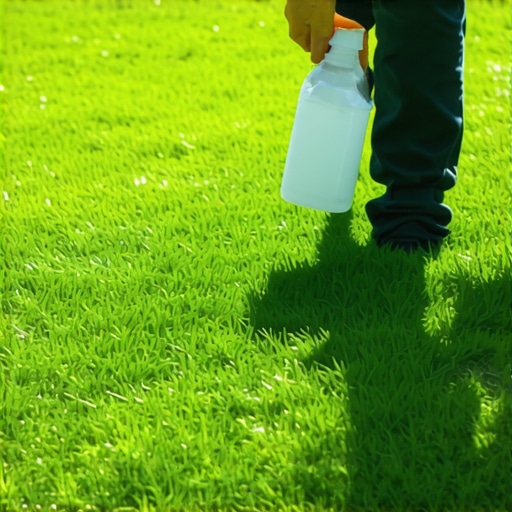
The first sign is usually a subtle, olive-drab discoloration that most homeowners mistake for simple drought stress. But when you step on it, the turf doesn’t bounce back; it feels greasy, almost slimy under the boot. This is not a water issue. This is a microbial invasion. I have seen 10,000 square feet of prime Kentucky Bluegrass turn into a brown, rotting mat in less than 72 hours because the owner ignored the micro-climate forming at the soil level. In my twenty years of hardscaping and lawn care, I have walked onto hundreds of properties where the owner thought they could ‘fertilize’ their way out of a fungal outbreak. One specific case comes to mind: A homeowner called me in a panic after they completely torched their front lawn by applying a high-nitrogen ‘turf builder’ during a humid July week. They didn’t realize they were essentially feeding a petri dish. The nitrogen-forced succulent growth was soft and weak, making it the perfect host for Rhizoctonia solani, commonly known as Brown Patch. By the time I arrived, the mycelium was visible as a white, cobweb-like structure in the morning dew. We had to strip the top three inches of soil and start over. It was a $12,000 mistake that could have been avoided with a simple change in mowing habits. This article will diagnose the structural and biological failures that lead to these outbreaks and provide the technical ‘mowing hack’ that stops fungus before it takes hold in 2026.
The Biological Cost of Dull Mower Blades
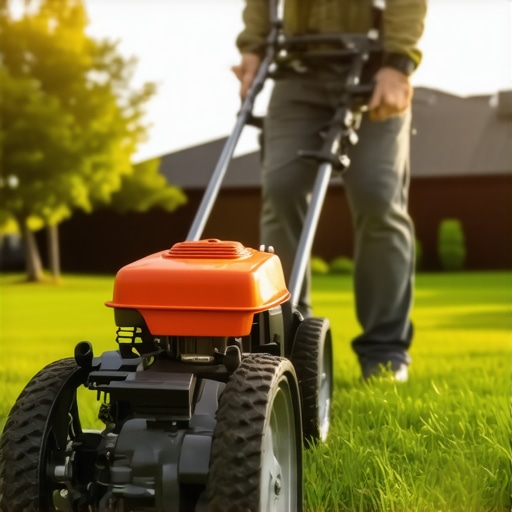
Dull mower blades shred grass tissue instead of cutting it cleanly, creating a jagged wound that increases surface area for fungal pathogens like Brown Patch and Dollar Spot. When a blade is dull, it hacks through the vascular bundle of the grass, causing the plant to lose significant amounts of moisture and energy as it tries to seal the wound. This mechanical stress is the primary entry point for disease. In a professional landscaping environment, we measure blade sharpness by the clean nature of the cell wall rupture. A clean cut seals in hours; a shred stays open for days. [image placeholder]
“A lawn mower blade should be sharpened every 10 to 12 hours of use to maintain a clean cut that minimizes plant stress and disease entry points.” – Penn State Department of Plant Science
How often should I sharpen my lawn mower blades to prevent fungus?
To prevent fungal spread, you must sharpen your blades every 10 to 15 hours of operation or at least three times per growing season for a standard residential lot. A sharp blade ensures a clean transverse cut across the leaf blade, which allows the plant to form a rapid callus, effectively locking out airborne fungal spores that thrive on the exudates of shredded grass tissue.
The Mowing Hack: The 1/3 Rule and Hygiene Protocol
The most effective ‘hack’ to stop 2026 lawn fungus is the implementation of the One-Third Rule combined with a strict Deck Hygiene Protocol. Never remove more than one-third of the grass blade height in a single mowing event. If your grass is 4 inches tall, do not cut it below 2.7 inches. Removing too much leaf tissue at once shocks the plant and forces it to draw energy from the roots, weakening the entire system against soil-borne pathogens. Furthermore, if you suspect fungus is present, you must wash the underside of your mower deck with a 10 percent bleach solution after each use. Fungal spores are microscopic hitchhikers; they cling to the dried grass clippings stuck to your mower deck and ride them to the next healthy patch of turf. If you mow an infected area and then move to a clean area without disinfecting, you are the primary vector of the disease. Stop being the delivery driver for Pythium.
What is the best mowing height for fungal resistance?
The optimal mowing height for fungal resistance in most cool-season grasses is 3.5 to 4 inches. Higher mowing heights promote deeper root systems and create a more resilient canopy that can shade the soil, keeping it cooler and less hospitable to the heat-loving fungi that cause summer patch and brown patch. Higher grass also has more surface area for photosynthesis, allowing the plant to recover faster from minor infections.
Technical Material Comparison: Blade Impact
| Blade Condition | Cut Quality | Recovery Time | Fungal Risk |
|---|---|---|---|
| Razor Sharp | Clean Cell Shearing | 4 – 6 Hours | Low |
| Standard Dull | Fiber Shredding | 24 – 48 Hours | Moderate |
| Chipped/Damaged | Tissue Tearing | 72+ Hours | High |
As indicated in the table above, the recovery window for the plant is directly proportional to the sharpness of the equipment. In the world of high-end landscaping, we treat the mower blade like a surgical instrument. If the blade is not sharp enough to shave with, it is not sharp enough for a professional lawn. This is the difference between garden design that lasts and a yard that requires constant chemical intervention.
The 2026 Fungal Prevention Checklist
- Inspect for Guttation: Check for moisture beads on the leaf tips in the morning. If they persist past 9:00 AM, your canopy is too dense.
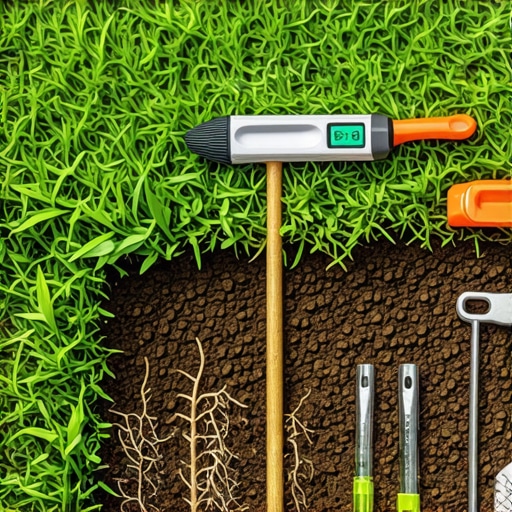
- Monitor Soil pH: Fungi thrive in acidic environments. Maintain a soil pH between 6.2 and 7.0 to promote beneficial microbial activity.
- Core Aeration: Reduce thatch layers to under 0.5 inches. Thatch is the primary incubator for fungal spores.
- Blade Calibration: Balance your blades after sharpening to prevent vibration that leads to uneven, stressful cuts.
- Irrigation Timing: Only water between 4:00 AM and 8:00 AM. Night watering is an open invitation for fungal colonization.
“Increasing the mowing height during periods of environmental stress can significantly reduce the incidence of certain turfgrass diseases by improving the plant’s overall vigor.” – Texas A&M AgriLife Extension
Soil Compaction and Hydrostatic Pressure
In hardscaping, we talk about hydrostatic pressure behind retaining walls; in lawn care, we talk about soil compaction and oxygen exchange. If your soil is compacted, water sits in the root zone, creating an anaerobic environment. Fungi like Pythium love water-logged, low-oxygen soils. If your lawn feels like concrete, no amount of ‘mowing hacks’ will save you. You need to address the drainage and compaction issues first. This is where landscaping meets civil engineering. Use a 3-inch core aerator to pull plugs and allow the soil to breathe. If you don’t fix the soil grading and drainage, every plant you put in the ground is just expensive compost. I have seen million-dollar garden designs fail because the contractor didn’t understand the flow of water across the site. Don’t let your lawn be the next victim of poor engineering.