Stop 2026 Aphid Infestations with This $5 Soap Spray
The Sticky Reality of Phloem-Sucking Parasites
An aphid infestation is a metabolic tax on your garden that manifests as distorted foliage, stunted growth, and a sticky residue known as honeydew. To stop 2026 aphid populations, you must utilize potassium salts of fatty acids (insecticidal soap) to disrupt the insect’s cellular membrane on contact, providing a low-toxicity, high-efficiency solution for garden design and landscaping maintenance. It is simple. It is cheap. It works.
I recently walked onto a property where a homeowner had panicked. They saw a few aphids on their prize-winning roses and decided to carpet-bomb the entire yard with a broad-spectrum pyrethroid they bought at a big-box store. It was a chemical nightmare. Within three weeks, the aphids weren’t just back; they were everywhere. By killing every living thing in that garden, they had wiped out the lacewings and ladybugs—the natural militia that keeps pests in check. The soil biology was shot, and the plants looked like they had been through a dehydrator. I had to explain that they had effectively put their garden on a life-support system of synthetic inputs because they didn’t understand the fundamental biology of a soft-bodied insect.
Why Aphids Target Your Landscape
Aphids are essentially microscopic biological pumps. They insert their stylets into the plant’s phloem to tap into the sap pressure. If you over-fertilize with high-nitrogen synthetic fertilizers, you create a surge of tender, succulent growth. This is like ringing a dinner bell for aphids. They don’t just eat; they reproduce at a rate that defies logic. A single female can produce eighty offspring in a week without even needing a mate. This is why a small oversight in lawn care or garden design can become a systemic failure by mid-summer.
“Insecticidal soaps are most effective against soft-bodied insects like aphids, mites, and whiteflies by penetrating their outer shell and causing the cells to leak, leading to rapid dehydration and death.” – University of California Agriculture and Natural Resources (UCANR)
The Forensic Breakdown: Why $5 Soap Beats $50 Chemicals
The engineering of a soap spray is based on lipid disruption. You aren’t poisoning the insect; you are mechanically destroying its ability to retain moisture. Most commercial ‘pesticides’ are neurotoxins that the aphids are increasingly developing resistance to. Soap doesn’t have that problem. If the fatty acids touch the aphid, the aphid dies. It is a physical certainty. You don’t need fancy labs. You need a spray bottle and the right concentration.
| Feature | DIY Insecticidal Soap | Broad-Spectrum Synthetic |
|---|---|---|
| Cost per Gallon | Under $5.00 | $45.00 – $85.00 |
| Residual Toxicity | Zero (Biodegradable) | High (Weeks/Months) |
| Impact on Bees | Minimal (If applied at dusk) | Severe/Lethal |
| Mechanism | Cellular Membrane Disruption | Neurotoxic Attack |
The $5 Soap Spray Formula
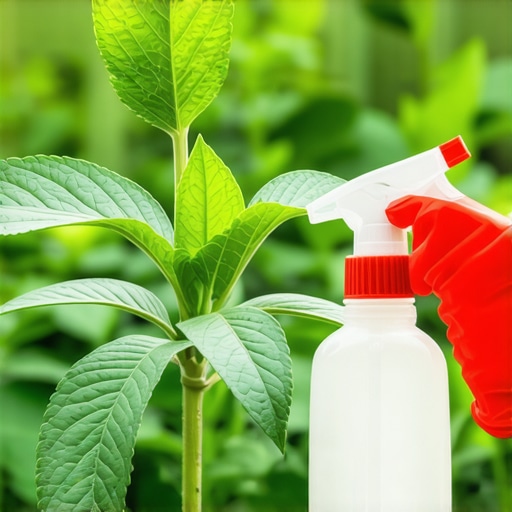
To build this solution, mix 1 tablespoon of liquid castile soap (must be pure soap, not detergent) per quart of distilled water. Do not use dish soaps containing degreasers or fragrances. These are detergents, not soaps, and they will strip the protective waxy cuticle off your plant leaves, leading to phytotoxicity. Your plants will burn. Stick to the chemistry.
How much modified gravel do I need for a patio base?
While discussing hardscaping, remember that drainage impacts plant health. For a standard patio, you need a minimum of 4 to 6 inches of compacted 21A or 3/4-inch modified gravel. If the soil beneath is heavy clay, you must increase this depth to ensure water doesn’t pool and create the high-humidity microclimates where aphids thrive in the overhanging canopy.
The Application Protocol: Don’t Scalp the Leaves
Timing is everything. Never spray in the heat of the day or in direct sunlight. The water in the spray acts like a magnifying glass, and the soap increases the risk of leaf scorch. Spray at dusk. Ensure you hit the undersides of the leaves. That is where the colonies hide. If you don’t hit them, you didn’t kill them. It is that simple.
“Effective pest management in the landscape begins with the soil; high-nitrogen environments decrease a plant’s natural resistance to piercing-sucking insects.” – Penn State Extension
How often should I spray soapy water on plants for aphids?
You should apply the soap spray every 4 to 7 days until the infestation is gone. Because soap has no residual effect, it only kills the insects present at the time of spraying. You are looking for total coverage. Check the leaf axils. Check the new buds. Be methodical. If you see ants, you have a bigger problem. Ants ‘farm’ aphids for their honeydew and will actually protect them from predators. You have to break the ant trails if you want the soap to be effective long-term.
Biological Integrity Checklist
- Verify the insect is actually an aphid (look for cornicles or ‘exhaust pipes’ on the rear).
- Check the undersides of leaves where 90% of the population resides.
- Test a single leaf 24 hours before full application to check for phytotoxicity.
- Use distilled or soft water; hard water minerals can cause the soap to precipitate out.
- Avoid spraying during bloom periods to protect visiting pollinators.
Integration with Garden Design
Your garden design should include ‘banker plants’ like Alyssum or Dill. These attract hoverflies and parasitic wasps. These insects are the real pros. They will do 80% of the work for you. The soap spray is your tactical intervention for the remaining 20%. In my years of landscaping, I’ve found that the best-looking yards aren’t the ones with the most chemicals; they are the ones with the most balanced ecosystems. Don’t be a hack. Work with the biology, not against it. It costs less. It looks better. It lasts longer.