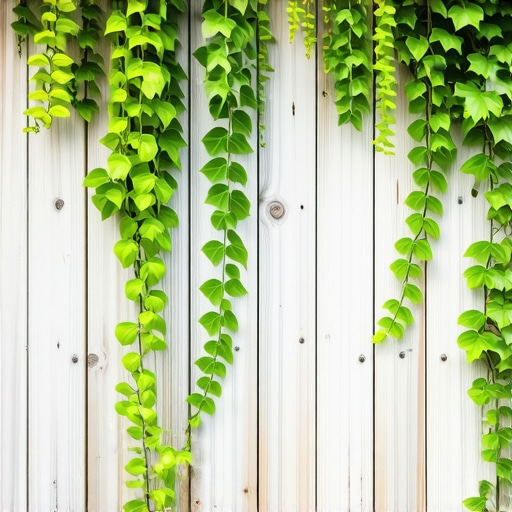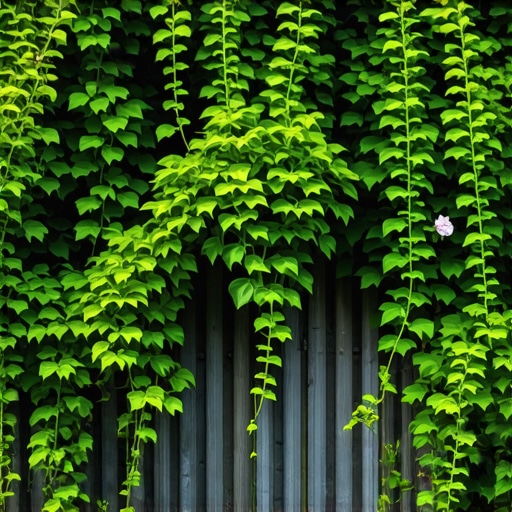
5 Fast-Growing Vines for Immediate Backyard Privacy
The Engineering of Vertical Privacy: Site Analysis and Soil Mechanics
Soil physics and grading determine the long-term viability of fast-growing vines by regulating water infiltration and gas exchange in the root zone, preventing the root rot common in amateur installations. I always drill into my new crew members: if you don’t fix the soil grading first, every plant you put in the ground is just expensive compost. I have seen too many rookies slap a Clematis into a hole filled with construction debris and wonder why it wilts in July. It is about the soil biology, not the tag on the pot. Most homeowners ignore the bulk density of their soil. If your soil is compacted from years of foot traffic or construction equipment, those vine roots will hit a wall. You need to assess the Cation Exchange Capacity (CEC) of your dirt before you even think about buying a trellis. A high CEC means your soil can hold onto the nutrients these fast-growers crave. If you are dealing with heavy clay, you are looking at a drainage nightmare. Water will sit around those roots like a bathtub, cutting off oxygen and inviting fungal pathogens. You must amend with expanded shale or high-quality compost to create macro-pores. Don’t skip the percolation test. Dig a hole, fill it with water, and see how fast it drains. If it is still standing after four hours, you have a drainage problem that a fancy plant won’t fix. You might need a French drain or a modified gravel base to move that water away from the root flare. Root flares are the most misunderstood part of the plant. If you bury it, the tree or vine will suffocate. Period.
“The successful establishment of woody vines is contingent upon the preservation of the root flare and the prevention of girdling roots during the initial transplant phase.” – USDA Forest Service Technical Manual
Wisteria sinensis: The High-Tensile Privacy Screen
Wisteria sinensis provides rapid vertical coverage through its vigorous twining habit, capable of covering 20 to 30 feet in a single season once established in well-drained, acidic soil. This is not a plant for a flimsy plastic trellis from a big-box store. Wisteria is a biological machine of pure torque. As the trunk matures, it can literally crush wood or collapse a weak fence. You need 4×4 pressure-treated posts anchored in concrete. The twining action is clockwise, a result of circumnutation, where the growing tip of the plant rotates as it searches for a support. If you don’t give it a heavy-duty structure, it will find your gutters or your shingles and rip them off. You must perform thinning cuts twice a year. In July, cut back the long, green shoots to six inches. In January, cut those same shoots back to two or three buds. This forces the plant’s energy into flower spurs and dense leaf production rather than just leggy growth. Nitrogen levels must be managed carefully. Too much nitrogen and you get all leaves and no flowers. I recommend a low-nitrogen, high-phosphorus fertilizer applied in early spring. Keep an eye out for Wisteria scale and leaf spots. These pests can weaken the plant’s structural integrity over time. If you see signs of borer activity in the main trunk, the plant is likely stressed from poor water management. Deep, infrequent watering is the key. You want to force those roots down 18 inches into the subsoil, not keep them at the surface where they will dry out in a heatwave.
Clematis armandii: The Evergreen Structural Barrier
Clematis armandii serves as an effective evergreen screen in USDA zones 7-9, utilizing its petioles to climb and providing dense, year-round foliage density that deciduous vines cannot match. This vine is a petiole climber, meaning it uses its leaf stalks to wrap around thin supports like wire or lattice. It won’t climb a flat wall on its own. You need a wire grid or a mesh system. The biggest mistake people make with Clematis is “Clematis Wilt.” This is a fungal infection that causes the vine to collapse overnight. It usually happens because the base of the plant is too hot. You need to keep the feet cool and the head in the sun. Use a heavy layer of mulch or plant low-growing perennials at the base to shade the soil. Don’t use cheap dyed mulch; use a double-shredded hardwood that will actually break down and feed the soil microbes. Clematis armandii is a Group 1 pruner. This means you prune it immediately after it blooms in the spring. If you wait until winter, you are cutting off next year’s flowers. Look for the node where the leaf meets the stem. That is where your new growth will emerge. If the vine gets too woody and bare at the bottom, you can do a rejuvenation cut, but only on a healthy, established plant. Soil pH is critical here. Clematis prefers a neutral to slightly alkaline soil. If your soil is acidic, you need to add lime. Use a soil probe to check the pH at the 6-inch and 12-inch levels. Don’t guess. Test.
Lonicera sempervirens: The Avian-Friendly Privacy Solution
Lonicera sempervirens offers a non-invasive alternative for privacy, utilizing twining stems to reach heights of 15 feet while supporting local pollinators without the structural damage associated with invasive species like Japanese Honeysuckle. This is a native powerhouse. It is much more manageable than Wisteria but still provides excellent screening. It is a twiner, so it needs a vertical support to wrap around. It is particularly effective on chain-link fences or wrought iron railings. The foliage is blue-green and semi-evergreen in warmer climates. From a maintenance perspective, it is low-impact. You don’t have the massive weight issues of Wisteria. However, you still need to watch for aphids. These sucking insects will congregate on the new growth and cause leaf curling. I don’t use harsh chemicals. A strong blast of water or an insecticidal soap usually does the trick. You want to keep the beneficial insects, like ladybugs and lacewings, in your garden ecosystem. Soil-wise, this vine is adaptable but performs best in loamy soil with a high organic content. If you are planting in a new construction site, you likely have no topsoil left. You need to rebuild that soil profile. Incorporate leaf mold and aged manure into the planting hole. Make the hole three times as wide as the root ball but no deeper. We want lateral root expansion. If the roots just circle the pot, you will end up with a girdled plant that dies in three years. Score the sides of the root ball before you put it in the ground. Break those circular patterns.
Hydrangea anomala subsp. petiolaris: The Heavyweight Shade Specialist
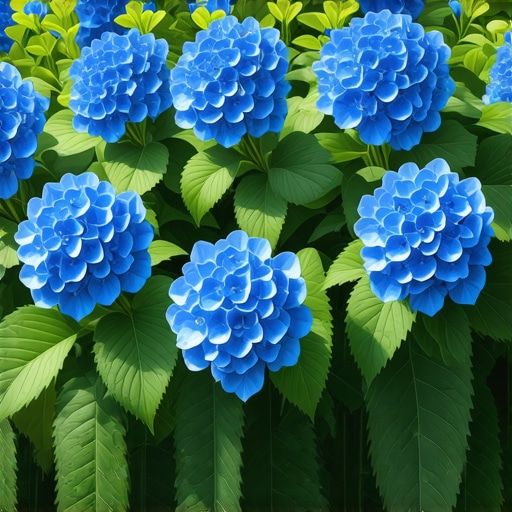
Hydrangea anomala subsp. petiolaris is a self-clinging vine that excels in shaded environments, using adventitious rootlets to adhere to masonry and wood surfaces for permanent privacy. This is a slow starter. For the first two or three years, it will just sit there. Don’t get impatient and over-fertilize. It is building a massive root system. Once it takes off, it is a monster. Because it uses adventitious roots, it can actually damage wood siding if you ever try to pull it off. It is best suited for brick or stone walls where it can grip the texture of the masonry. From an engineering standpoint, you need to be careful with the weight. A mature climbing hydrangea can be four inches thick and weigh hundreds of pounds. It can pull the mortar right out of an old, crumbling chimney. If your masonry is pre-1930s, the lime-based mortar might not be strong enough to support the vine’s weight. For new builds, it is a great choice. It needs consistent moisture. It will not tolerate drought. Use a drip irrigation system with 1.0 gallon-per-hour emitters placed 12 inches apart. This ensures the water reaches the entire root zone without splashing the foliage, which can lead to mildew issues. Pruning should be done in late summer after the lacecap flowers have faded. Focus on removing dead or crossing branches to improve airflow through the center of the vine.
Technical Installation and Load-Bearing Support Systems
Professional landscape design requires a deep understanding of load-bearing mechanics to ensure that vertical privacy structures do not fail under the combined weight of mature foliage and environmental stressors like wind or snow. You cannot just staple a vine to a fence and call it a day. You have to account for the “sail effect.” A dense vine acts like a sail in high winds. If your fence posts aren’t deep enough, the whole thing will blow over in a thunderstorm. Posts should be buried at least one-third of their total height, with a flared concrete base to resist frost heave. In colder climates, if you don’t get below the frost line, your trellis will dance around every spring, snapping the roots of your vines. Use galvanized steel cable for long runs. It doesn’t stretch like nylon or rot like hemp. For Wisteria and other heavy twiners, use 1/8 inch or 3/16 inch aircraft cable with turnbuckles to maintain tension. Check the tension every spring. As the wood of the vine grows, it will naturally tighten the cable. If it gets too tight, it will cut into the plant or pull the anchors out of the wall.
“Structural failure in vertical gardening often stems from underestimating the wet weight of mature vines, which can exceed several hundred pounds per linear foot.” – Landscape Engineering Standards
Vine Performance Comparison Matrix
| Plant Species | Growth Velocity | Support Type | Light Needs | Weight Class |
|---|---|---|---|---|
| Wisteria sinensis | Extreme (20ft+) | Heavy Timber | Full Sun | Heavyweight |
| Clematis armandii | Fast (10ft+) | Wire Mesh | Sun/Partial Shade | Medium |
| Lonicera sempervirens | Moderate (6ft+) | Trellis/Fence | Full Sun | Lightweight |
| Hydrangea petiolaris | Slow Initial/Fast Later | Self-Clinging | Shade/Partial Sun | Heavyweight |
| Trachelospermum | Moderate (5ft+) | Wire/Lattice | Sun/Shade | Medium |
The 10-Point Privacy Installation Protocol
- Perform a 4-hour percolation test to ensure drainage.
- Test soil pH and Cation Exchange Capacity.
- Decompact soil in a 5-foot radius around the planting site.
- Install load-rated support structures (Posts/Cables).
- Inspect root systems for girdling or circling roots.
- Score root balls to encourage lateral growth.
- Set plant height to ensure the root flare is 1 inch above grade.
- Apply 3 inches of hardwood mulch, keeping it 4 inches away from the stem.
- Install drip irrigation with a dedicated timer.
- Execute initial structural pruning to direct growth.
How much modified gravel do I need for a drainage base?
To calculate the required volume of modified gravel for a vine’s drainage base, multiply the length by the width by the depth of the excavated area (in feet) and divide by 27 to get cubic yards. For a standard 3×3 foot planting hole with a 6-inch gravel base, you would need approximately 0.16 cubic yards of 2B modified stone. This layer prevents water from pooling in the bottom of the planting hole, which is critical in heavy clay soils where natural drainage is less than 0.5 inches per hour.
What is the best fertilizer for fast growth without leaf burn?
The best fertilizer for fast-growing vines is a slow-release granular product with a balanced NPK ratio like 10-10-10 or a slightly higher phosphorus count for flowering species. Avoid high-nitrogen liquid fertilizers in the heat of summer as they can cause salts to build up in the soil, leading to osmotic stress and leaf burn. Always apply fertilizer to moist soil and water it in immediately to ensure the nutrients move into the root zone where the mycorrhizal fungi can assist with uptake.