
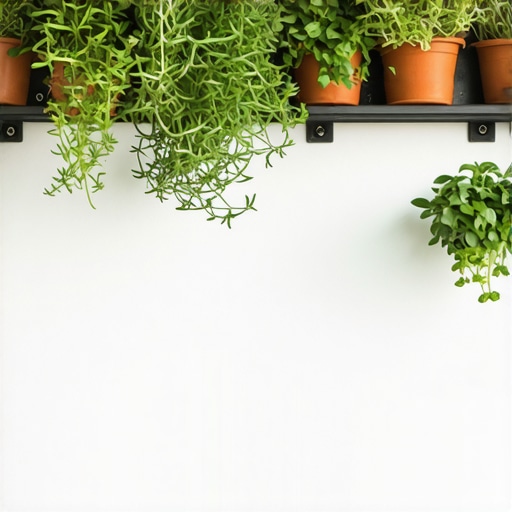
Building a Vertical Herb Garden for Small Patios
The Engineering Strategy for Vertical Patio Systems
A vertical herb garden is a structural installation that requires precise calculations of dead load, moisture migration, and substrate aeration to prevent system failure. On small patios, these systems must integrate with existing hardscaping and landscaping elements while managing the hydrostatic pressure inherent in vertical soil columns. Fail to account for weight, and you risk structural damage to your property.
I recently got called out to tear up a $30,000 patio that was sinking because the previous contractor ignored the basic physics of water weight and drainage. The homeowner had installed a massive, DIY vertical herb wall directly onto a veneered retaining wall. They used standard potting soil, which holds water like a sponge. After a heavy rain, that soil saturated, and the weight increased by 300 percent. The shear force snapped the anchors, and the entire unit collapsed, taking a section of the decorative stone with it and cracking the patio slab below. It was a disaster. I spent three days excavating a failed modified gravel base that had been crushed under the localized pressure. If you don’t respect the weight of water, gravity will eventually collect its debt. We had to rebuild the entire section with deeper compaction and 316-grade stainless steel structural bolts. This is why I drill engineering into my crew before they ever touch a trowel.
The Substrate Physics: Why Potting Soil Fails
Vertical herb gardens require a high-porosity, lightweight growth medium specifically engineered to resist compaction and maintain a high Cation Exchange Capacity (CEC). Standard garden soil is too heavy and will suffocate herb roots in a vertical environment. Professional garden design demands a mix of perlite, coconut coir, and expanded shale to ensure proper drainage and oxygenation.
“The primary cause of plant failure in containerized systems is the lack of pore space, which prevents gas exchange and leads to anaerobic root rot.” – Penn State Agricultural Extension
In a vertical column, gravity pulls water to the bottom, creating a perched water table. This means the plants at the bottom are drowning while the ones at the top are parched. You must modify your substrate to include larger aggregates at the base of each tier. I prefer a 60-40 split of inorganic to organic matter. This isn’t just about feeding the plant; it is about managing the air-to-water ratio within the root zone. Most people think they have a brown thumb. In reality, they just have stagnant soil. It will rot. Don’t skip the aeration layer.
How do you secure a vertical garden to a brick wall?
Securing a vertical garden to masonry requires sleeve anchors or wedge anchors rated for the total saturated weight of the system. You must drill into the brick itself, not the mortar joints, as mortar lacks the tensile strength to hold heavy loads. Use a hammer drill and carbide-tipped bits to ensure a clean bore. Always apply a bead of silicone sealant into the hole before inserting the anchor to prevent water from entering the building envelope. This prevents freeze-thaw cycles from cracking your masonry over time.
What is the best drainage for vertical planters?
The best drainage for vertical planters is a tiered gravity-fed system utilizing a French drain principle. Each planter level should have a perforated bottom lined with a geotextile fabric to prevent fine particles from clogging the drainage path. This allows excess water to move through the system without creating hydrostatic pressure against the mounting surface. If you are mounting against a wall, you must leave a 1-inch air gap behind the structure to prevent moisture from wicking into the siding or brickwork. Moisture is the enemy of longevity.
Material Selection and Load Management
Selecting materials for a vertical herb garden requires balancing aesthetic appeal with the chemical realities of wood rot and metal corrosion. Hardscape professionals prioritize hardscaping materials like Western Red Cedar or thermally modified wood over pressure-treated lumber, which can leach copper-based fungicides into your culinary herbs. Every fastener must be corrosion-resistant to handle the constant moisture of lawn care and irrigation cycles.
| Material Type | Expected Lifespan | Weight (Dry) | Recommended Use |
|---|---|---|---|
| Western Red Cedar | 15-20 Years | 23 lbs/cu.ft | Structural Framing |
| High-Density Polyethylene | 25+ Years | 58 lbs/cu.ft | Planter Inserts |
| 304 Stainless Steel | 50+ Years | 490 lbs/cu.ft | Fasteners/Brackets |
| Galvanized Steel | 10-15 Years | 490 lbs/cu.ft | General Hardware |
Do not use big-box store plastic kits. They degrade under UV exposure within two seasons. If you want a system that lasts, you build it with heavy-gauge materials. I see too many homeowners buying flimsy felt pockets that dry out in three hours. That is not gardening; that is a slow execution for your plants. A real professional system uses rigid containers with integrated irrigation. It must be robust. It must be serviceable.
“A retaining wall doesn’t fail because of the stone; it fails because of the water trapped behind it.” – Hardscape Engineering Axiom
The Installation Checklist for Small Patios
- Calculate the total weight of soil, water, and plants (assume 100 lbs per cubic foot for safety).
- Verify the load-bearing capacity of the patio or wall surface.
- Install a moisture barrier between the garden and the residence.
- Level the structural frame using a 4-foot level; do not eyeball it.
- Pre-drill all holes in cedar to prevent splitting.
- Install a dedicated drip irrigation line with a pressure regulator.
- Test the drainage flow before adding the first scoop of soil.
Irrigation Design and Hydrodynamic Balance
Effective irrigation in a vertical herb garden utilizes a pressure-compensated drip system to ensure every plant receives exactly one gallon of water per hour regardless of its elevation. Relying on hand-watering is a recipe for uneven growth and salt buildup in the soil. Proper landscaping tech requires a timer-controlled valve to deliver deep, infrequent hydration that forces roots to expand throughout the container.
Surface tension in small containers is a nightmare. If the soil dries out completely, it becomes hydrophobic. Water will simply run down the sides of the pot and out the bottom, leaving the root ball bone dry. You need to incorporate a wetting agent or ensure your peat-to-perlite ratio is balanced. I recommend a cycle of five minutes, three times a day, during peak summer heat. This keeps the internal temperature of the root zone stable. High heat on a concrete patio will cook the roots of herbs like Cilantro or Parsley. You have to monitor the thermal mass. Use light-colored containers to reflect heat. Dark pots on a south-facing wall will reach 120 degrees by noon. Your plants will die. Think like an engineer, not a decorator.

![Reviving Clay Soil Without Digging [2026 Guide]](https://lawnmajesty.com/wp-content/uploads/2026/09/Reviving-Clay-Soil-Without-Digging-2026-Guide.jpeg)
![2026 Pollinator Garden Setup [Bee-Friendly]](https://lawnmajesty.com/wp-content/uploads/2026/09/2026-Pollinator-Garden-Setup-Bee-Friendly.jpeg)