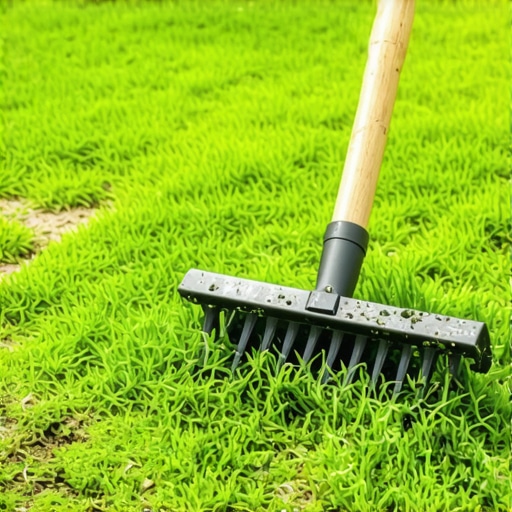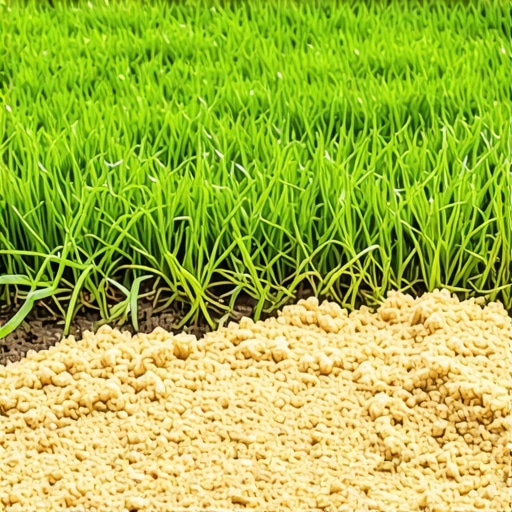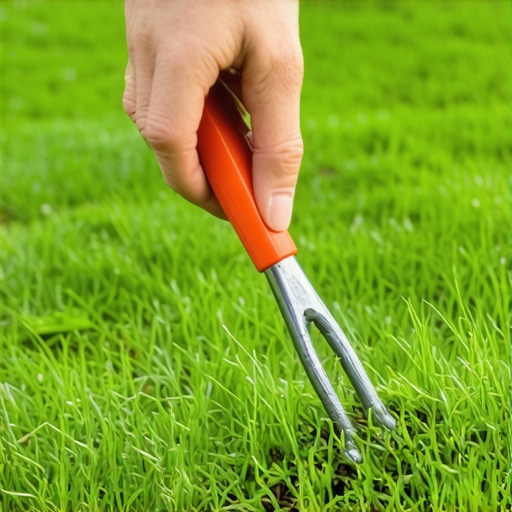
Stop 2026 Grass Burrs with This $15 Tool
If you have ever felt the white-hot sting of a sandbur piercing your heel or seen your dog limping with a cluster of spiked seeds embedded in its paw, you know that Cenchrus is the enemy. These are not just weeds; they are biological landmines that signify a total failure in your soil management protocol. Most homeowners spend hundreds on post-emergent sprays that do nothing but yellow the turf while the burrs laugh. You do not need a chemical arsenal to win this war. You need a $15 soil thermometer and the discipline to understand the nitrogen cycle. As a professional who has managed thousands of acres of high-traffic turf, I can tell you that the battle for 2026 is won in the late winter, not the summer heat.
The Chemical Nightmare: Why Your DIY Approach Failed
A homeowner called me in a panic after they completely torched their front lawn by applying a heavy dose of MSMA-based herbicide in the middle of a 100-degree July afternoon. They thought they were killing the burrs, but instead, they scorched the St. Augustine down to the roots and left the hardy sandburs as the only surviving species on the lot. This is the chemical nightmare I see every season. They ignored the label, ignored the temperature, and ignored the biology of the plant. By the time you see the burr, the plant has already won. It has already banked its seeds in your soil for the next three years. Remediation is not about nuking the yard; it is about creating a soil environment so dense and nitrogen-rich that the burr cannot find a square inch of sunlight to germinate.
The $15 Tool That Saves Your Lawn
The $15 soil thermometer is the most critical piece of equipment in any professional landscaper’s kit because it dictates the exact window for pre-emergent herbicide application. Applying chemicals based on the calendar is a fool’s errand, whereas tracking the 55-degree Fahrenheit soil temperature threshold ensures the herbicide barrier is active before the first Cenchrus seed wakes up. Stop looking at the air temperature. It is a lie. The soil holds the thermal mass. When that thermometer reads 55 degrees at a 3-inch depth for three consecutive days, you have exactly 72 hours to get your pre-emergent down and watered in. If you wait until 65 degrees, you have already lost. The seed has cracked. The root has descended. You are now fighting a ghost.
“Sandbur seeds can remain viable in the soil for several years, making consistent pre-emergent timing and healthy turf competition the only viable long-term control methods.” – Texas A&M AgriLife Extension
How much modified gravel do I need for a patio base?
While this article focuses on turf, many ask about hardscaping as a solution to burr-prone areas. For a standard patio, you need 6 inches of compacted 21A or 411 modified gravel. This creates a structural base that prevents the settling and moisture retention that often allows weeds to encroach on the edges of your stone work.
The Forensic Autopsy of a Burr Infestation
Grass burr infestations are the direct result of low soil fertility, specifically nitrogen deficiency, combined with high soil compaction and excessive sand content. In these conditions, desirable turf grasses like Bermuda or Zoysia go dormant or thin out, leaving the soil surface exposed to the light-sensitive germination triggers that sandburs require to thrive. If your soil looks like a beach, you will have burrs. If your soil is as hard as concrete, you will have burrs. We measure bulk density in grams per cubic centimeter. When your bulk density exceeds 1.6, your grass roots cannot penetrate. They sit on the surface. They starve. The burr, with its specialized taproot, finds the deep moisture and dominates. [IMAGE_PLACEHOLDER]
Do sandburs grow in healthy lawns?
Rarely. A dense, well-fed lawn with a height of 3 to 4 inches creates enough shade to prevent sandbur seeds from ever receiving the UV signals they need to germinate. Thick turf is the best herbicide money can buy. It is a physical barrier that the burr cannot breach.
| Herbicide Active Ingredient | Application Window | Mechanism of Action | Effectiveness Rating |
|---|---|---|---|
| Prodiamine (Barricade) | Late Winter (55°F Soil) | Mitosis Inhibitor | 9/10 |
| Dithiopyr (Dimension) | Early Spring (Up to 60°F Soil) | Early Post-Emergent/Pre-Emergent | 8/10 |
| Pendimethalin | Late Winter | Root Growth Inhibitor | 7/10 |
| Glyphosate | Year-Round (Spot Treat) | Non-Selective Systemic | 2/10 (Too Risky) |
The Professional Remediation Checklist
- Step 1: Mechanical Removal. Use a carpet drag or a piece of old shag carpet weighted down with bricks. Pull it across the infested area in the fall to pick up the loose pods before they sink into the thatch.
- Step 2: Soil Testing. Stop guessing. Check your pH. If you are below 6.0, your nitrogen is locked up. Apply lime to bring it to 6.5.
- Step 3: Core Aeration. Pull 3-inch plugs. Don’t use those spike shoes; they just increase compaction. You need to physically remove soil to let oxygen reach the root zone.
- Step 4: The 55-Degree Barrier. Use your thermometer. Apply Prodiamine at the professional rate. Water it in with exactly 0.5 inches of irrigation to set the barrier.
- Step 5: High-Nitrogen Push. Once the turf wakes up, feed it. Aim for 1 pound of actual nitrogen per 1000 square feet. Make the grass grow so fast the burrs get choked out in the shade.
“A retaining wall doesn’t fail because of the stone; it fails because of the water trapped behind it, just as a lawn fails not because of the weed, but because of the soil conditions that invited it.” – Hardscape Engineering Axiom
The Physics of Compaction and Cenchrus
Burrs love a high-friction, low-oxygen environment. When you drive your mower over the same path every week, you are creating a highway for sandburs. The wheels crush the soil pores. Oxygen levels drop. Carbon dioxide builds up. Most grasses need at least 10 percent air space in the soil to survive. Sandburs can live on much less. You must break the cycle of compaction. If the ground feels like a brick under your boot, it is a brick. Use a liquid soil loosener or a mechanical aerator. Do not skip this. Without oxygen, your fertilizer is just expensive salt sitting on top of the ground. It will not help the grass. It will only help the weeds that have adapted to the waste.
The Maintenance Schedule for Total Dominance
Winning the war in 2026 requires a three-year perspective. The seeds already in the ground are waiting. You must maintain the barrier every year. One missed window and you reset the clock. Mow high. Never scalp. Scalping is an invitation for sunlight to hit the soil. Keep the canopy thick. Watch the edges of your driveways and sidewalks; these are heat sinks that warm the soil faster than the rest of the yard. Apply your pre-emergent 10 days earlier in those zones. This is the difference between a hack and a foreman. Attention to detail. Use the tool. Trust the temperature. Kill the burrs before they are born.

![Stop 2026 Lawn Burn: 3 Mowing Height Rules [Tips]](https://lawnmajesty.com/wp-content/uploads/2026/05/Stop-2026-Lawn-Burn-3-Mowing-Height-Rules-Tips.jpeg)