Why You Should Use Pine Straw Instead of Wood Mulch
The Engineering of a Superior Ground Cover: Why Pine Straw Wins
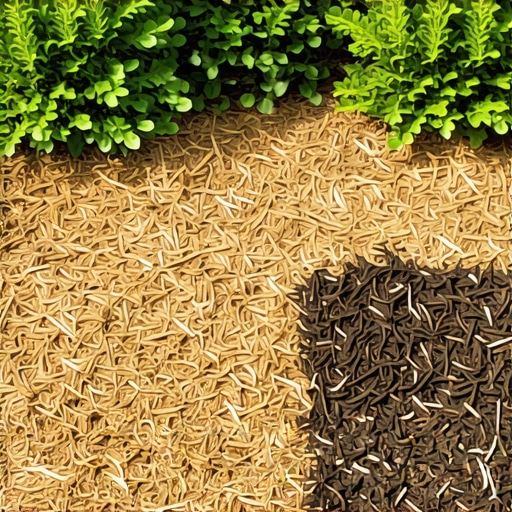
Pine straw, specifically long-leaf pine needles, serves as a superior mulching medium because it facilitates better oxygen exchange, maintains soil acidity, and prevents the hydrophobic crusting common with shredded hardwood. Unlike wood mulch which can form a fungal mat that sheds water, pine straw allows every drop of moisture to reach the root zone.
The Apprentice Lesson: Soil Grading and the Mulch Myth
I always drill into my new crew members: if you don’t fix the soil grading first, every plant you put in the ground is just expensive compost. When we start a new installation, the material choice for the surface is as critical as the subterranean drainage. Last year, I saw a homeowner lose six mature Japanese Maples because a ‘mow-and-blow’ crew piled 6 inches of dyed wood mulch against the root flares. The trunks rotted because the wood held too much moisture against the bark. I had to explain to my apprentice that wood mulch is often just a heavy blanket that suffocates the soil microbiology. We switched that client to pine straw, and the difference in soil tilth within six months was undeniable. The ground actually breathed again.
The Chemical Reality of Nitrogen Drawdown
Nitrogen drawdown occurs when wood-based mulches with high carbon-to-nitrogen (C:N) ratios begin to decompose, temporarily robbing the upper soil layers of nitrogen needed for plant growth. High-carbon materials like shredded oak or cypress require nitrogen from the soil to fuel the bacteria breaking them down. Pine straw has a more stable decomposition rate, meaning it doesn’t create the same nutrient deficit for your perennials and shrubs.
“Mulch applied too deeply or of the wrong material can lead to oxygen starvation in the root zone and trunk rot at the base of the plant.” – Penn State Extension: Mulching Landscape Plants
How deep should pine straw be for weed control?
To achieve effective weed suppression and moisture retention, you must apply pine straw to a settled depth of 3 to 4 inches. This thickness creates a dense interlocking mat that blocks sunlight from germinating weed seeds while remaining porous enough for gas exchange. Don’t go thinner. It will fail.
Comparative Analysis: Pine Straw vs. Wood Mulch
The following table breaks down the mechanical and chemical differences between these two common landscape inputs.
| Feature | Long-Leaf Pine Straw | Shredded Hardwood Mulch |
|---|---|---|
| Decomposition Rate | Slow (12-18 months) | Moderate (6-12 months) |
| Water Infiltration | Excellent (Interlocking needles) | Poor (Can become hydrophobic) |
| Soil pH Impact | Slightly Acidic (Ideal for Azaleas) | Neutral to Alkaline |
| Termite Risk | Very Low (Lacks cellulose mass) | Moderate to High |
| Installation Weight | Light (15-20 lbs per bale) | Heavy (50-100 lbs per yard) |
Does pine straw attract termites and pests?
Contrary to popular belief, pine straw does not attract subterranean termites because it lacks the dense cellulose mass and moisture-retaining capacity that wood mulch provides. While any ground cover can provide harborage for insects, pine straw stays drier at the surface, making it less hospitable for wood-destroying organisms near your home’s foundation.
The Mechanics of Interlocking Fibers
Pine straw is a structural marvel. The needles have a natural ‘hook’ that allows them to knit together on slopes. This prevents the ‘washout’ effect seen during heavy rain events. If you have a 3:1 slope, wood mulch will end up in the street after the first thunderstorm. Pine straw stays put. It stays where you put it. This interlocking nature also prevents soil erosion by breaking the kinetic energy of falling raindrops before they hit the bare earth.
“A mulch layer that allows for rapid water infiltration and gas exchange is critical for maintaining a healthy rhizosphere in urban soils.” – ISA Arborists’ Certification Manual
The Step-by-Step Installation Process
- Clean the Bed: Remove all existing weeds and debris. Do not leave organic matter that can rot underneath the new straw.
- Establish the Edge: Cut a 3-inch deep ‘V’ trench around the perimeter of the bed. This is called ‘tucking’ and it keeps the straw contained.
- Calculate Volume: One bale of long-leaf pine straw typically covers 30-50 square feet at a 3-inch depth.
- Shake and Spread: Don’t just drop clumps. Shake the needles out to allow them to interlock naturally.
- Tuck the Perimeters: Use a spade or garden fork to push the edges of the straw into your pre-cut trench for a professional, clean look.
Avoid ‘mulch volcanoes.’ Never pile straw against the trunk of a tree. The root flare must be visible. If you bury the flare, you kill the tree. It is that simple. I have seen million-dollar landscapes ruined by five dollars worth of misplaced mulch. Keep it back at least 3 inches from any woody stem.
The Long-Term Maintenance Cycle
Pine straw is not a one-and-done solution. It fades to a grey-brown over time. To maintain the aesthetic and the protective barrier, you should apply a light ‘freshener’ coat of 1 inch every 6 to 9 months. This maintains the UV protection for the soil and keeps the weed suppression active. It won’t mat down into a solid brick like wood mulch does. This means you don’t have to rake it out and replace it every three years. Just add to it. The bottom layer turns into rich humus, feeding the soil from the top down. It is a self-sustaining cycle that mimics the forest floor. That is why it works.
![Fix 2026 Yard Puddles with a $150 Dry Well [DIY]](https://lawnmajesty.com/wp-content/uploads/2026/06/Fix-2026-Yard-Puddles-with-a-150-Dry-Well-DIY.jpeg)