Why Your Gravel Driveway Keeps Developing Massive Potholes
Why Your Gravel Driveway Keeps Developing Massive Potholes: The Forensic Engineering Reality
You hear that rhythmic, bone-jarring thud-clunk every morning as you pull out of your house. You’ve dumped a dozen tractor buckets of fresh stone into those craters, yet three weeks later, the potholes are back, larger and more aggressive than before. As a contractor who has spent two decades excavating failed residential infrastructure, I can tell you exactly why your efforts are failing. You are treating a structural hemorrhage with a cosmetic Band-Aid. I recently got called out to tear up a $30,000 driveway installation that was sinking into the earth because the previous installer thought they could skip the sub-base preparation. They threw four inches of #57 stone directly onto raw topsoil. Within one freeze-thaw cycle, the driveway was a muddy soup. This is the ‘Hardscape Autopsy’ of your driveway failure.
The Physics of the Pothole
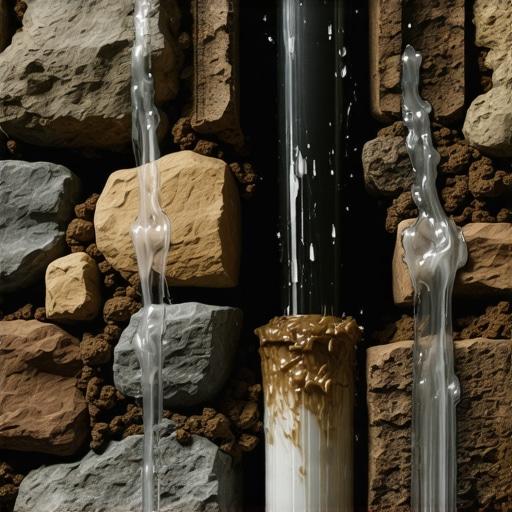
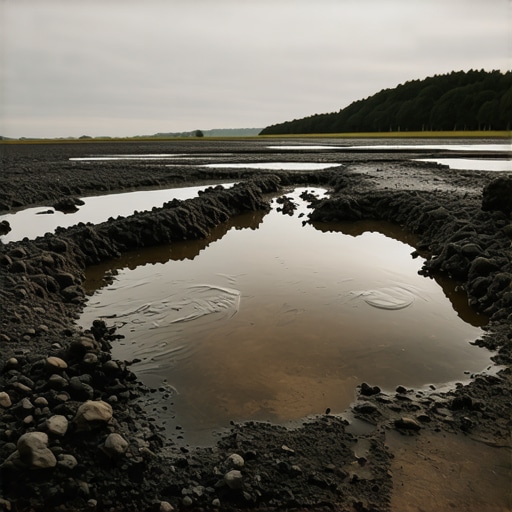
A gravel driveway pothole is a structural failure caused by the saturation of the subgrade, which leads to hydrostatic pressure and the displacement of aggregate under vehicular weight. When water cannot drain away from the driveway core, it softens the soil beneath, allowing tires to punch through the stone and create a permanent depression. [IMAGE_PLACEHOLDER]
The common mistake is thinking the gravel is the driveway. It is not. The soil beneath is the driveway; the gravel is just the wearing course. If that soil is saturated, it loses its California Bearing Ratio (CBR), which is a measure of its strength. When you drive over a wet spot, the weight of the vehicle creates a hydraulic pump action. This force pushes fine silt and clay particles up into your clean gravel, a process we call ‘fines migration.’ Once those fines contaminate your stone, the gravel loses its ability to interlock. It becomes a lubricant, not a structural layer. You aren’t driving on stone anymore; you are driving on a greased slide of wet rock.
“A driveway doesn’t fail because of the stone; it fails because of the water trapped within the base layers and the lack of mechanical compaction.” – International Interlocking Concrete Pavement Institute (ICPI) Technical Manual
How much modified gravel do I need for a driveway base?
For a residential driveway capable of supporting a 5,000-pound SUV or an occasional 20,000-pound delivery truck, you need a minimum of 6 to 8 inches of compacted Dense Graded Aggregate (DGA) over a stable subgrade. This base must be applied in ‘lifts’ no thicker than 4 inches, with each lift compacted using a 1,000-pound vibratory plate tamper or a roller until it reaches 95% Proctor density. If you simply dump 8 inches at once, the bottom 4 inches will remain loose, leading to immediate settling and new potholes.
The Aggregate Material Comparison Table
Choosing the wrong rock is the second most common cause of failure. Look at the data below to see why your ‘clean’ stone is actually working against you.
| Material Type | Best Use Case | Compaction Rating | Drainage Rating |
|---|---|---|---|
| #57 Clean Stone | Drainage pipes, French drains | Low (Rolls like marbles) | Excellent |
| CR-6 / DGA (Dense Graded) | Driveway base and surface | High (Locks tight) | Moderate |
| Quarry Process (QP) | Heavy load-bearing areas | Extreme | Low |
| Recycled Concrete | Budget-friendly base | High | Moderate |
The Drainage Equation: Crown, Shoulder, and Ditch
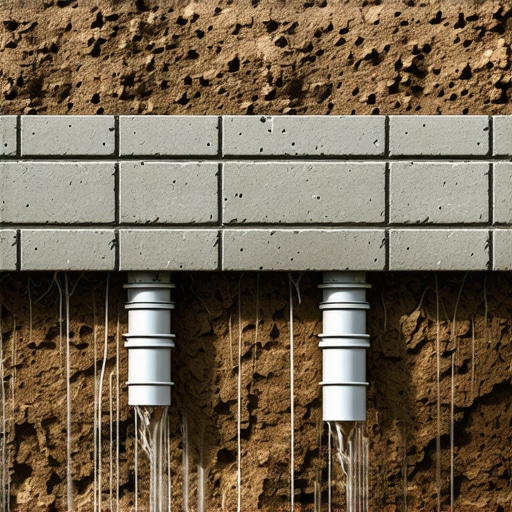
Water is the universal solvent of civil engineering. If your driveway is flat, it is dying. Every driveway needs a crown, which is a slight peak in the center that slopes toward the edges at a 2% to 3% grade. This ensures that water travels the shortest possible distance (half the width of the driveway) before exiting the structural zone. If the water sits in the middle, it creates ‘bird-baths’ which inevitably become potholes. You also need to look at the shoulders. If your lawn has grown up higher than the edge of the gravel, it creates a dam. The water has nowhere to go but down into your base. I often see homeowners ‘edge’ their driveways with timber or plastic. Stop it. You are trapping water. You need a clear run-off path into a ditch or a French drain system. I tell my crew every morning: if you don’t fix the soil grading first, every plant or stone you put in the ground is just expensive compost.
“Surface water must be diverted away from the pavement structure as quickly as possible to prevent subgrade saturation and subsequent loss of shear strength.” – Agricultural Extension Agronomy Manual
Why does my gravel wash away after rain?
Gravel washes away because it lacks fines (the dust-like particles) that act as the ‘glue’ holding the larger stones together. When you use ‘clean’ stone, there is no cohesive bond. High-velocity rainwater flows through the voids and carries the stones with it. To prevent this, you must use a ‘well-graded’ mixture that includes everything from 3/4-inch stone down to stone dust. This creates a concrete-like surface that resists erosion.
The Step-by-Step Remediation Checklist
If you are tired of filling the same holes, follow this professional-grade protocol. Do not skip steps. It will rot if you do.
- Call 811: Never dig without marking your utility lines. Even a shallow driveway excavation can hit a buried cable or gas line.
- Excavate the Pothole: You cannot just fill the hole. You must dig it out. You need to remove the contaminated ‘soupy’ soil until you hit firm, dry earth.
- Install Geotextile Fabric: This is the secret weapon. Lay a non-woven geotextile fabric between the soil and your new gravel. This prevents the mud from mixing with your stone.
- Backfill with DGA: Use a modified gravel (like 21A or CR-6).
- Compact in Lifts: Use a mechanical tamper. The tamper should literally bounce off the compacted base when you’ve reached the right density.
- Restore the Crown: Ensure the center of the repair is slightly higher than the edges.
Remember, your local climate dictates your maintenance. If you live in a region with heavy clay, you need more stone depth than someone in a sandy loam area. Clay holds water like a sponge, leading to massive frost heave during the winter months. In those zones, I recommend a 12-inch base for any heavy-use area. If you ignore these measurements, you are just throwing money into a hole. Literally.
Frequently Asked Questions
What is the best gravel for a driveway?
The best material is typically a ‘Dense Graded Aggregate’ or ‘Crushed Run’ which contains a mix of stone sizes and dust to allow for maximum compaction and stability.
How do I stop weeds from growing in my gravel?
Weeds don’t grow from the soil up; they grow from seeds blowing into the organic matter that collects between your stones. Regular grooming and ensuring proper drainage to keep the area dry are the best defenses.