How to Build a Vertical Herb Garden Using Cedar Fencing
The Foundation of Vertical Horticulture
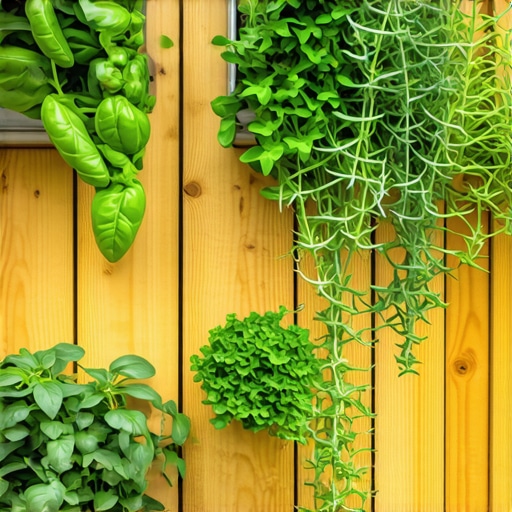
Building a vertical herb garden using cedar fencing is a strategic landscaping solution that maximizes garden design efficiency by utilizing vertical space and the natural rot-resistance of Western Red Cedar heartwood. To ensure structural integrity, you must engineer the frame to withstand hydrostatic pressure and weight loads exceeding 50 pounds per square foot when saturated. It is not just about aesthetics; it is about moisture management.
I always drill into my new crew members: if you don’t fix the soil grading first, every plant you put in the ground is just expensive compost. I saw a DIYer last summer who built a beautiful cedar wall but ignored the slope of his yard. Within three months, the runoff from his lawn care routine had pooled behind the structure, turning the base into a localized swamp that attracted subterranean termites. He lost the garden and $800 in plants because he didn’t understand that even a vertical build starts with the dirt it stands on. You have to respect the site physics or the biology will fail every time.
“Wood rot in contact with soil is an inevitability unless the species contains natural extractives like thujaplicins found in Western Red Cedar.” – USDA Forest Products Laboratory
Selecting Cedar: Heartwood vs. Sapwood Biology
Cedar fencing is preferred for vertical herb gardens because its phenolic compounds provide a natural defense against decay-producing fungi and insects without the need for toxic pressure treatments. For a landscaping project intended to produce edible herbs, choosing Western Red Cedar (Thuja plicata) heartwood ensures a lifespan of 15 to 25 years under typical moisture exposure. Avoid sapwood, which lacks these protective extractives.
| Cedar Type | Rot Resistance | Ideal Use | Estimated Lifespan |
|---|---|---|---|
| Western Red (Heartwood) | Very High | Soil Contact / Planters | 20+ Years |
| Incense Cedar | Moderate | Decorative Trim | 10-12 Years |
| White Cedar | High | Moist Climates | 15-20 Years |
| Cedar Sapwood | Low | Fencing Rails Only | 3-5 Years |
Which type of cedar is best for outdoor planters?
Rough-sawn Western Red Cedar heartwood is the gold standard for outdoor herb planters because it contains high concentrations of thujaplicins. These natural oils prevent fungal growth and wood-boring insects. For vertical builds, 1×6 inch fence pickets provide the optimal balance of structural rigidity and weight management for garden design.
The Structural Engineering of the Vertical Frame
A vertical herb garden is a structural hardscaping element that must account for the tensile strength of the cedar and the shear force on the fasteners. When cedar pickets are loaded with wet potting media, the outward pressure can bow the wood if the supports are spaced more than 24 inches apart. Use stainless steel fasteners to prevent galvanic corrosion, which occurs when the natural acids in cedar react with standard zinc-coated nails.
“Vertical growing systems require a specialized substrate that balances capillary action for moisture retention with macro-pore space for root respiration.” – University of Florida IFAS Extension
How much weight can a vertical cedar garden hold?
A standard 4×6 foot vertical cedar garden can weigh over 400 pounds when the soil is at field capacity after a heavy rain or lawn care irrigation cycle. You must anchor the frame into structural studs or 4×4 pressure-treated posts set in 24 inches of compacted modified gravel to prevent the system from tipping or collapsing under the load.
Installation Step-by-Step: The Forensic Approach
Begin by excavating a 4-inch deep trench where the base of your vertical garden will sit, filling it with 3/4-inch crushed stone to facilitate drainage away from the cedar. Cut your 1×6 cedar fence pickets to the desired length, ensuring you pre-drill every hole to prevent the wood from splitting along the grain. Assemble the planter boxes using pocket-hole joinery for maximum mechanical strength, then line the interior with 6-mil polyethylene or a breathable geotextile fabric to separate the wet soil from the wood surface.
- Step 1: Level the base using a 48-foot spirit level on top of compacted gravel.
- Step 2: Secure 4×4 support posts using 3-inch stainless steel lag bolts.
- Step 3: Space planter tiers at least 12 inches apart to allow for mature herb height.
- Step 4: Install a 1/4-inch drip irrigation line to each tier for consistent moisture.
- Step 5: Apply a food-safe paraffin wax sealer to the exterior of the cedar.
Soil Microbiology and Nutrient Management
Herbs in vertical systems are isolated from the soil food web found in traditional landscaping beds, meaning you must provide a biologically active growing medium. Use a mix of 50% high-quality compost, 25% perlite for macropore aeration, and 25% coconut coir to manage capillary action. Monitor the pH levels closely; most culinary herbs like rosemary and thyme thrive in a slightly acidic 6.0 to 7.0 range. Avoid heavy fertilizers that lead to salt buildup in small containers.
Check the moisture daily. Vertical gardens lose water faster than the ground. Use your finger to check the top 2 inches of soil. If it is dry, water it. Don’t skip this. Consistency is the only way to prevent root girdling and plant stress in a vertical environment.
![5 Native Perennials for 2026 Pollinator Gardens [Zone 5]](https://lawnmajesty.com/wp-content/uploads/2026/06/5-Native-Perennials-for-2026-Pollinator-Gardens-Zone-5.jpeg)
![Build a $200 Tiered Garden for 2026 Slopes [DIY]](https://lawnmajesty.com/wp-content/uploads/2026/06/Build-a-200-Tiered-Garden-for-2026-Slopes-DIY.jpeg)