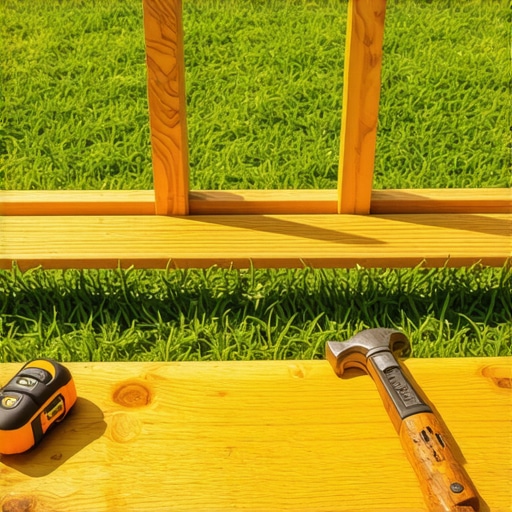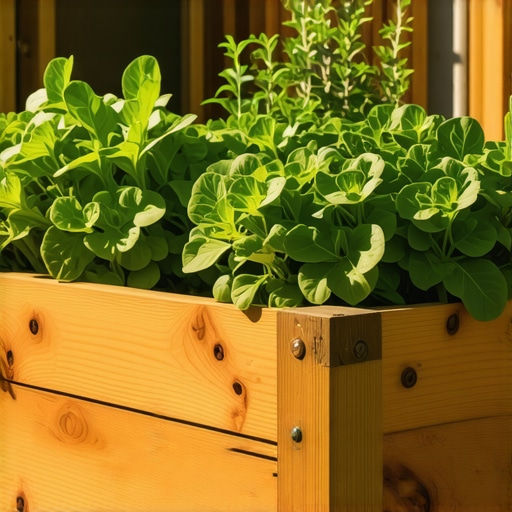
Build a $100 Raised Bed Using Heat-Treated Cedar in 2026
The Blueprint for a High-Performance 2026 Raised Bed
Building a $100 raised bed using heat-treated cedar requires sourcing rough-sawn dimensional lumber, utilizing 2-inch stainless steel fasteners, and focusing on soil-to-structure engineering to maximize the 15-year lifespan of the wood. By prioritizing thermal-modified timber over chemical-laden alternatives, you ensure a non-toxic environment for vegetable production while maintaining structural integrity against hydrostatic pressure.
I always drill into my new crew members: if you don’t fix the soil grading first, every plant you put in the ground is just expensive compost. I’ve seen $50,000 backyard installs turn into swamps because some guy didn’t understand how water moves through a soil profile. When you’re building a raised bed, even a small 4×8 box, you are creating a micro-ecosystem. If you just slap some boards together on top of un-prepped turf, the grass will rot, go anaerobic, and choke the roots of whatever expensive heirloom tomatoes you just bought. We do it right, or we don’t do it at all. That means stripping the sod, checking for level within a quarter-inch, and ensuring the base has enough porosity to handle a three-inch rain event without turning into a bathtub.
Sourcing Heat-Treated Cedar on a Budget
To stay under the $100 price point in 2026, you must bypass big-box retailers and source heat-treated (HT) cedar from local sawmills or specialty timber yards that offer ‘shorts’ or ‘mill-run’ grades. Heat-treated wood is essential because the thermal modification process alters the cell structure of the cedar, making it less hygroscopic and more resistant to fungal decay without the use of copper-based preservatives.
“Heat-treated wood (thermally modified) undergoes a process where oxygen is removed to prevent combustion while heating the wood to over 400 degrees Fahrenheit, effectively neutralizing the sugars that fungi feed on.” – Sustainable Agriculture Research and Education (SARE)
In 2026, the cost of Western Red Cedar (Thuja plicata) has stabilized, but you need to be smart. Look for 5/4-inch boards rather than full 2-inch stock to save on material costs while still providing enough thickness to resist bowing. Heat-treated wood, often stamped with ‘HT’, is safe for organic gardening. Avoid anything marked ‘PT’ (Pressure Treated) if you’re growing edibles, regardless of what the salesman tells you about modern micronized copper. We want biology, not chemistry.
How long does heat-treated cedar last in the ground?
Heat-treated cedar typically lasts between 10 to 15 years depending on the soil contact and local moisture levels. By using a 6-mil polyethylene liner on the interior walls (but not the bottom), you can extend this lifespan by preventing direct soil moisture from migrating into the wood fibers through capillary action. This is a standard hardscape tactic adapted for horticulture.
| Material Item | Unit Dimension | Target Price (2026) |
|---|---|---|
| HT Cedar Fence Pickets (Rough) | 1″ x 6″ x 8′ | $12.50 |
| Cedar 2×4 Corner Posts | 2″ x 4″ x 8′ | $18.00 |
| Stainless Steel Screws | 1lb Box (2.5″) | $15.00 |
| Hardware Cloth (Gopher Guard) | 4′ x 8′ Roll | $22.00 |
| Total Estimated Cost | – | $92.50 |
The Engineering of Site Preparation
Site preparation for a raised bed involves excavating the top 3 inches of turf, leveling the sub-base with a coarse sand or stone dust, and installing a physical barrier against burrowing pests. Neglecting the sub-base leads to differential settling, which puts immense stress on your corner joints and eventually causes the fasteners to shear under the weight of wet soil.
Most DIYers fail because they think ‘level’ is a suggestion. It’s not. If your bed is three inches out of level across an eight-foot span, the water will migrate to the low end, creating a saturated zone that leads to root rot, while the high end stays bone dry. Use a transit level or at least a high-quality 4-foot bubble level. Once the sod is gone, lay down your 1/2-inch hardware cloth. This isn’t just for gophers; it provides a structural matrix that helps keep the bed from shifting during freeze-thaw cycles. It will rot if you leave it in standing water. Don’t skip the drainage layer.
What is the best soil mix for a cedar raised bed?
The ideal soil for a raised bed is a 1:1:1 ratio of screened topsoil, coarse perlite or vermiculite, and high-quality compost. This mix provides the necessary pore space for oxygen exchange while maintaining a CEC (Cation Exchange Capacity) high enough to hold onto nutrients. You are looking for a pH between 6.2 and 6.8 for most garden vegetables. Don’t just buy ‘garden soil’ in plastic bags; it’s mostly uncomposted forest products that will rob your plants of nitrogen as it breaks down.
Assembly and Structural Fastening
Assembling the bed requires pre-drilling every hole to prevent the brittle heat-treated cedar fibers from splitting and using 304-grade stainless steel screws to resist the tannic acid corrosion inherent in cedar. Heat treatment makes wood more dimensionally stable but also more prone to shattering if you drive a fastener without a pilot hole.
“Raised bed soils require a high percentage of organic matter to maintain aeration, as the physical structure of the bed increases drainage rates compared to in-ground plantings.” – University of Minnesota Extension
- Cut your 8-foot boards into two 4-foot sections for the ends and leave two 8-foot boards for the sides.
- Use a 4×4 or 2×4 cedar block in each corner for structural backing.
- Apply a bead of exterior-grade wood glue to the end grains before screwing.
- Install a center brace on 8-foot beds to prevent the ‘belly’ effect from soil weight.
- Countersink the screw heads 1/16th of an inch.
The ‘Information Gain’ here is simple: skip the landscape fabric at the bottom. The internet tells you to use it to stop weeds. In reality, it acts as a filter that eventually clogs with soil fines, creating a perched water table that kills your plants. If you want to kill the grass, use three layers of plain brown cardboard. It decomposes and invites earthworms into the bed, which are the real engineers of your soil structure. This is biology over convenience.
Maintenance and Year-One Expectations
In the first year, expect the cedar to silver slightly due to UV exposure and the soil level to drop by 2-3 inches as the organic matter settles and the air pockets collapse. This isn’t a failure; it’s the natural mineralization process of the compost and the maturation of the wood’s exterior patina.
Check your fasteners every spring. The expansion and contraction of the soil—especially in climates with heavy freeze-thaw cycles—can back screws out over time. If you see a gap forming, don’t just tighten it; back it out, clear the debris, and re-drive it. This keeps the joint tight. In the fall, top the bed with another 2 inches of compost. Never leave the soil bare over winter; use a cover crop or a layer of clean straw to protect the soil microbes from UV sterilization. Your bed is an investment. Treat it like a piece of high-end hardscaping, not a temporary box. If you follow these specs, you won’t be rebuildling this in 2028. You’ll be harvesting from it.

![Build a $40 Raised Garden Bed [Cedar 2026]](https://lawnmajesty.com/wp-content/uploads/2026/06/Build-a-40-Raised-Garden-Bed-Cedar-2026.jpeg)