Fix 2026 Muddy Dog Runs with This $60 Cedar Mulch
The Anatomy of a Failed Dog Run
To fix a muddy dog run, you must address drainage, soil compaction, and surface material durability. Using shredded cedar mulch provides a natural, rot-resistant barrier that interlocks to prevent displacement while allowing water to infiltrate the subsoil without creating a slurry or anaerobic mess.
I always drill into my new crew members: if you don’t fix the soil grading first, every plant or bag of mulch you put in the ground is just expensive compost. Last spring, I watched a greenhorn named Mike try to ‘fix’ a backyard swamp by dumping six yards of hardwood mulch directly into a standing puddle. Within forty-eight hours, the mulch had absorbed the nitrogen-rich canine waste, the water had nowhere to go, and the entire area smelled like a stagnant sewer. I made him shovel every wet, heavy pound of it back out. We spent the next day cutting a two-percent grade away from the foundation and installing a catch basin. You cannot fight gravity. You can only negotiate with it. If the sub-grade is flat, the water stays. If the water stays, the mud wins. It is that simple.
Why Dirt Becomes Mud: The Soil Science Perspective
Soil structure fails when the pore spaces between particles are collapsed by repeated mechanical pressure, such as a forty-pound dog sprinting the same path daily. This compaction prevents water from percolating downward. When water sits on the surface, it binds with the fine silt and clay particles to create a colloidal suspension: mud. In high-traffic dog runs, the problem is compounded by the high urea content in dog waste, which can chemically break down organic matter faster than a standard garden bed.
“Maintaining proper soil drainage is essential to prevent anaerobic conditions that lead to pathogen buildup in high-traffic pet areas.” – Penn State Extension
The goal is to introduce a surface layer that resists this biological and mechanical breakdown. Hardwood mulches are often too high in cellulose and decompose within months when saturated. Cedar is different. It contains natural oils and tannins that act as preservatives. This keeps the wood fibers intact longer, even when subjected to the high-moisture environment of a dog run. It will not rot quickly. It stays firm.
The $60 Cedar Mulch Solution: Why Material Selection Matters
While you might be tempted by the $3 bags of ‘color-enhanced’ mulch at the big-box store, you are buying trash. Most of that is shredded pallet wood treated with dyes. It has no structural integrity. For roughly $60 per cubic yard delivered in bulk, you can get high-quality shredded Western Red or Eastern White Cedar. This material is fibrous. The long, thin strands knit together like a bird’s nest. This interlocking action is vital because it prevents the dog from kicking the mulch out of the run during a ‘zoomie’ or a sudden stop. Bark nuggets, by contrast, will simply float away or be displaced with minimal effort. They are useless here.
| Material | Durability | Porosity | Cost (Avg/Yard) | Rot Resistance |
|---|---|---|---|---|
| Shredded Cedar | High | Excellent | $55-65 | Very High |
| Hardwood Chips | Medium | Good | $35-45 | Moderate |
| Pine Bark Nuggets | Low | Excellent | $40-50 | Moderate |
| Pea Gravel | High | High | $60-80 | N/A |
How much mulch do I need for a dog run?
To calculate your needs, multiply the square footage of the run by the desired depth (usually 4 inches) and divide by 324. This will give you the cubic yardage required for a stable, long-lasting base that can withstand heavy traffic and effective drainage.
Is cedar mulch safe for dogs?
Cedar mulch is generally safe for dogs and provides natural insect-repelling properties that can deter fleas and ticks. However, ensure the mulch is natural and undyed, as some chemical colorants can cause skin irritation or staining on light-colored fur during wet weather conditions.
The Step-By-Step Remediation Process
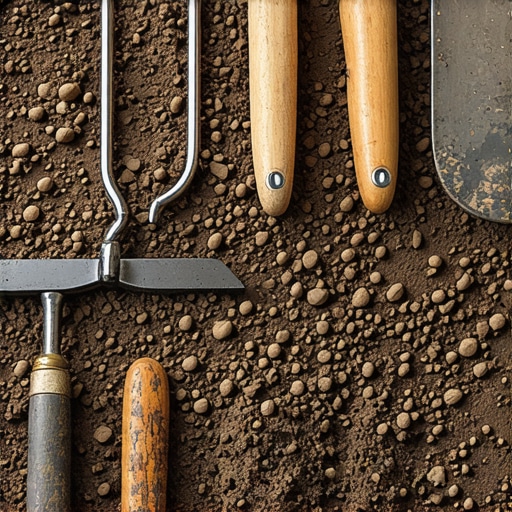
Fixing the mud is a forensic exercise. You have to remove the failed material before you can build the new system. Don’t skip the excavation. You must reach the native soil and assess the compaction level before moving forward. If the soil is heavy clay, you may need to go deeper. Clay acts like a bathtub. It holds water. You need to break that cycle. Use a garden fork to aerate the sub-soil before adding your mulch layer. This creates small channels for water to escape.
- Clear all existing mud, decaying organic debris, and weeds from the run area.
- Grade the sub-soil to a 2% slope (1/4 inch per foot) away from structures.
- Install a heavy-duty landscape fabric (optional, but helps keep mulch from sinking into clay).
- Edge the area with pressure-treated 4x4s or heavy-duty steel edging to contain the material.
- Spread 4 to 6 inches of shredded cedar mulch evenly across the surface.
- Tamp the mulch down lightly to encourage the fibers to interlock.
“Surface stability in landscape applications depends entirely on the friction coefficient and interlocking nature of the chosen aggregate or organic cover.” – Hardscape Engineering Principles
Long-Term Maintenance: Beyond the Mulch
Even the best cedar mulch is not permanent. It is organic. It will eventually break down, though much slower than other woods. You should expect to ‘top-dress’ the run with another inch of fresh cedar every 12 to 18 months. This maintains the depth and refreshes the aromatic oils that help with odor control. If you notice a particular spot where the dog always pivots, that area will compact faster. Rake it out occasionally. Don’t let it become a low spot. Once a low spot forms, water pools. Once water pools, the cedar begins to ferment rather than dry. Keep the surface level. Keep the grade intact. Your dog will stay clean, and your yard will stop smelling like a swamp.
![Stop Scalping 2026 Fescue: 3 Mowing Height Rules [Fix]](https://lawnmajesty.com/wp-content/uploads/2026/05/Stop-Scalping-2026-Fescue-3-Mowing-Height-Rules-Fix.jpeg)