
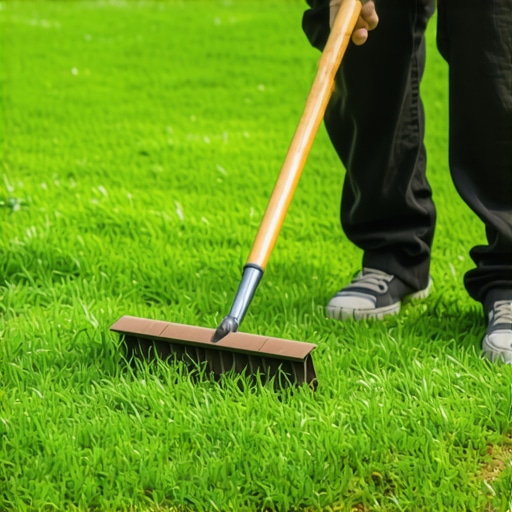
How to Edge Your Lawn Like a Pro with Only a Manual Edger
The Engineering of a Clean Edge
To edge your lawn like a professional using a manual edger, you must execute a vertical shear cut at a 90 degree angle to the soil surface, creating a 2 to 3 inch deep trench that physically separates turf rhizomes from garden design elements or hardscaping. This process requires a sharpened half-moon edger, a consistent string line for guidance, and the mechanical application of body weight to overcome soil bulk density without fracturing the vertical soil wall.
The Apprentice Lesson: Why Structural Boundaries Matter
I always drill into my new crew members: if you don’t fix the soil grading and establish a hard vertical line first, every plant you put in the ground is just expensive compost. I remember a job in a high-end neighborhood where the client had spent five figures on specimen plantings but used a cheap string trimmer to ‘edge’ the beds. The result was a sloping, messy transition that allowed Bermuda grass to infiltrate the root balls of $500 Japanese Maples. It took my team three days just to redefine those edges manually. We weren’t just ‘beautifying’; we were performing a surgical separation of ecosystems. If you don’t respect the boundary, the lawn will colonize your garden beds. It is biological warfare, and the manual edger is your primary defense tool. Do not skip the physics of the cut.
Manual vs. Power Edgers: The Mechanical Truth
While gasoline-powered rotary edgers offer speed, they often lack the precision required for complex garden design curves and can easily skip on buried rocks, creates jagged, unsightly gashes in the turf. Manual edging allows for tactile feedback. You feel the resistance of a thick thatch layer or the presence of a shallow utility line. It provides a cleaner cut that minimizes desiccation at the grass blade tips.
| Feature | Manual Half-Moon Edger | Gas-Powered Rotary Edger | String Trimmer (Hacks) |
|---|---|---|---|
| Precision | Maximum | Moderate | Low |
| Soil Compaction | Minimal | High | None |
| Trench Depth Control | Manual/Exact | Fixed Increments | Inconsistent |
| Initial Cost | $30 – $60 | $200 – $500 | $150 – $300 |
“A clean vertical edge acts as a physical barrier to stoloniferous and rhizomatous turfgrasses, preventing invasive encroachment into non-turf areas while improving drainage at the bed margin.” – Penn State Extension Turfgrass Management Manual
Step-by-Step: The Professional Manual Edging Protocol
Before you touch the soil, ensure the blade of your manual edger is sharpened to a 45-degree bevel. A dull tool does not cut; it crushes. Crushed grass tissue is an invitation for fungal pathogens like necrotic ring spot. Follow this sequence for a professional result.
- Marking the Line: Use a high-visibility string line or a flexible garden hose to layout your curves. Natural eyes are deceptive; engineering lines are not.
- The First Cut: Place the edger blade on the line, perpendicular to the ground. Drive the tool into the turf using your foot, utilizing your full body weight to pierce the crown and root zone.
- The Lever Action: Once at the desired 3-inch depth, pull the handle slightly toward you. This creates a small gap that prevents the soil from immediately collapsing back into the cut.
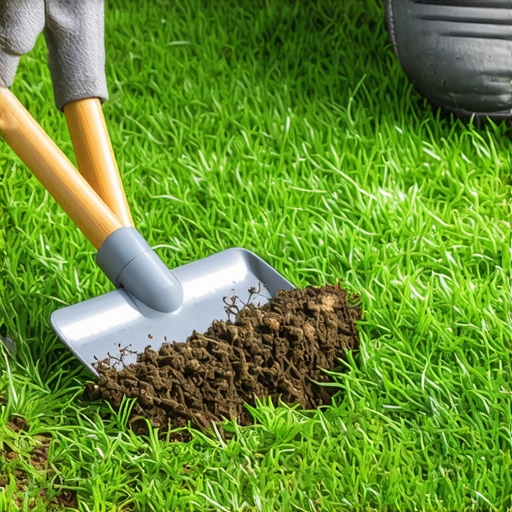
- The Waste Removal: Use a hand spade or a trenching shovel to remove the ‘ribbon’ of grass and soil. This waste should be composted, not left on the driveway.
- Refining the Trench: Ensure the bottom of the trench is clear of debris to prevent ‘soil bridges’ that allow roots to cross.
How deep should a lawn edge be?
For most cool-season grasses like Kentucky Bluegrass or Fescue, a depth of 2 to 3 inches is mandatory. This depth is specifically calculated to sever the primary rhizome network which typically resides in the top 2 inches of the soil profile. Shallow edges are purely cosmetic and will fail within weeks as the grass grows underneath the cut. Deep edges also facilitate better moisture management by preventing water runoff from the hardscaping from pooling on the turf surface.
What is the best time of year to edge a lawn?
The ideal window for manual edging is early spring when soil moisture is at field capacity. This reduces the PSI required to penetrate the soil and ensures the grass is in a high-growth phase, allowing the severed roots to seal quickly. Avoid edging during mid-summer droughts. The high heat combined with the exposed root face can cause localized ‘browning out’ or crown death due to rapid moisture loss. If you must edge in summer, irrigate the area 24 hours prior to soften the soil and hydrate the root zone.
“Effective lawn care requires understanding the mechanical properties of the soil; manual aeration and edging reduce the bulk density at the transition zone, promoting healthier microbial activity.” – Agronomy Journal Standards
Soil Physics and Edge Maintenance
The longevity of your edge depends on the hydrostatic pressure of the surrounding soil. In heavy clay soils, the edge will hold its shape for months. In sandy loams, you may experience ‘slumping.’ To combat this, maintain a ‘V-trench’ profile rather than a simple slit. This structural shape uses the surrounding soil’s own weight to keep the wall upright. Do not use chemical edgers or non-selective herbicides to maintain the line. These chemicals leach into the root zone of your desired turf, creating a ‘dead zone’ that eventually erodes, ruining the crisp line you worked to achieve. Stick to mechanical maintenance. Re-edge twice a year: once in spring and once in late fall before the ground freezes. This prevents the winter heave from pushing turf back into your garden beds.
The Longevity Factor
An edge is not a ‘set and forget’ feature. It is a living part of the landscaping. After the initial cut, check the line after heavy rain events. If you see silt accumulating in the trench, clear it. This silt acts as a medium for weed seeds like crabgrass to germinate. By keeping the trench clean, you maintain the air barrier that stops turf roots. It’s simple biology. Roots need soil to grow. No soil, no growth. That is the secret the mow-and-blow guys won’t tell you because they’d rather spray poison and leave. Do the work. Respect the soil. The results will speak for themselves. You don’t need a motor to get a professional result. You need a sharp blade and an understanding of the earth beneath your feet. Use the tool correctly and the edge will last. Skip the details and you’ll be back out there in two weeks fixing a mess. Precision matters. Engineering matters. The edge is everything.
![Stop 2026 Lawn Patchiness with This $30 Seed Hack [Fix]](https://lawnmajesty.com/wp-content/uploads/2026/05/Stop-2026-Lawn-Patchiness-with-This-30-Seed-Hack-Fix.jpeg)

![Why Your 2026 Grass Seed Isn't Growing [Soil Fix]](https://lawnmajesty.com/wp-content/uploads/2026/06/Why-Your-2026-Grass-Seed-Isnt-Growing-Soil-Fix.jpeg)