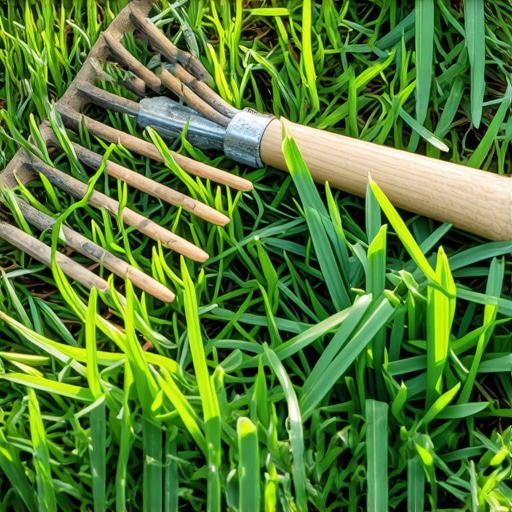
Stop 2026 Lawn Patchiness with Proper Over-Seeding
The Chemical Nightmare: Why Most Homeowner Fixes Fail
Lawn patchiness and turf failure are often the result of improper chemical application and poor soil physiology rather than a simple lack of water. To ensure a dense, resilient lawn for the 2026 season, you must address soil compaction, thatch accumulation, and nutrient imbalances through calibrated core aeration and high-quality over-seeding.
I recently got called out to a property in the suburbs where the homeowner had effectively torched three-quarters of their front yard. They had applied a high-nitrogen 20-10-10 fertilizer during a 90-degree heatwave, followed by a generic ‘patch repair’ mix from a big-box store. The result was a chemical burn that decimated the existing Poa pratensis (Kentucky Bluegrass) and left the soil pH so acidic that nothing could germinate. They didn’t have a grass problem; they had a soil chemistry crisis. This is what happens when you treat your lawn like a decoration instead of a biological system. Most people see brown spots and think ‘water’ or ‘seed.’ I see hydrophobic soil, localized dry spots, and nutrient lockout. To fix this for 2026, we have to start from the dirt up. Stop buying ‘miracle’ fixes. Start measuring your cation exchange capacity.
“Successful over-seeding requires a minimum of 50% seed-to-soil contact. Without mechanical disturbance of the thatch layer, germination rates drop by nearly 80%.” – Agronomy Extension Manual, Section 4: Turfgrass Establishment
The Forensic Autopsy of a Dying Lawn
Patchy turf is rarely an isolated event; it is a symptom of anaerobic soil conditions or pathogenic fungal cycles. Diagnosing the root cause involves checking thatch depth and root architecture to determine if the lawn is actually absorbing the resources you provide. Use a soil probe. If your roots are less than 2 inches deep, your lawn is on life support. It will fail. Most lawns I see are suffocating under a layer of organic debris that acts like a raincoat, preventing moisture from reaching the rhizosphere. This leads to ‘puffiness’ in the spring and death in the summer. You need to excavate a small core. Is the soil gray and smelly? That’s compaction. Is it dry even after rain? That’s hydrophobicity.
How much grass seed do I need per 1000 square feet?
For standard over-seeding of existing turf, you should target 4 to 6 pounds of high-quality seed per 1000 square feet, depending on the cultivar and purity rating. If you are dealing with bare dirt patches, increase that rate to 8 or 10 pounds to ensure canopy closure before weed seeds can germinate. Do not guess. Measure your square footage. Over-applying seed leads to damping off, a fungal disease where too many seedlings compete for limited airflow and die simultaneously. It is a waste of money.
The Biome Logic: Selecting Genetic Winners
Choosing the correct turfgrass cultivar involves analyzing USDA hardiness zones and the NTEP (National Turfgrass Evaluation Program) data for your specific region. Do not buy ‘Contractor Mix’ seed; it is often loaded with annual ryegrass and weed-seed contaminants that will die the moment the first frost hits or the July sun bakes the ground. For 2026 resilience, look for endophyte-enhanced tall fescues or rhizomatous Kentucky Bluegrass. These varieties have been bred to resist brown patch and chinch bugs. They are tougher. They require less chemical intervention. You pay more upfront, but you don’t have to re-seed every eighteen months.
| Seed Type | Establishment Rate | Drought Tolerance | Best Use Case |
|---|---|---|---|
| Turf-Type Tall Fescue | Moderate | High | High-traffic residential lawns |
| Kentucky Bluegrass | Slow (Rhizomatous) | Moderate | High-end aesthetics, self-repairing |
| Perennial Ryegrass | Very Fast | Low | Emergency erosion control / Over-seeding |
| Fine Fescue | Moderate | High | Deep shade, low-mow areas |
The Mechanical Process: No Contact, No Grass
Seed-to-soil contact is the only metric that matters during the over-seeding process. You must mechanically scarify the surface using a power rake or a core aerator to break the surface tension of the soil. [image-placeholder] If the seed sits on top of a thatch layer, it will germinate, the root will hit the dry organic mat, and the plant will desiccate within 48 hours. I tell my crews: the soil should look like a mess before it looks like a lawn. You want holes. You want exposed dirt. You want the seed to fall into the macropores created by the aerator. This protects the seed from birds and keeps it in a high-humidity micro-environment.
“Core aeration is the primary cultural practice for managing soil compaction and improving gas exchange in the root zone.” – Penn State Center for Turfgrass Science
When is the best time to over-seed a lawn for 2026?
The optimal window for over-seeding is late summer to early fall, specifically when soil temperatures are between 50 and 65 degrees Fahrenheit. This allows the root system to establish for 60 to 90 days before the ground freezes, ensuring the plant has enough stored carbohydrates to survive the winter and thrive in 2026. Spring seeding is a fool’s errand. You are fighting crabgrass pressure and rising heat. Most spring seedlings don’t survive the first week of July. Wait for the fall.
The 2026 Resilience Checklist
- Soil Test First: Determine your pH, Phosphorus (P), and Potassium (K) levels. Adjust to a pH of 6.5.
- Mow Low: Scale your existing grass down to 1.5 or 2 inches to reduce competition for the new seedlings.
- Core Aeration: Pull at least 20 to 40 plugs per square foot. Ensure the plugs are at least 3 inches deep.
- Seed Calibration: Use a broadcast spreader calibrated to the specific bulk density of your seed mix.
- The 1-Inch Rule: Water 1 inch per week, but split it into light, frequent sessions for the first 21 days. Keep the surface moist, not flooded.
- Starter Fertilizer: Use a high-phosphorus (e.g., 10-20-10) fertilizer to encourage rapid primary root development.
Maintenance: The First 365 Days
Once the seed is in the ground, the work actually begins. You must resist the urge to mow too early. Let the new tillers reach 3.5 inches before the first cut. Use a sharp blade. A dull blade will pull the young plants straight out of the ground. After the second mow, shift your irrigation strategy from frequent misting to deep, infrequent watering. You want to force those roots to chase the water down into the subsoil. If you keep the surface wet, the roots stay shallow. Shallow roots mean a dead lawn in 2026. Don’t be the homeowner who does all the work and then fails on the follow-through. Stay off the lawn. Keep the dogs off it. Give the biology time to work. It’s a slow process. Don’t rush it.
![Fix Patchy Bermuda: 3 Nitrogen Timing Rules [2026]](https://lawnmajesty.com/wp-content/uploads/2026/06/Fix-Patchy-Bermuda-3-Nitrogen-Timing-Rules-2026.jpeg)