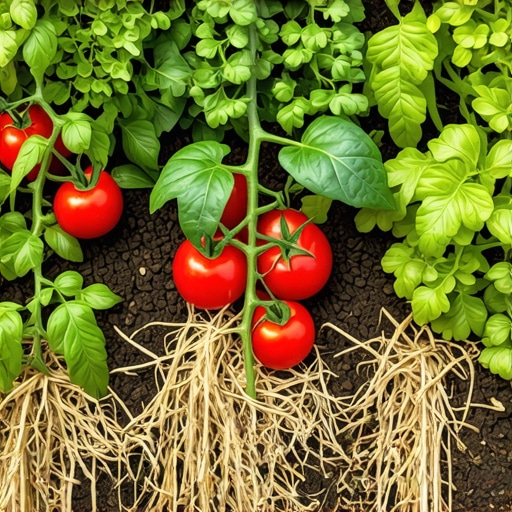
Stop 2026 Garden Pests with Proper Soil Care
The Chemical Nightmare: Why Your 2025 Lawn Failed
I recently walked onto a property that smelled like a swimming pool and looked like a desert. The homeowner had spent three months dumping high-nitrogen synthetic fertilizers and broad-spectrum insecticides onto a patch of Kentucky Bluegrass in a desperate attempt to stop a grub infestation. Instead of fixing the problem, they had effectively sterilized the top six inches of the soil profile. The grass was scorched, the earthworms were dead, and the Japanese Beetle larvae were actually thriving because the natural predators—the beneficial nematodes and fungal pathogens—had been wiped out by the chemical onslaught. It was a textbook case of a ‘chemical nightmare’ where the cure was deadlier than the disease. If you want to stop 2026 garden pests, you have to stop looking at the bug and start looking at the dirt. This isn’t about spraying; it is about engineering a subterranean environment that is hostile to invaders but hospitable to plant life.
How Soil Quality Directly Controls Garden Pest Populations
Proper soil care prevents pests by optimizing the plant’s Systemic Acquired Resistance (SAR) through nutrient balance and beneficial microbial populations. Healthy soil creates thick cell walls that piercing-sucking insects cannot penetrate, while maintaining a pH range of 6.2 to 7.0 ensures nutrient availability that prevents plant stress-induced pheromone signals. When a plant is stressed by poor soil, it emits specific infrared signatures and chemical volatiles that act as a dinner bell for pests. Fix the soil, and you turn off the signal.
The Microscopic Reality of Soil Compaction
Compaction is the silent killer in landscaping. When you have high foot traffic or heavy machinery moving over a garden bed, you crush the macro-pores and micro-pores in the soil. This leads to anaerobic conditions. Most garden pests, particularly root-rotting fungi and certain larval stages of beetles, thrive in low-oxygen environments. In contrast, your plant roots require oxygen for cellular respiration. Without it, the root tips die, rot sets in, and the plant becomes a weak target. You need to achieve a bulk density of less than 1.5 grams per cubic centimeter for most silt loam soils. If your soil is as hard as a brick, your plants are already dying. Don’t skip the aeration. It is the only way the soil can breathe.
“Integrated Pest Management (IPM) begins with cultural controls, primarily the management of soil texture and fertility to minimize plant stress and reduce the carrying capacity for arthropod pests.” – Penn State Extension Agronomy Manual
Nitrogen Loading: The Aphid Invitation
One of the biggest mistakes I see new crew members make is over-applying nitrogen. We call it ‘pushing’ the plant. Yes, the plant turns dark green and grows fast, but that growth is structurally weak. The cell walls are thin and loaded with succulent sap. Aphids, mites, and scales have specialized mouthparts designed specifically to pierce these weak cell walls. By maintaining a balanced NPK ratio (Nitrogen, Phosphorus, Potassium) based on a legitimate soil test—not a guess—you ensure the plant develops a thick cuticle. Potassium, in particular, is responsible for thickening cell walls and regulating stomatal opening, which provides a physical barrier against infection and infestation.
The Forensic Breakdown of Soil Deficiencies and Pests
Below is a technical comparison of how specific soil imbalances lead to specific pest outbreaks. Ignoring these ratios is an invitation for disaster.
| Soil Condition | Primary Pest Risk | Biochemical Trigger |
|---|---|---|
| High Nitrogen / Low Potassium | Aphids, Mites, Thrips | Thin cell walls and high sugar content in xylem. |
| Calcium Deficiency | Slugs, Snails, Root Maggots | Weakened structural pectins in plant tissue. |
| Anaerobic (Compacted) Soil | Fungus Gnats, Root Rot (Phytophthora) | Accumulation of ethanol and CO2 in the root zone. |
| Extreme pH (Below 5.5) | Wireworms, Cutworms | Reduction in predatory microbial activity. |
How do I test soil pH at home?
You can use a digital probe or a chemical reagent kit, but for professional results, you must take a composite sample. Dig 6 inches deep in twelve different spots across your garden, mix the soil in a clean plastic bucket, and send a sub-sample to a local university extension lab. They use Mehlich-3 extraction methods to give you a precise breakdown of cation exchange capacity (CEC) and base saturation. Do not rely on cheap color-change strips from the hardware store. They are notoriously inaccurate. Your target for most ornamental landscapes is 6.5 pH. If you are at 5.0, your plants cannot uptake magnesium, and they will be defenseless against leaf miners.
The Step-by-Step Soil Remediation Checklist
Follow this protocol during the dormant season to ensure your 2026 growing season is protected from the ground up.
- De-compact the Root Zone: Use a broadfork or core aerator to introduce oxygen without flipping the soil horizons.
- Incorporate Biochar: This high-carbon material provides a permanent ‘coral reef’ for beneficial microbes to inhabit.
- Top-dress with High-Quality Compost: Apply 1/2 inch of leaf-mold compost to introduce predatory nematodes that eat grub larvae.
- Mineralize the Soil: Add rock dust or greensand to provide trace minerals like silica, which physically hardens the plant’s exterior.
- Mulch Correctly: Use arborist wood chips, not dyed mulch. Keep it 3 inches deep but away from the trunk flare.
What nutrients prevent garden pests?
Silica and Potassium are the primary ‘defensive’ nutrients. Silica is often overlooked, but it is incorporated into the plant’s cell walls to create a literal glass-like barrier that wears down the mandibles of chewing insects. Trace minerals like Zinc and Copper also play roles in enzyme production that catalyze the plant’s natural pesticide synthesis. Without these micronutrients, the plant’s immune system is effectively offline.
“A plant is only as healthy as the soil’s ability to provide a balanced buffet of minerals; water-logged or nutrient-imbalanced soils are the primary drivers of secondary pest infestations.” – Texas A&M AgriLife Research
Year One: The Settling-In Period
When you fix your soil, don’t expect the pests to vanish in twenty-four hours. You are rebuilding a biological engine. In the first year, you might even see a temporary increase in certain ‘shredder’ insects as they break down the new organic matter you’ve added. This is normal. The tamper should bounce off the compacted base of a patio, but it should never touch your garden beds. Avoid walking on your soil. Every footprint collapses the habitat of the very microbes you are trying to recruit. By 2026, the soil structure will have stabilized, the fungal-to-bacterial ratio will have balanced, and your reliance on external pesticides will drop to near zero. It is a long game. Play it like a pro.
![Stop Killing Your 2026 Boxwoods [Pruning Fix]](https://lawnmajesty.com/wp-content/uploads/2026/09/Stop-Killing-Your-2026-Boxwoods-Pruning-Fix.jpeg)
![Why Your 2026 Compost Pile isn't Breaking Down [Fix]](https://lawnmajesty.com/wp-content/uploads/2026/06/Why-Your-2026-Compost-Pile-isnt-Breaking-Down-Fix.jpeg)