Stop 2026 Lawn Patchiness with Overseeding Tips
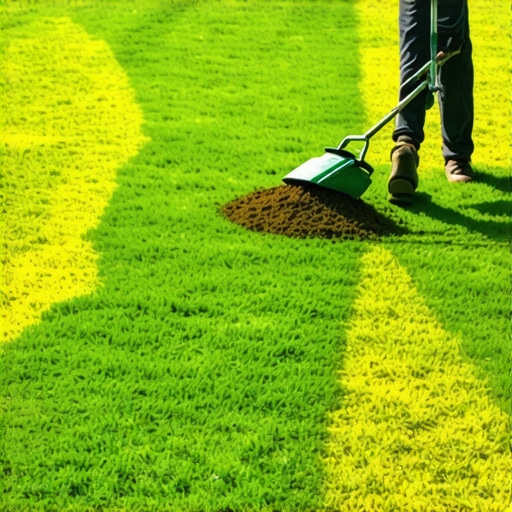
I recently walked onto a property where a homeowner had spent eight hundred dollars on premium weed and feed only to watch their yard turn into a brown, crispy graveyard within two weeks. They were frantic, thinking a fungus had moved in overnight. The reality was a chemical nightmare. They had applied high nitrogen fertilizer during a heat spike onto soil with a pH of 5.2. This created a toxic salt burn that effectively mummified the root systems of their fescue. It was a classic case of trying to medicate a symptom without diagnosing the structural biology of the ground. That yard did not need chemicals; it needed a fundamental reset of its soil architecture and a professional overseeding strategy to break the cycle of patchiness that had plagued it for three seasons.
The Forensic Autopsy of a Failing Lawn
Most patchy lawns are the result of soil compaction, thatch accumulation, and nutrient lockout caused by improper pH levels. Addressing these structural issues through core aeration and high quality overseeding is the only way to establish a resilient, uniform turf canopy that can withstand the stresses of the 2026 growing season. If you ignore the subsurface mechanics, you are simply throwing expensive seed onto a concrete floor.
When we look at a failing yard, we see more than just brown spots. We see a struggle for pore space. Turf grass requires a soil matrix that is roughly fifty percent solid material, twenty five percent air, and twenty five percent water. In most residential lots, especially those in new developments, the soil is compacted to a density that rivals most driveways. This compaction creates an anaerobic environment where beneficial microbes die off and pathogenic fungi thrive. Before you buy a single bag of seed, you must understand that the soil is a living organism. If you do not provide it with the mechanical means to breathe, your overseeding efforts will fail within six months.
“Soil compaction is the single most common cause of turf failure in residential landscapes because it restricts the movement of air, water, and nutrients to the root zone.” – Penn State Center for Turfgrass Science
Why is my grass patchy in the spring?
Spring patchiness is usually the delayed result of root desiccation or fungal pathogens like snow mold that took hold during the previous autumn. When turf grass enters dormancy with a weak root system or excessive thatch buildup, it lacks the carbohydrate reserves needed to push new growth through the soil surface in March. This creates the thinning appearance homeowners dread.
The Chemical Wall: Soil pH and Cation Exchange
You cannot grow a high end lawn in acidic soil. It is chemically impossible. When your soil pH drops below 6.0, the essential nutrients like phosphorus and magnesium become chemically bound to soil particles. They are there, but the plant cannot touch them. This is known as nutrient lockout. I tell my crew every day that applying fertilizer to acidic soil is like trying to feed a man through a locked door. You have to unlock the door first with pelletized calcitic lime.
| Grass Species | Ideal pH Range | Drought Tolerance | Mowing Height (Inches) |
|---|---|---|---|
| Tall Fescue | 6.0 to 7.0 | High | 3.0 to 4.0 |
| Kentucky Bluegrass | 6.5 to 7.2 | Medium | 2.0 to 3.0 |
| Perennial Ryegrass | 6.0 to 7.0 | Low | 1.5 to 2.5 |
| Fine Fescue | 5.5 to 6.5 | Medium | 2.5 to 3.5 |
The table above illustrates the tight tolerances required for different cultivars. If you are mixing species without checking your soil chemistry, you are setting up a biological civil war in your front yard. We prefer Tall Fescue for its deep taproots, but it will not tolerate the low mowing heights that many homeowners insist on using. Scalping your lawn is the fastest way to invite crabgrass and clover into the bare spots.
What is the best month to overseed a lawn?
The optimal window for overseeding is late August through September when soil temperatures are between 50 and 65 degrees Fahrenheit. This allows the seedlings to establish a root system without the competition of summer weeds or the stress of extreme heat. Spring seeding is a gamble that usually ends in failure when the first July heatwave hits.
Mechanical Preparation: The Core Aeration Mandate
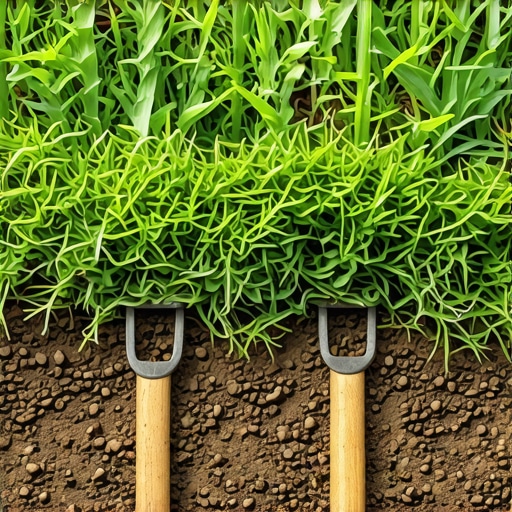
Do not use those spike aerators you see at the big box stores. They do nothing but push the soil sideways, actually increasing compaction around the hole. You need a commercial grade core aerator that pulls a physical plug out of the ground. These plugs should be at least three inches deep. By removing these cores, you create an immediate channel for oxygen and water to reach the rhizosphere. This is where the magic happens. The surrounding soil will begin to expand into these voids, naturally loosening the entire yard over several weeks.
Checklist for Overseeding Success:
- Perform a soil test to determine NPK and pH levels.
- Mow the existing grass to a height of two inches to allow light to reach the soil.
- Core aerate the entire area, making at least two passes in different directions.
- Apply pelletized lime if pH is below 6.2.
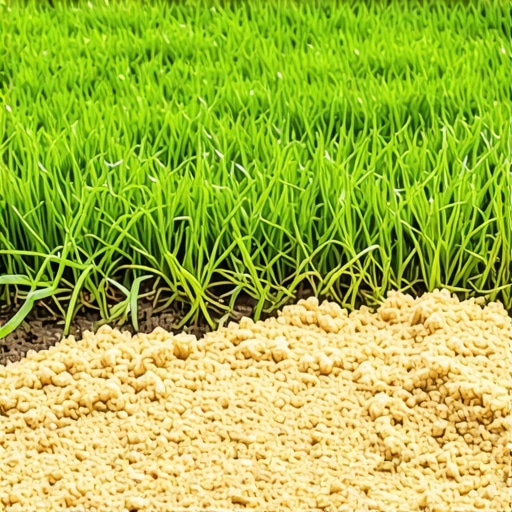
- Broadcast high quality seed at a rate of 5 to 7 pounds per 1000 square feet.
- Apply a starter fertilizer with high phosphorus to encourage root development.
- Water twice daily for 15 minutes until the seed reaches two inches in height.
Seed Selection: Why Big Box Brands are Garbage
I am going to be blunt: the seed you buy at a warehouse club is full of filler and weed seeds. If you look at the back of a cheap bag, you will often see 1 percent weed seed and 5 percent inert matter. That doesn’t sound like much until you realize that is thousands of weed seeds per bag. We only use NTEP rated (National Turfgrass Evaluation Program) cultivars. These are seeds that have been bred for disease resistance, color, and drought tolerance. Look for endophyte enhanced seed. Endophytes are beneficial fungi that live inside the grass plant and produce toxins that kill surface feeding insects like chinch bugs and sod webworms. It is built in pest control that doesn’t require a sprayer.
“The success of a lawn renovation depends more on the preparation of the seedbed than on the quantity of seed applied.” – University of Maryland Extension
When you spread your seed, ensure seed to soil contact. If the seed is sitting on top of a layer of dead grass or thatch, it will germinate and then immediately dry out and die. It needs to be tucked into the soil or the aeration holes. This is why we often use a power seeder or vertical mower for high end jobs. It cuts small grooves into the earth, placing the seed at the perfect depth for maximum survival rates.
The Water Management Protocol: Avoid the Shallow Root Trap
The biggest mistake homeowners make is watering their lawn for ten minutes every single day. This is a death sentence for turf. It keeps the top half inch of soil moist, which encourages the roots to stay right at the surface. When the sun comes out, that top layer bakes, and the roots cook. You want to force the roots to chase the water down deep into the profile.
Once your new seed is established, switch to deep, infrequent watering. Your lawn needs exactly one inch of water per week, delivered in one or two heavy sessions. This mimics natural rainfall patterns and builds a root system that can survive a 2026 drought. If you can’t push a screwdriver six inches into your soil, it is too dry. It is that simple. Don’t overcomplicate it with smart controllers that don’t account for soil density.
The Long Game: Maintenance and Year One Expectations
After you have overseeded, do not apply a pre emergent weed control for at least sixty days. These chemicals do not know the difference between a crabgrass seed and your expensive new fescue. You will kill your entire investment. Focus on nitrogen management. A slow release nitrogen application in late November will feed the roots all winter long without forcing surge growth that leads to disease. By the time 2026 rolls around, you won’t be looking at patches; you will be looking at a dense, competitive ecosystem that chokes out weeds naturally. Landscaping is not about what you add to the yard; it is about how you manage the biology that is already there. Stop treating your lawn like a decoration and start treating it like a living engineering project. [{“@context”:”https://schema.org”,”@type”:”HowTo”,”name”:”How to Overseed a Patchy Lawn”,”step”:[{“@type”:”HowToStep”,”text”:”Test soil pH and nutrient levels.”},{“@type”:”HowToStep”,”text”:”Mow existing grass to 2 inches.”},{“@type”:”HowToStep”,”text”:”Core aerate the soil to a depth of 3 inches.”},{“@type”:”HowToStep”,”text”:”Spread NTEP rated grass seed at 6 lbs per 1000 sq ft.”},{“@type”:”HowToStep”,”text”:”Apply starter fertilizer and water twice daily.”}]}]