

Best 2026 Fertilizer for Dark Green Fescue Lawns
The Anatomy of a Burnt Lawn: A Chemical Autopsy
To achieve a dark green fescue lawn in 2026, you must prioritize slow-release nitrogen (specifically 30-50% water-insoluble nitrogen), high chelated iron content, and microbial catalysts like mycorrhizae. Avoid high-salt, quick-release synthetic fertilizers that cause surge growth and root atrophy. Most homeowners fail because they chase top-growth rather than root-density and soil health.
A homeowner called me in a panic after they completely torched their front lawn by applying a 10-10-10 agricultural-grade fertilizer on a 90-degree afternoon. They wanted that deep green look, but instead, they got a straw-colored graveyard. The salt index in that cheap bag was so high it literally sucked the moisture out of the cell walls of the grass blades through a process known as osmotic stress. I had to explain that fescue is a cool-season grass with a very specific metabolic threshold. This was not a gardening mistake: it was a chemical massacre. We had to core-aerate, flush the soil with heavy irrigation to leach out the salts, and restart with a carbon-based bridge product. Don’t be that homeowner. [image_placeholder]
The Science of the Green: Why Nitrogen Alone Fails
Nitrogen is the engine of plant growth, but it is not the only factor in color. To get that midnight-green fescue, you need to manage the chlorophyll density without over-stimulating the plant. Fescue, specifically Festuca arundinacea, requires a steady diet, not a feast-and-famine cycle. In 2026, the industry has shifted toward polymer-coated urea (PCU) and sulfur-coated urea (SCU) that release nutrients based on soil temperature and moisture rather than just water contact. This prevents the ‘mow-every-three-days’ nightmare while maintaining a steady color profile.
“A lawn is a living, breathing biological system; if you ignore the soil microbiome while applying synthetic salts, you are effectively putting your turf on life support.” – Agronomy Field Manual 2024
How much fertilizer do I need for a fescue lawn?
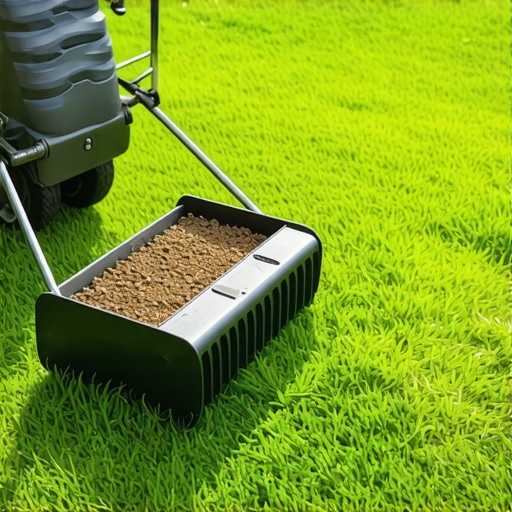
Standard fescue maintenance requires approximately 3 to 4 pounds of actual nitrogen per 1,000 square feet per year. This should be split into four applications: two in the fall (the heavy hitters), one in the spring, and a light ‘bridge’ application of iron-heavy organics in the summer. Use a professional-grade broadcast spreader to ensure even distribution. Skimping on the spreader is the fastest way to get ‘tiger stripes’ on your lawn.
The 2026 Material Comparison Table
| Fertilizer Type | NPK Ratio | Release Rate | Primary Benefit |
|---|---|---|---|
| Synthetic Slow-Release | 24-0-4 | 12-16 Weeks | Consistent color, minimal surge growth |
| Organic Bridge Product | 10-0-1 | 8-10 Weeks | Feeds soil microbes and adds carbon |
| Liquid Iron (Foliar) | 0-0-0 + 6% Fe | Instant | Deep green without growth surge |
| Bio-Inoculant Starter | 5-10-5 | 6 Weeks | Rapid root establishment during overseeding |
The Role of Micronutrients and Soil pH
You can throw all the nitrogen in the world at a lawn, but if your soil pH is 7.5, that grass will stay lime-green. Why? At higher pH levels, iron becomes chemically locked in the soil and unavailable to the plant. Fescue thrives in a pH range of 6.0 to 6.8. If you are struggling with color, stop buying fertilizer and buy a soil test. High-end 2026 fescue blends now include humic and fulvic acids to help bridge this gap, acting as chelators that pull minerals into the root system even in sub-optimal soil conditions. Iron (Fe) and Magnesium (Mg) are the central atoms in the chlorophyll molecule. Without them, photosynthesis slows, and the color fades. It is biology, not magic.
When should I apply 2026 fescue fertilizers for maximum color?
The most critical application for fescue color is the late fall ‘winterizer’ when the plant is storing carbohydrates in the roots. In 2026, we focus on high-potassium (K) blends during this phase to increase cell wall thickness, which helps the grass survive the winter and emerge with a dark green hue in early spring. Avoid heavy nitrogen in late spring; you will only invite Brown Patch fungus once the humidity kicks in.
“The goal of fertilization is not to force growth, but to support the plant’s natural ability to withstand environmental stressors.” – Penn State Agricultural Extension
Professional Fescue Care Checklist
- Conduct a soil test every two years to check pH and phosphorus levels.
- Clean your spreader after every use to prevent salt corrosion.
- Calibrate your equipment: never trust the setting on the bag.
- Water in synthetic fertilizers with at least 0.25 inches of water immediately after application.
- Never apply fertilizer to a dormant or heat-stressed lawn.
- Maintain a mowing height of 3.5 to 4 inches to protect the root crown.
Engineering the Root Zone
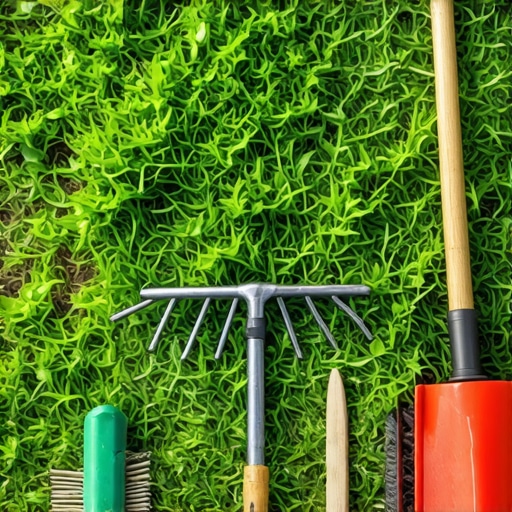
Compaction is the enemy of nutrient uptake. If your soil is hard-packed clay, those expensive 2026 fertilizers are just going to wash off into the storm drain. I tell my crew: if you can’t push a screwdriver six inches into the ground with ease, your grass is suffocating. Mechanical core aeration is non-negotiable. By pulling those 3-inch plugs, you create a direct highway for oxygen, water, and fertilizer to reach the root zone. This is where the engineering of a landscape meets the biology of the plant. A well-aerated lawn can survive on 30% less fertilizer because the uptake efficiency is so much higher. Don’t be a hack: fix the soil structure before you blame the product. [{“@context”: “https://schema.org”, “@type”: “Article”, “headline”: “Best 2026 Fertilizer for Dark Green Fescue Lawns”, “author”: {“@type”: “Person”, “name”: “Veteran Horticulturist”}, “datePublished”: “2024-05-20”, “description”: “Expert guide on selecting 2026 fescue fertilizers, focusing on soil chemistry, NPK ratios, and professional application techniques for a deep green lawn.”}, {“@context”: “https://schema.org”, “@type”: “FAQPage”, “mainEntity”: [{“@type”: “Question”, “name”: “How much fertilizer do I need for a fescue lawn?”, “acceptedAnswer”: {“@type”: “Answer”, “text”: “Standard fescue maintenance requires approximately 3 to 4 pounds of actual nitrogen per 1,000 square feet per year, split into four applications.”}}, {“@type”: “Question”, “name”: “When is the best time to fertilize fescue?”, “acceptedAnswer”: {“@type”: “Answer”, “text”: “The most critical times are early fall and late fall, with a light application in early spring to support the growing season.”}}]}]
![Stop 2026 Clay Soil Compaction [Aeration Tips]](https://lawnmajesty.com/wp-content/uploads/2026/06/Stop-2026-Clay-Soil-Compaction-Aeration-Tips.jpeg)