![Fixing 2026 Loose Paver Edging [Easy Fix]](https://lawnmajesty.com/wp-content/uploads/2026/09/Fixing-2026-Loose-Paver-Edging-Easy-Fix.jpeg)
Fixing 2026 Loose Paver Edging [Easy Fix]
The Anatomy of a Failing Paver Edge
Loose paver edging is caused by lateral displacement and base erosion, typically due to improper edge restraint or failed polymeric sand joints. To fix it, you must clear debris, reset the edge restraint, and apply high-quality polymeric sand that meets ASTM C144 standards to lock the system back into a monolithic state. Ignoring a single loose paver is like ignoring a loose brick in a dam; eventually, the whole system gives way to hydrostatic pressure.
I recently got called out to tear up a $30,000 patio that was sinking because the previous contractor skipped the compaction of the sub-base and used cheap plastic edging held down by 6-inch nails in sandy soil. The entire perimeter had migrated three inches outward, allowing the bedding sand to wash out into the lawn. It was a forensic disaster. This is why I tell my crew that hardscaping is 90 percent what you do not see and 10 percent what you do. If the edge fails, the patio is just a pile of expensive concrete blocks.
“A retaining wall doesn’t fail because of the stone; it fails because of the water trapped behind it.” – Hardscape Engineering Axiom
Why Your Paver Edging is Spreading
The primary enemy of any hardscape is lateral movement. When you walk on a patio, or when the freeze-thaw cycles of a 2026 winter hit, the pavers want to push outward. If your edge restraint is not pinned into the compacted aggregate base, it will move. We are talking about physics here. The moment a gap opens up between the paver and the edge, water enters. Water is a solvent. It will carry your bedding sand away. Once that sand is gone, the paver loses its support and begins to rock. It is a death spiral for your garden design.
| Material Component | Function in Edging | Failure Symptom |
|---|---|---|
| Modified Gravel Base | Load Bearing & Drainage | Sunken or dipped pavers |
| Edge Restraint (PVC/Steel) | Lateral Stability | Gaps opening at perimeter |
| Polymeric Sand | Joint Stabilization | Ant hills or weed growth |
| 10-inch Steel Spikes | Anchoring | Edging lifting above grade |
How much modified gravel do I need for a patio base?
For a standard pedestrian patio, you need a minimum of 4 to 6 inches of compacted 21A or 57 stone to ensure stability and drainage. This base must extend at least 6 inches beyond the actual paver edge to provide a shelf for the edge restraint to be spiked into. Most DIYers stop the base right at the paver line. That is a critical error. Without that extra shelf of gravel, your spikes are just going into soft topsoil. They will pull out the first time the ground freezes. Don’t skip the extra dig.
The Easy Fix: Step-by-Step Remediation
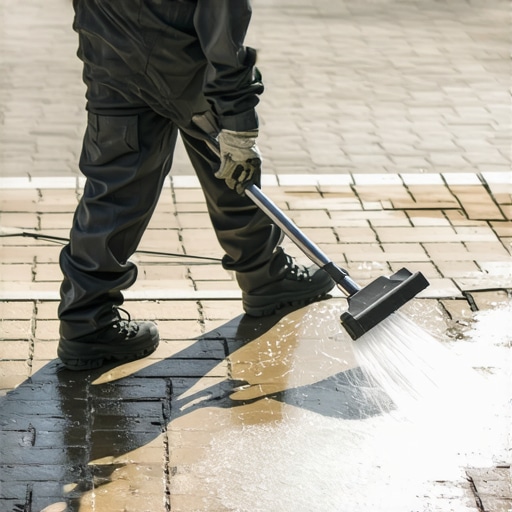
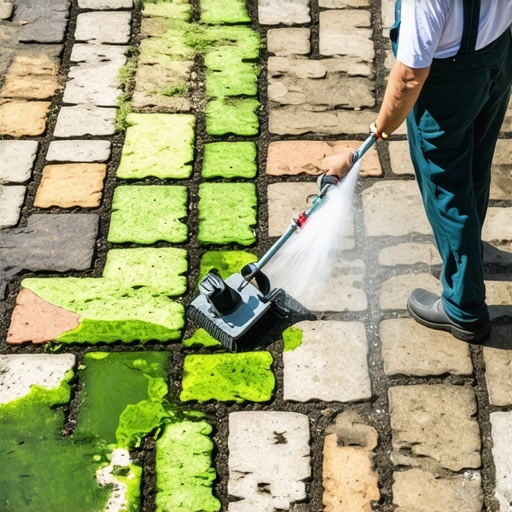
- Clear the Joint: Use a pressure washer or a stiff brush to remove all old sand and organic debris from the loose paver area. It must be bone dry before you continue.
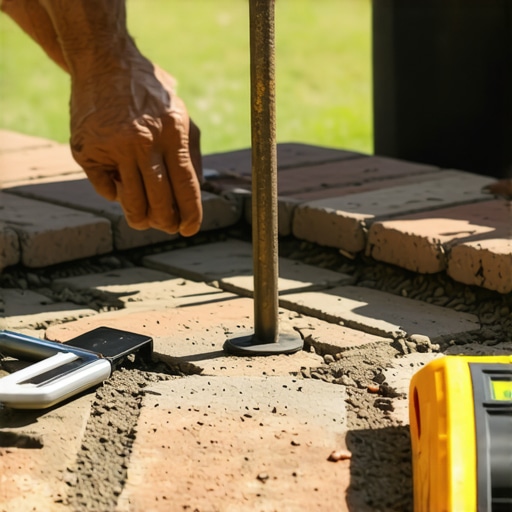
- Reset the Restraint: Pull back the mulch or soil. If the plastic edging is bent, replace it. Use 10-inch spiral steel spikes. Space them every 12 inches. Do not use 6-inch nails.
- Infill with Bedding Sand: If the paver has sunk, lift it and add a small amount of coarse bedding sand to bring it back to grade. Level it.
- Apply Polymeric Sand: Sweep in a high-quality polymer-modified sand. Vibrate the pavers with a rubber mallet to ensure the sand settles to the bottom of the joint.
- Hydrate: Mist the sand according to the manufacturer’s spec. Do not flood it. You want to activate the polymers, not wash them away.
What is the best sand for paver joints in 2026?
While the internet tells you to use play sand or stone dust, these materials have zero structural integrity. You must use polymeric sand specifically formulated for your joint width. Modern polymers are designed to remain flexible while being impermeable to water. This prevents the washout that leads to loose edging. Look for brands that specify compliance with ICPI standards. Cheap sand is just dirt that has not met its potential yet. It will fail. Spend the money on the high-end stuff.
“Pavement failure often initiates at the edge where lateral confinement is lowest.” – ICPI Tech Manual
Maintenance and Long-Term Stability
After you have performed the fix, you need to manage the transition zone between your landscaping and your hardscape. This is where the lawn care side of things matters. Do not scalp the grass right up against the pavers. This removes the root structure that helps hold the soil in place against the edge restraint. Keep your mower height at least 3 inches. High-nitrogen fertilizers can also be corrosive to certain low-quality concrete pavers if left to sit on the surface. Sweep your patio after treating the lawn. It is simple chemistry.
How do I prevent weeds in paver edges?
Weeds do not grow from the bottom up; they grow from the top down. Seeds blow into the cracks, find a bit of organic matter, and take root. If your polymeric sand is properly installed and maintained, there is no place for the seed to bed down. If you see weeds, it means your sand has eroded or reached the end of its life cycle. Re-sanding is a maintenance task, just like changing the oil in your truck. Do it every three to five years to protect your investment.
![Repair 2026 Cracked Concrete Walkways for $40 [Fast]](https://lawnmajesty.com/wp-content/uploads/2026/05/Repair-2026-Cracked-Concrete-Walkways-for-40-Fast.jpeg)