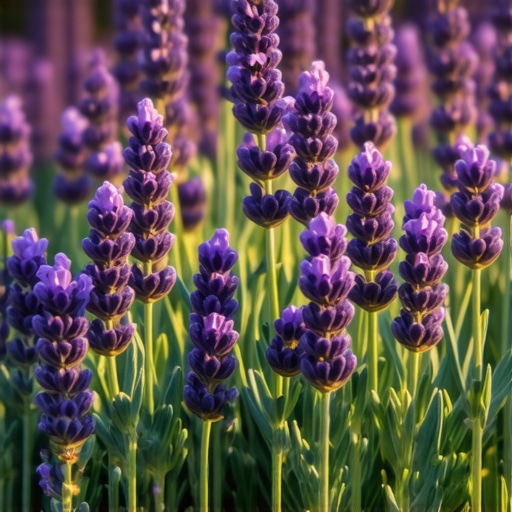
The secret to growing lush lavender
The Hard Reality of Mediterranean Perennials: A Lesson from the Field
I always drill into my new crew members: if you don’t fix the soil grading first, every plant you put in the ground is just expensive compost. I have seen countless homeowners and amateur landscapers dump hundreds of dollars into premium Lavandula angustifolia only to watch the plants turn into gray, mushy corpses by the first heavy rain of July. The problem isn’t the plant; it is the installer’s failure to understand the fundamental physics of the root zone. Lavender does not die from neglect; it dies from kindness. It dies from high-nitrogen fertilizers, heavy clay, and stagnant water. To grow lavender that actually survives more than one season, you have to stop treating it like a garden flower and start treating it like a high-altitude sub-shrub that lives in rocky, nutrient-depleted soil.
The Foundation of Drainage: Why Your Soil is Killing Your Plants
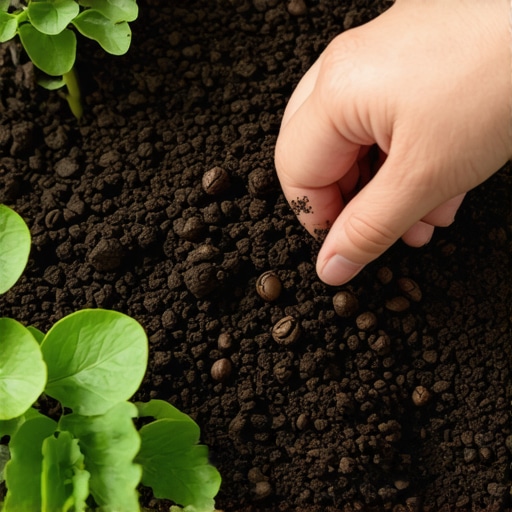
The secret to growing lush lavender is maintaining a soil pH between 7.0 and 8.0 while ensuring rapid-cycle drainage that prevents water from lingering around the root flare. Most residential yards in the United States suffer from heavy compaction or high clay content, which creates a bathtub effect that suffocates lavender roots within 48 hours of a heavy downpour. You cannot fix this by digging a small hole and throwing in some potting soil. You fix it by modifying the entire planting bed or building a raised berm to escape the hydrostatic pressure of the surrounding ground. [IMAGE_PLACEHOLDER]
“Lavender requires a soil pH between 6.7 and 7.3 for optimal nutrient uptake and root health. Anything lower than 6.5 often results in stunted growth and eventual vascular collapse.” – University of California Agriculture and Natural Resources
How do I improve soil drainage for lavender?
To improve drainage for lavender plants, you must integrate coarse horticultural grit or crushed limestone into the soil at a ratio of 30 percent aggregate to 70 percent soil. This increases the macro-pore space, allowing oxygen to reach the roots and preventing the anaerobic conditions that favor fungal pathogens like Phytophthora. Do not use sand unless it is coarse builder’s sand, as fine sand can mix with clay to create a substance resembling concrete.
| Lavender Variety | Hardiness Zone | Preferred Soil Type | Maximum Height |
|---|---|---|---|
| English (Munstead) | 5-9 | Alkaline/Well-drained | 18-24 inches |
| French (Dentata) | 8-11 | Sandy Loam | 24-36 inches |
| Spanish (Stoechas) | 7-9 | Gravelly/Dry | 12-18 inches |
| Hybrid (Grosso) | 6-10 | Variable/Lean | 30-36 inches |
The Construction Phase: Soil Chemistry and Mineralogy
Most garden design amateurs reach for the 10-10-10 fertilizer the moment a plant looks peaked. With lavender, that is a death sentence. High nitrogen levels force rapid, succulent growth that lacks the structural integrity to withstand winter frost or summer humidity. The silver-green foliage of the plant is an evolutionary adaptation to reflect intense sunlight and conserve moisture; it is not a sign that the plant needs more water. I tell my crews to look at the soil mineralogy. We are looking for high calcium content and low organic matter. Lavender evolved in the limestone-rich soils of the Mediterranean. If your soil is acidic, you must top-dress with pelletized lime twice a year. Use a digital pH probe. Don’t guess. Guessing is how you end up with a dead hedge.
What is the best fertilizer for lavender?
The best fertilizer for lavender is actually no fertilizer at all, or a very light application of bone meal or crushed oyster shells in early spring. Avoid any product with a high nitrogen (N) rating, as this will lead to woody, leggy plants that split open in the center and lose their aesthetic value within three years. Focus on potassium and phosphorus to support bloom production and root strength.
“Good drainage is the single most important factor in the success of lavender plantings, as the species is highly susceptible to root rot in heavy, wet soils.” – The Royal Horticultural Society
The 5-Point Planting Protocol
- Test the Drainage: Dig a 12-inch hole and fill it with water. If it hasn’t drained in 30 minutes, the site is unsuitable without a raised bed.
- Expose the Root Flare: Never bury the crown of the lavender plant. It should sit slightly above the soil line to prevent crown rot.
- Airflow is Life: Space plants at least 24 to 36 inches apart. Without air movement, humidity will rot the foliage from the inside out.
- Mulch with Stone: Never use wood mulch. It holds moisture. Use white pea gravel or crushed stone to reflect heat back up into the plant.
- The First Prune: Cut back the plant by one-third after the first bloom cycle to force base growth.
The Maintenance Cycle: Pruning and Irrigation
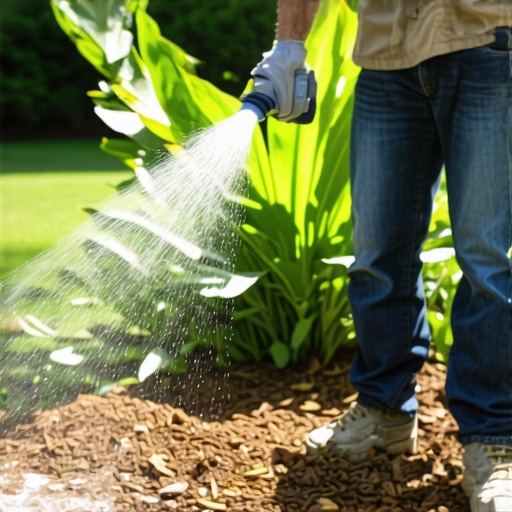
Irrigation is where most lawn care companies fail. They put lavender on the same zone as the turf grass. Turf needs 1 inch of water per week; lavender needs deep soakings once every two weeks, or even once a month once established. If you have an automated system, you must isolate the lavender on its own valve with low-flow emitters. As for pruning, if you don’t cut it back, it will get woody and brittle. Once that wood gets old, it won’t push new growth. You have to be aggressive. Take your shears and cut into the green growth, leaving about an inch of green above the woody stems. This keeps the plant tight and productive. It will grow back. It will be stronger. Don’t be afraid to hurt it a little in the name of long-term health.
![Why Your 2026 Drip System is Wasting Water [Fix]](https://lawnmajesty.com/wp-content/uploads/2026/06/Why-Your-2026-Drip-System-is-Wasting-Water-Fix.jpeg)