The Mistake That Is Killing Your Fescue Every Summer
The Forensic Autopsy of a Dying Fescue Lawn
To stop Tall Fescue from dying during the summer heat, you must avoid the combination of shallow daily watering and low mowing heights. This lethal pairing prevents deep root development and exposes the turf crown to extreme soil temperatures, ultimately triggering Brown Patch fungus and permanent desiccation. You see it every July. The lawn looks like a scorched battlefield. Most homeowners think they need more water. They are usually wrong. It is not just about the heat; it is about how you have conditioned the plant to fail. Fescue is a cool-season grass. It is built for 60-degree nights, not 95-degree afternoons with 80 percent humidity. When the mercury rises, the plant enters a metabolic crisis. If you have been treating it like a tropical fern, you are essentially drowning it in a hot bath.
The Chemical Nightmare: A Cautionary Tale
A homeowner called me in a panic last August. Their front lawn, a massive investment in premium Tall Fescue sod, had turned into a brown, crispy disaster in less than 48 hours. They thought they had a pest infestation. I walked the site and the smell hit me immediately: fermented organic matter and concentrated nitrogen. They had applied a high-nitrogen ‘weed and feed’ during a 97-degree heatwave. They thought the extra nutrients would help the grass ‘fight’ the heat. Instead, the nitrogen forced a surge of tender new growth that the roots could not support. The salts in the fertilizer sucked the remaining moisture out of the soil through osmotic pressure. They didn’t just burn the grass; they chemically scorched the soil microbiology. It took two years of aggressive core aeration and soil amending to fix that dirt. Don’t be that guy. Chemicals are tools, not crutches, and in the summer, they can be weapons of mass destruction for your landscaping.
“A retaining wall doesn’t fail because of the stone; it fails because of the water trapped behind it.” – Hardscape Engineering Axiom
The Biology of the Summer Slump
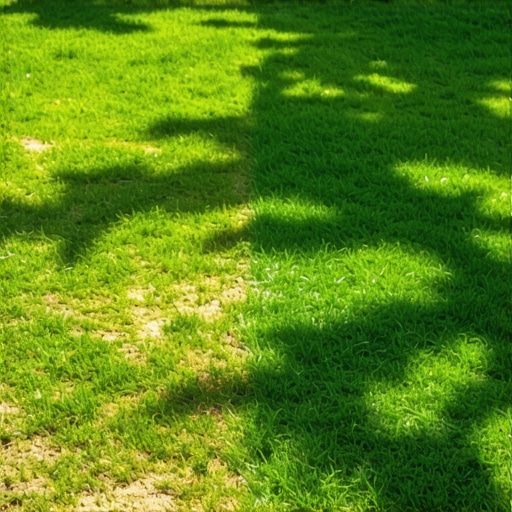
Why does Fescue struggle while Bermuda thrives? It comes down to C3 vs C4 photosynthetic pathways. Fescue (C3) loses efficiency as temperatures climb above 85 degrees. At this point, the plant starts losing more carbon through respiration than it gains through photosynthesis. It is literally starving itself to stay cool. If you scalp the lawn at 2 inches, you are removing the plant’s only cooling mechanism. Long blades shade the soil. Shaded soil stays 10 to 15 degrees cooler than exposed soil. When that soil hits 90 degrees, root growth stops. Period. If you want a green lawn in August, you need to be thinking about soil pH and root depth in March. Lawn care is a game of foresight, not reaction.
How much should I water Fescue in 90 degree heat?
To keep **Tall Fescue** alive in 90-degree heat, apply **1 to 1.5 inches of water** per week, delivered in only **two deep sessions**. This forced drought stress between waterings encourages **roots to grow deeper** into the soil profile to find moisture, rather than staying near the surface where they will cook. Most irrigation systems are programmed poorly. If you run your zones for 15 minutes every morning, you are creating a humid micro-climate at the soil surface. This is the perfect breeding ground for Rhizoctonia solani, better known as Brown Patch. This fungus loves warm, wet nights. You want the blades to be dry before sunset. Water at 4:00 AM, not 8:00 PM. The goal is to saturate the top 6 inches of soil and then let the surface dry out completely. Check your compaction. If the water is just running off into the street, your hardscaping and grading are failing you.
| Watering Strategy | Root Depth Impact | Fungal Risk | Drought Resistance |
|---|---|---|---|
| Daily (15 mins) | 1-2 Inches (Shallow) | Extreme High | None |
| Bi-Weekly (45 mins) | 6-8 Inches (Deep) | Very Low | High |
| Evening Watering | Surface Only | Extreme High | Low |
| Pre-Dawn Watering | Deep Penetration | Low | Maximum |
What is the best mower height for Fescue in summer?
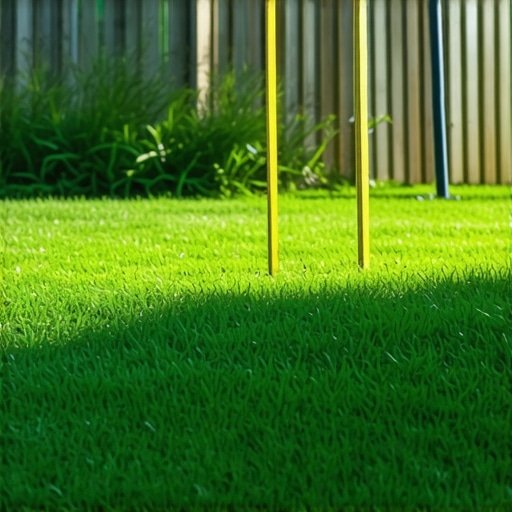
Set your mower to its **highest setting**, ideally **4 to 4.5 inches**, during the summer months for **Tall Fescue**. This extra height provides **critical shade** for the plant’s crown, reduces **evapotranspiration**, and allows for a larger **photosynthetic surface area** to sustain the plant during heat stress. A short lawn is a dead lawn in a heatwave. I tell my crew: if you can see the soil when looking down, the grass is too short. Dull mower blades are another silent killer. A dull blade shreds the leaf tissue instead of cutting it cleanly. These jagged edges increase the surface area for moisture loss and provide an entry point for pathogens. Sharpen your blades every 10 to 12 hours of mowing time. It matters. Professional landscaping is about precision, not just speed.
“Soil compaction is the hidden enemy of turfgrass health, reducing macropore space and restricting gas exchange essential for root respiration.” – Agronomy Manual Volume 4
The Summer Survival Checklist
- Raise mower height to 4+ inches.
- Water deeply and infrequently (1 inch per week).
- Sharpen mower blades twice a month.
- Stop all nitrogen fertilization when temps exceed 85 degrees.
- Monitor for circular brown patches with dark ‘smoke rings’ on the edges.
- Verify soil moisture with a screwdriver test (it should slide 6 inches deep easily).
- Avoid heavy foot traffic on dormant, crunchy grass.
Hydrostatic Pressure and Soil Health
Many homeowners ignore the grading of their property until a heavy summer thunderstorm floods their basement or turns their backyard into a swamp. Poor drainage is a primary driver of Fescue death. If water sits on the surface for more than 4 hours, the roots suffocate. They need oxygen. This is where hardscaping expertise comes in. A properly installed French drain or a slight adjustment in the soil grading can save a $20,000 lawn. We often see ‘sump-out’ where water collects at the base of a slope, causing the Fescue to rot from the bottom up. You can’t fix a biological problem with more chemicals if the engineering is flawed. Soil is a living matrix. It needs air, water, and minerals in the right balance. If you compact that soil with heavy equipment or constant traffic, you crush the pore space and kill the lawn. It is that simple. Don’t skip the core aeration in the fall. It is the single most important thing you can do for the longevity of your turf. The mistake you make in July is often the result of the maintenance you skipped in October.
![Stop 2026 Grass Growth in Your Paver Patios [Fix]](https://lawnmajesty.com/wp-content/uploads/2026/07/Stop-2026-Grass-Growth-in-Your-Paver-Patios-Fix.jpeg)
![Stop Scalping 2026 Fescue: 3 Mowing Height Rules [Fix]](https://lawnmajesty.com/wp-content/uploads/2026/05/Stop-Scalping-2026-Fescue-3-Mowing-Height-Rules-Fix.jpeg)