How to Create a Modern Look With Ornamental Grasses
The Technical Foundation of Modern Grass Design
Modern landscaping with ornamental grasses requires a rigorous understanding of spatial geometry and species-specific growth habits to achieve a minimalist, high-impact aesthetic. It is not about filling gaps but about creating architectural massing that utilizes the verticality and texture of the Poaceae family to define outdoor rooms and boundaries. I always drill into my new crew members: if you don’t fix the soil grading first, every plant you put in the ground is just expensive compost. I once saw a $50,000 installation of Blue Oat Grass fail within three months because the contractor ignored a 2 percent grade slope that pooled water at the root flares. You cannot cheat physics or biology.
“Ornamental grasses provide structural form and movement, but their success depends entirely on the drainage capacity of the site’s soil profile.” – Penn State Extension
Designing with Mass and Rhythm
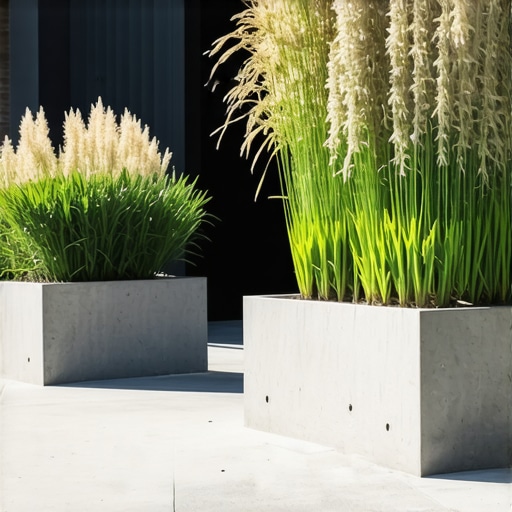
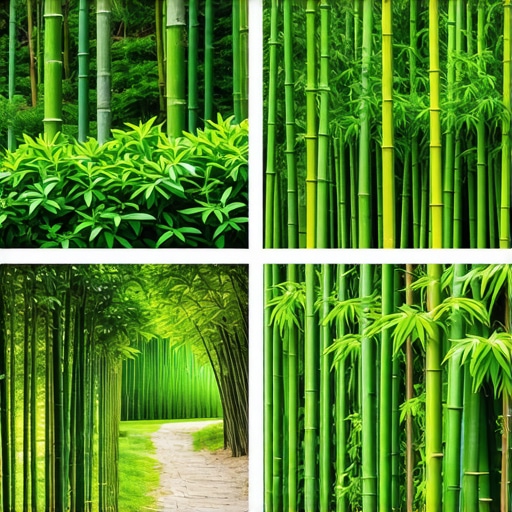
To create a modern look with ornamental grasses, you must utilize repetitive mass plantings of single species to create a clean, monochromatic visual field that emphasizes form over color. This technique, often called matrix planting, relies on a grid-based layout where the spacing is calculated based on the mature width of the grass to ensure a seamless block of texture. Avoid the urge to mix five different types of grass in a small area. That is not modern design; that is a botanical collection. Focus on clean lines. Use a laser level to ensure your rows are dead straight if you are doing a formal edge. One inch of deviation will be visible once those grasses reach three feet in height. [IMAGE_PLACEHOLDER_1]
How much modified gravel do I need for a patio base?
For a standard residential patio base supporting hardscape elements near ornamental grass beds, you need a six-inch layer of 2A modified crushed stone. Calculate the volume by multiplying the square footage by 0.5 feet, then dividing by 27 to find the cubic yardage required. Do not skip the compaction. If the base is not hit with a 3,000 PSI plate compactor, your hardscaping will shift, and your drainage will fail, drowning your grasses.
Soil Physics and Site Preparation
The success of a modern grass installation is determined 12 inches below the surface where soil porosity and macronutrient availability dictate the plant’s structural integrity. You need to test your soil pH before you even think about ordering plants; most ornamental grasses prefer a pH between 6.0 and 7.0 to maximize cation exchange capacity. If you have heavy clay, you are looking at an anaerobic environment that will kill a Pennisetum in a single season. I tell my clients that we spend 60 percent of the budget on things they will never see, like soil amendments and drainage tile. If the soil is compacted, the roots cannot penetrate. No oxygen means no life. It is that simple. Don’t be the guy who plants a $40 gallon-pot in a $5 hole.
| Material Choice | Drainage Rating | Modern Aesthetic Score | Maintenance Interval |
|---|---|---|---|
| Mexican River Pebble | 9/10 | High (Minimalist) | Bi-annual cleaning |
| Triple-Shredded Hardwood | 6/10 | Medium (Natural) | Annual replacement |
| Decomposed Granite | 8/10 | High (Industrial) | Occasional raking |
| Lava Rock | 7/10 | Low (Dated) | Permanent (difficult to remove) |
Selection of Species for Modern Aesthetics
Choosing the right species for a modern look involves prioritizing upright habits and architectural seed heads that maintain their form through the winter months. For tight, vertical lines, Calamagrostis x acutiflora ‘Karl Foerster’ is the industry standard because it does not flop and maintains a narrow footprint. If you need a mid-height screen, look at Panicum virgatum ‘Northwind’. It is a steel-blue switchgrass that stays vertical even in high winds. Avoid invasive species like Miscanthus sinensis unless you want to be digging up runners for the next decade. Stick to clumping varieties. They stay where you put them. This is critical for maintaining the geometric integrity of a modern garden design.
Which ornamental grass is best for low maintenance?
The Sesleria autumnalis, or Autumn Moor Grass, is the superior choice for low-maintenance modern designs due to its drought tolerance and clumping habit. It requires only one cut-back per year in late winter and is highly resistant to common fungal pathogens that affect more delicate turf species.
The Installation Process and Hardscape Integration
Integrating ornamental grasses with hardscaping requires a moisture-barrier strategy to prevent hydrostatic pressure from damaging walls or pavers while ensuring the plants receive adequate hydration. When placing grasses next to a retaining wall, you must account for the backfill.
“A retaining wall doesn’t fail because of the stone; it fails because of the water trapped behind it.” – Hardscape Engineering Axiom
We use non-woven geotextile fabric to keep the soil from clogging our drainage stone. For the grasses themselves, we dig the hole twice as wide as the root ball but no deeper. Planting too deep is a death sentence; it leads to crown rot. The root flare should be exactly at grade. Not an inch above, not an inch below. Check it with a shovel handle across the hole.
- Call 811 to mark underground utilities before excavation.
- Test soil drainage by filling a 12-inch hole with water and timing the drawdown.
- Incorporate 2 inches of composted organic matter into the top 6 inches of soil.
- Install drip irrigation lines directly to the root zones, not overhead spray.
- Mulch with 2 to 3 inches of inorganic material like crushed basalt for a clean look.
Maintenance and Longevity Protocols
To keep a modern grass display looking sharp, you must adhere to a strict deciduous pruning schedule and monitor the nitrogen cycle within the soil. Every February, before the new green shoots appear, you must cut the previous year’s growth down to 3 inches from the crown. If you wait too long, you will clip the tips of the new blades, leaving ugly brown ends all season. Regarding fertilizer, stop using high-nitrogen lawn products. Too much nitrogen causes grasses to grow too fast and ‘lodge’ or fall over. Use a slow-release, low-N organic fertilizer only if a soil test shows a deficiency. These plants are adapted to lean soils. Over-parenting them with chemicals just makes them weak and susceptible to pests. Treat them like the structural elements they are, and they will perform for twenty years.
![Build a $100 Modern Rock Garden for 2026 [DIY]](https://lawnmajesty.com/wp-content/uploads/2026/06/Build-a-100-Modern-Rock-Garden-for-2026-DIY.jpeg)
![Build a $100 Modern Planter Box for 2026 [DIY]](https://lawnmajesty.com/wp-content/uploads/2026/06/Build-a-100-Modern-Planter-Box-for-2026-DIY.jpeg)