3 Moves to Boost Your Curb Appeal in One Weekend
The Engineering of First Impressions: Why Most Curb Appeal Projects Fail
Real curb appeal is not a coat of paint or a handful of seasonal pansies from a big-box store. It is the visible manifestation of structural integrity and biological health. I always drill into my new crew members: if you don’t fix the soil grading first, every plant you put in the ground is just expensive compost. I have seen $50,000 landscapes turn into literal swamps because a contractor prioritized aesthetics over the 2 percent slope required to move water away from the foundation. True curb appeal requires a forensic understanding of your property’s topography and soil chemistry. Before you pick up a shovel this weekend, you must accept that your yard is a hydraulic system. If you ignore the physics of drainage and the biology of the rhizosphere, you are simply decorating a sinking ship. We are going to focus on three high-impact moves that satisfy both the aesthetic demand for clean lines and the engineering requirement for longevity.
“A retaining wall doesn’t fail because of the stone; it fails because of the water trapped behind it.” – Hardscape Engineering Axiom
Move 1: Establishing Structural Edging and Hardscape Integrity
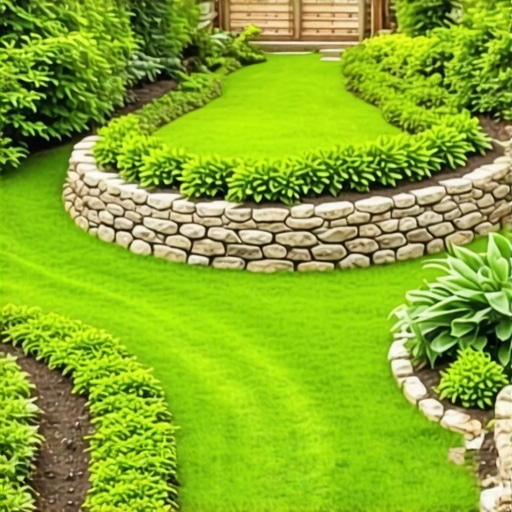
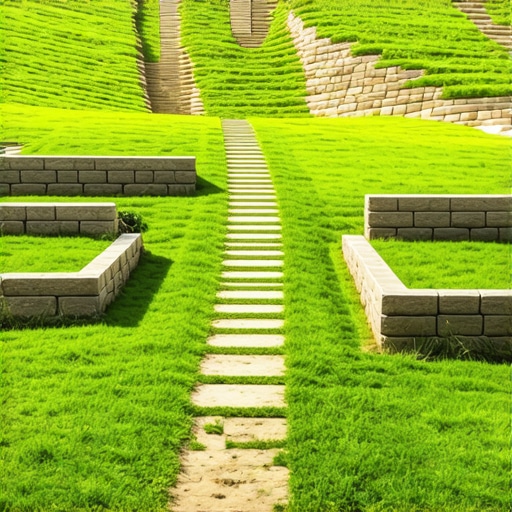
To boost curb appeal through hardscaping, focus on defining clean structural lines using high-density materials like 4-inch deep steel edging or concrete pavers set on a compacted 2A modified gravel base. This prevents soil migration and ensures a permanent barrier between turf and planting beds, maintaining a sharp visual profile for years. Most DIYers make the mistake of using plastic pound-in edging that heaves after the first freeze-thaw cycle. If you want professional results, you need to excavate a trench 6 inches wide and 4 inches deep. Fill the bottom with 2 inches of crushed stone and use a hand tamper until you reach a 95 percent Proctor density. When you set your edging or pavers, they should be rock solid. This isn’t just for looks. A firm edge allows you to run your string trimmer vertically, creating that deep, black shadow line that separates a manicured estate from a neglected lot. We are fighting lateral soil pressure here. Without a rigid boundary, your mulch will inevitably bleed into your fescue, and your fescue will send rhizomes into your flower beds. It is a war of attrition, and the only way to win is with a structural border. Use 12-inch spiral steel spikes to anchor your edging every 2 feet. If the spikes don’t meet significant resistance, your subgrade is too soft. Fix it now or watch your lines warp by mid-July.
How much modified gravel do I need for a patio base?
For a standard pedestrian walkway or small patio landing, you need a minimum of 4 inches of compacted 2A modified stone. To calculate the volume, multiply the length by the width by the depth in feet, then divide by 27 to find the cubic yardage required. Always add 10 percent for compaction loss.
Move 2: Soil Bio-Remediation and Agronomic Turf Care
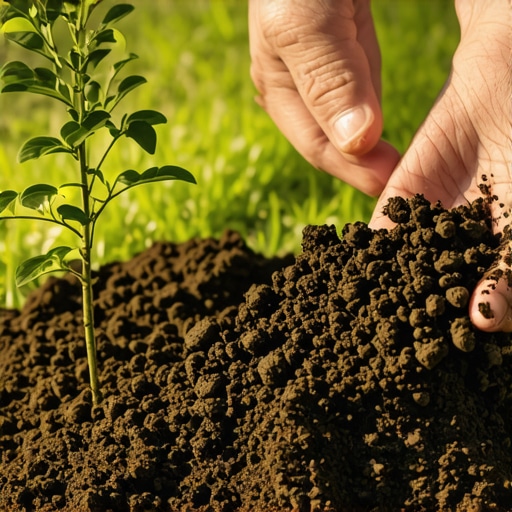
High-impact lawn care involves mechanical core aeration to reduce soil bulk density followed by an application of calcitic lime if pH levels fall below 6.2. These steps improve oxygen exchange and nutrient uptake, allowing turfgrass to outcompete weeds without heavy dependence on synthetic herbicides. Most homeowners believe their lawn needs more nitrogen. Usually, it actually needs more oxygen. If your soil is compacted, the roots of your turfgrass are suffocating in a low-oxygen environment, leading to shallow root systems and high susceptibility to fungal pathogens like Rhizoctonia solani. This weekend, rent a stand-on aerator and pull 3-inch plugs. You want at least 20 holes per square foot. This physical disruption breaks up the thatch layer and allows water to penetrate the A-horizon of the soil profile. Following aeration, perform a top-dressing with a 50/50 blend of compost and masonry sand. This introduces organic matter while improving the physical structure of the soil. When it comes to fertilization, stop guessing. A standard 10-10-10 fertilizer is often a waste of money. Most soils have adequate phosphorus but are deficient in potassium, which is critical for cell wall thickness and drought resistance. Look for a slow-release methylene urea source to provide a steady nitrogen drip rather than a growth spike that forces you to mow twice a week. Keep your mower blade height at 4 inches. Scalping your lawn reduces the photosynthetic surface area and allows sunlight to reach weed seeds at the soil surface. High grass shades the soil, keeping it 10 degrees cooler and preserving moisture.
| Material Type | Longevity (Years) | Maintenance Level | Primary Function |
|---|---|---|---|
| Steel Edging (14 Gauge) | 25+ | Low | Structural boundary |
| Hardwood Bark Mulch | 1 | High | Moisture retention/pH regulation |
| 2A Modified Gravel | 50+ | Zero | Base stabilization/Drainage |
| Polymeric Sand | 3-5 | Medium | Joint stabilization/Weed suppression |
Move 3: Strategic Planting and Root Zone Management
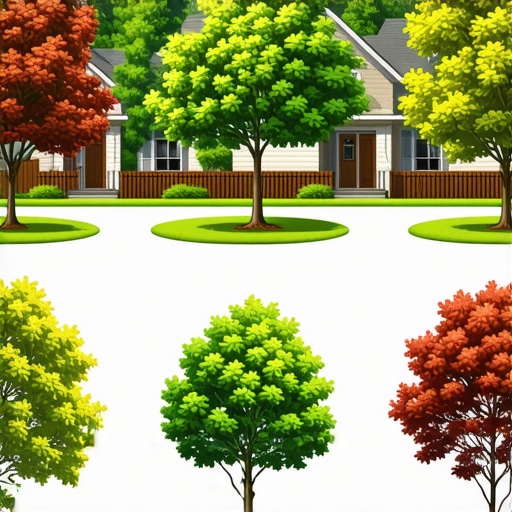
Effective garden design focuses on installing native perennials with the root flare exposed and a 3-inch layer of triple-shredded hardwood mulch kept 2 inches away from the trunk. This configuration prevents girdling roots and trunk rot while ensuring the plant can establish a deep, resilient vascular system. I see people piling mulch up against the base of trees, creating what we call mulch volcanoes. This is a death sentence. It traps moisture against the bark, inviting borers and fungal infections. When you plant a new shrub to boost your curb appeal, find the point where the trunk widens into the roots. That flare must be at or slightly above the soil grade. If you bury it, the tree will eventually choke itself out. Furthermore, stop buying plants based on how they look in a 3-gallon pot at the nursery. You need to know their mature spread. If you plant a boxwood that grows to 5 feet wide only 2 feet away from your walkway, you are creating a maintenance nightmare. Space your plants according to their 10-year growth projections. Use a drip irrigation system with pressure-compensating emitters rather than overhead sprinklers. Overhead watering loses 30 percent of the volume to evaporation and increases the risk of leaf spot diseases. We want deep, infrequent watering that forces roots to chase the moisture downward, creating a plant that can survive a three-week drought without wilting.
“Compaction is the hidden killer of the urban landscape; without pore space, there is no life.” – USDA Soil Quality Manual
What is the best mulch for curb appeal?
The best mulch is a triple-shredded hardwood or cedar bark. Avoid dyed mulches, as the carbon-to-nitrogen ratio is often skewed, and the dyes can inhibit soil microbial activity. Hardwood mulch breaks down into humus, improving your soil structure over time while providing a natural dark brown or black aesthetic.
The 48-Hour Execution Checklist
- Day 1 AM: Call 811 to mark underground utilities. Identify drainage low spots.
- Day 1 PM: Excavate bed edges. Install structural steel or stone edging.
- Day 2 AM: Mechanically aerate the lawn. Apply soil amendments based on pH.
- Day 2 PM: Install nursery stock, ensuring root flares are exposed. Mulch to 3 inches deep.
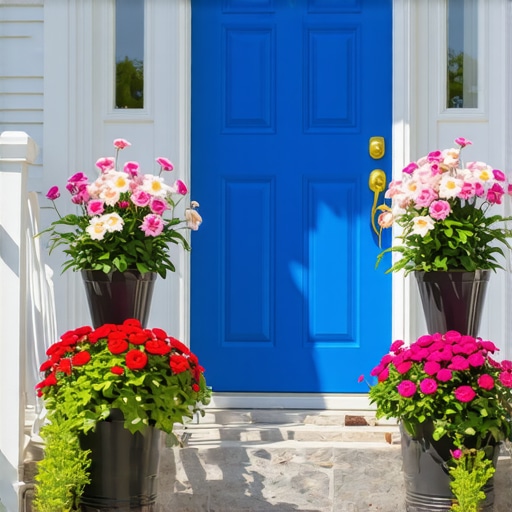
By following these steps, you are not just making the yard look better for a weekend. You are resetting the biological and structural clock of the property. You are increasing the bulk density resistance of your soil and ensuring that every drop of water that hits your land has a clear, engineered path. This is how you build equity in your landscape. It requires sweat, precision, and a refusal to take shortcuts. Don’t be the homeowner who buys a new door and leaves a dying lawn. Build from the soil up. That is the only way curb appeal lasts.