
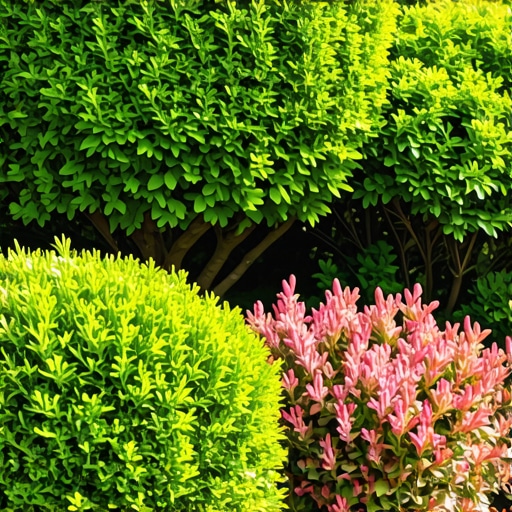
Best 2026 Deer-Resistant Shrubs for Zone 6
The Foundation of Zone 6 Survival: Why Most Landscapes Fail
I always drill into my new crew members: if you don’t fix the soil grading and site preparation first, every plant you put in the ground is just expensive compost. After two decades in the dirt, I have seen thousands of dollars in nursery stock wasted because a homeowner prioritized aesthetics over biology. In Zone 6, we deal with a brutal freeze-thaw cycle and relentless deer pressure that can turn a high-end estate into a graveyard of sticks in one winter. Most contractors focus on the flower; I focus on the root system and the chemical signaling of the plant. If the plant is stressed due to poor drainage or improper pH, its natural defense mechanisms drop, making it a prime target for browsing. Landscaping is not about decorating; it is about managing a living ecosystem with engineering precision.
The Best 2026 Deer-Resistant Shrubs for Zone 6 Landscapes
The best 2026 deer-resistant shrubs for Zone 6 are selected based on their alkaloid content, foliage texture, and winter hardiness, specifically targeting species like Pieris japonica and Buxus cultivars that thrive in -10°F temperatures while remaining unpalatable to local deer populations throughout the dormant season.
“A plant’s resistance to browsing is often tied to its secondary metabolites, such as terpenes and phenols, which serve as chemical deterrents to herbivores.” – Penn State Department of Plant Science
The Engineering of a Deer-Resistant Screen
When we design a privacy screen in Zone 6, we aren’t just looking for height. We look at the hydrostatic pressure of the soil and the wind load. For 2026, we are moving away from over-planted monocultures like Green Giant Arborvitae, which deer in our region are starting to test when food is scarce. Instead, we are looking at the Japanese Plum Yew (Cephalotaxus harringtonia). It is a slow-growing, shade-tolerant evergreen that deer won’t touch. You need to ensure the soil has a bulk density of less than 1.6 g/cm⊃3 to allow root penetration. If your soil is compacted clay, you must mechanically aerate and amend with composted organic matter to lower the bulk density before a single pot hits the ground.
2026 Zone 6 Shrub Comparison Matrix
| Shrub Species | Deer Resistance Level | Soil Preference | Mature Height (Feet) | Primary Defense |
|---|---|---|---|---|
| Pieris japonica | High | Acidic (pH 4.5-5.5) | 6-8 | Toxicity (Grayanotoxins) |
| Buxus ‘Green Mountain’ | Extreme | Well-drained Loam | 4-5 | Alkaloids/Aromatic Oils |
| Caryopteris x clandonensis | High | Sandy/Rocky | 3-4 | Pungent Foliage |
| Ilex glabra (Inkberry) | Medium-High | Moist/Acidic | 4-6 | Leaf Texture |
| Physocarpus opulifolius | Medium | Adaptive | 6-10 | Exfoliating Bark |
The Critical Role of Soil pH and Drainage
You cannot ignore the chemical reality of your site. In many Zone 6 regions, we deal with heavy clay that holds moisture far too long. If you plant Pieris or Mountain Laurel (Kalmia latifolia) in standing water, you get phytophthora root rot. Period. I check the soil percolation rate on every job. Dig a hole, fill it with water, and if it doesn’t drain at a rate of at least one inch per hour, you have a drainage problem that no plant can solve. We often install French drains or sub-surface catch basins to manage the water before we even think about the planting plan. Don’t be the person who spends $5,000 on shrubs but $0 on the soil. It is a recipe for failure.
How do I protect new shrubs from deer during winter?
To protect new shrubs in Zone 6, you must apply a systemic repellent containing bitterants or capsaicin, or install physical barriers like heavy-duty plastic mesh or polypropylene fencing at a height of 7-8 feet, as deer are most likely to browse on the succulent new growth of recently transplanted specimens when traditional food sources are frozen.
The Installation Protocol: Root Flares and Compaction
Most crews plant too deep. It’s a professional sin. The root flare—where the trunk meets the roots—must be visible at the soil surface. If you bury that flare, you induce girdling roots and stem rot. We use a pneumatic air tool to clear the soil from the top of the root ball on every nursery-grown shrub we buy. Furthermore, the planting hole should be twice as wide as the root ball but no deeper. We want the plant sitting on undisturbed soil to prevent settling. Once the shrub is in, we mulch with 3 inches of double-shredded hardwood. No mulch volcanoes. Keep the mulch 2 inches away from the trunk. Airflow is non-negotiable.
“Compaction is the hidden killer of urban landscapes, reducing pore space for oxygen and water, which are vital for microbial activity and root respiration.” – International Society of Arboriculture
Which Zone 6 shrubs grow fastest for privacy?
For fast privacy in Zone 6 that resists deer, Viburnum dentatum (Arrowwood) is a top professional choice, capable of growing 1-2 feet per year in optimal conditions, provided the soil is kept at a consistent moisture level and is not heavily compacted by construction traffic.
Essential 2026 Planting Checklist
- Verify USDA Hardiness Zone is strictly 6a or 6b.
- Conduct a Soil Nutrient Analysis (Check NPK and pH).
- Mark all underground utilities via 811 / Dig Safe.
- Remove any synthetic burlap or wire cages from the root ball.
- Install drip irrigation emitters directly at the root zone.
- Apply a pre-emergent herbicide if planting in high-weed pressure areas.
Maintenance: The First 365 Days
The first year is the most dangerous. A shrub in Zone 6 needs 1 inch of water per week, delivered deep into the soil. Frequent, shallow watering is a death sentence; it encourages shallow roots that will fry in July and freeze in January. We use tensiometers on high-value installs to measure soil moisture tension. You want the roots to chase the water down into the subsoil. This build-up of root mass is what allows the plant to survive a drought or a heavy browsing event. By year three, the plant should be established enough to withstand the local environment without a pacifier. Stop coddling them and start engineering them for resilience. It is the only way to build a landscape that lasts.

![5 Drought-Tolerant Shrubs for 2026 Privacy Hedges [Zone 6]](https://lawnmajesty.com/wp-content/uploads/2026/07/5-Drought-Tolerant-Shrubs-for-2026-Privacy-Hedges-Zone-6.jpeg)