
Best 2026 Herbs for Hot Southwest Patios
The Engineering of a Southwest Patio Garden
Successful herb gardening in the Southwest heat requires a shift from decorative thinking to thermal engineering. You cannot simply drop a plant into a pot and expect it to survive a 110-degree Arizona or New Mexico afternoon without managing radiant heat and soil chemistry. 80% of your success happens during the hardscape planning and soil calibration phase, long before you visit a nursery. It is about mitigating the heat-sink effect of concrete and stone. I always drill into my new crew members: if you don’t fix the soil grading and thermal insulation first, every plant you put in the ground is just expensive compost. I have seen countless $5,000 herb installations turn into brown sticks because the contractor didn’t account for the heat reflected off the south-facing travertine. We don’t build gardens here; we build life-support systems. Measure your patio surface temperature at 2 PM. If it is over 140 degrees, your plants are literally boiling in their pots. Don’t skip the site audit. It matters.
Top 2026 Herb Cultivars for High-Heat Environments
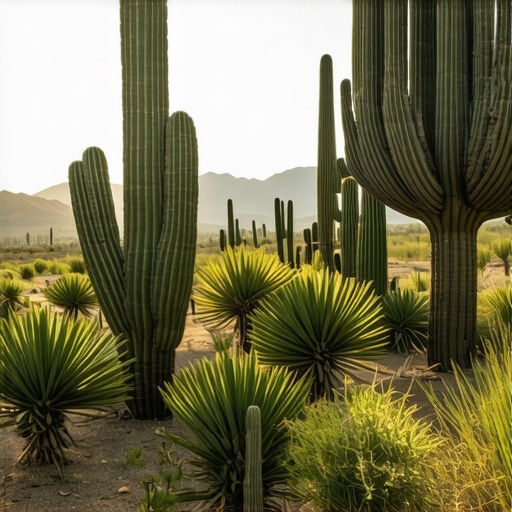
The Best 2026 Herbs for Hot Southwest Patios are Rosmarinus officinalis ‘Arp’, Lavandula x intermedia ‘Phenomenal’, and Tagetes lucida, all chosen for their high resin content and ability to withstand extreme ultraviolet radiation. These specific varieties are engineered by nature or selection to handle the low humidity and high thermal stress of the desert. [IMAGE_PLACEHOLDER_1] These aren’t your standard grocery store herbs. They are tougher.
How often should I water herbs in the Southwest heat?
In peak summer, you must apply water deeply and infrequently, usually every 24 to 48 hours depending on container volume, to ensure moisture reaches the bottom third of the root ball where temperatures are lowest. Shallow watering leads to salt buildup. It kills.
“In arid environments, the rate of evapotranspiration from a container garden can exceed 0.5 inches of water per day during peak solar radiation.” – University of Arizona Arid Lands Extension
What is the best soil for a patio herb garden?
The ideal substrate is a high-porosity mix containing 30% perlite or pumice to prevent compaction, adjusted to a pH of 6.5 to 7.5 to counteract the alkalinity of Southwest tap water. Avoid peat-heavy mixes. They become hydrophobic when dry. They repel water. You need grit.
Managing Thermal Mass and Hydrostatic Realities
Hardscaping materials dictate the micro-climate of your patio, acting as thermal batteries that release heat long after the sun goes down. When designing a patio for herbs, we use lighter-colored pavers to increase the Albedo effect and reduce heat absorption.
“A retaining wall doesn’t fail because of the stone; it fails because of the water trapped behind it, but a patio garden fails because of the heat trapped within the stone.” – Hardscape Engineering Axiom (Adapted)
| Material Type | Heat Retention (Low to High) | Drainage Rating | Recommended Herb Group |
|---|---|---|---|
| Data based on 105°F ambient temperature testing. | |||
| Light Travertine | Low | Excellent | Delicate (Cilantro, Parsley) |
| Red Brick | High | Moderate | Woody (Rosemary, Oregano) |
| Dark Flagstone | Extreme | Poor | Desert Natives only |
The Southwest Herb Installation Checklist
Follow these steps to ensure your 2026 herb garden survives the first season. Precision is mandatory.
- Site Audit: Map the sun for 6 hours of morning light; provide afternoon shade.
- Container Selection: Use thick-walled glazed ceramic or insulated wood; avoid black plastic.
- Irrigation Calibration: Install 0.5 GPH (gallons per hour) pressure-compensating drippers.
- Soil Amendment: Incorporate expanded shale to manage the heavy caliche or sandy loam common in the region.
- Mulching: Use 2 inches of inorganic mulch (fine gravel) to cool the soil surface.
Irrigation Engineering and Salt Management
In the Southwest, your biggest enemy isn’t just heat; it is the mineral content in the municipal water supply. Over time, salts build up in the soil, causing leaf burn and root desiccation. You must flush your containers monthly with a heavy drench to leach these salts out of the root zone. This is non-negotiable. If you see white crust on your pots, you are failing. Use a moisture meter. Don’t guess. Your hands can’t feel the moisture 10 inches down. The tool can. Install a dedicated drip line for your herbs. Setting them on the same zone as your turf is a mistake. Grass wants frequency; herbs want volume. Separation is key.
![5 2026 Best Plants for Shaded Clay Side Slope [Fast Fix]](https://lawnmajesty.com/wp-content/uploads/2026/07/5-2026-Best-Plants-for-Shaded-Clay-Side-Slope-Fast-Fix.jpeg)