
Build a $150 2026 Cedar Bench for Backyard Paths
The Structural Engineering of a $150 Cedar Garden Bench for 2026
I always drill into my new crew members: if you don’t fix the soil grading and foundation first, every structural element you put in the garden—whether it is a retaining wall or a simple bench—is just expensive compost waiting to happen. I have seen guys throw $500 worth of teak on raw, wet clay and act surprised when the legs rot out in two seasons. You do not just build a bench; you engineer a piece of furniture to survive the specific biological and hydrostatic pressures of your backyard. In the world of high-end landscaping, the difference between a contractor and a hack is the understanding of moisture movement and material science. This guide breaks down the construction of a 2026-era cedar bench designed to withstand the elements for under $150 in materials.
The Chemistry and Cellular Biology of Western Red Cedar
Constructing a durable outdoor bench for $150 requires utilizing the natural extractives and thujaplicins found in Western Red Cedar (Thuja plicata), which provide inherent resistance to fungal decay and insect infestation without the need for toxic pressure-treatment chemicals. By 2026, sustainable sourcing is the standard, and cedar remains the king of the garden path for its strength-to-weight ratio and dimensional stability under varying humidity levels. We are looking at the microscopic level here. Cedar cells contain natural oils that act as fungicides. However, if you trap moisture against those cells with poor joinery, even cedar will fail. You need to respect the wood’s grain and its ability to ‘breathe’ through seasonal expansion and contraction. Most DIYers forget that wood is a hydraulic system; it moves water. If you don’t account for that, the wood will check, warp, or split. We use clear-grade cedar when the budget allows, but for a $150 build, we are looking at select-tight-knot (STK) grade, which offers the same structural integrity if you place the knots strategically away from load-bearing joints.
“A retaining wall doesn’t fail because of the stone; it fails because of the water trapped behind it.” – Hardscape Engineering Axiom
How long does cedar last in direct soil contact?
Cedar will typically last 15 to 20 years above ground, but only 2 to 5 years if in direct contact with wet soil. To hit a 20-year lifespan for a backyard path bench, the wood must be isolated from the soil’s microbial activity using a gravel base or 411 crushed limestone pads. This prevents the capillary action from drawing moisture up into the end grain of the bench legs. Never skip the footer. I don’t care if it’s just a 4-inch deep pocket of 57 stone. It matters.
The 2026 Material Breakdown and Costing Table
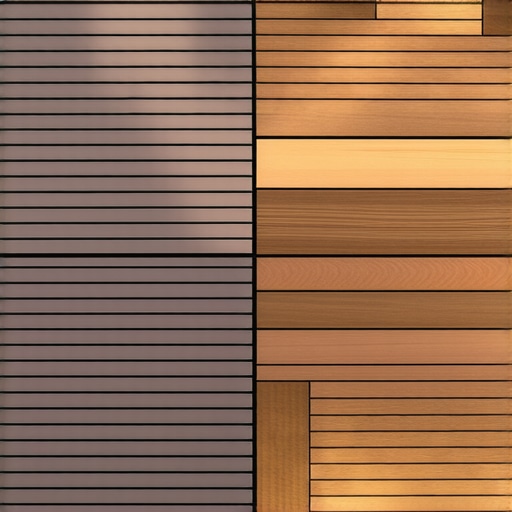
Achieving a professional-grade build under a strict $150 budget involves sourcing dimensional cedar lumber and utilizing 305-grade stainless steel fasteners to prevent the black tannin staining that occurs when zinc or galvanized hardware reacts with cedar’s natural acids. Prices in 2026 have stabilized, but you still need to be smart. Don’t go to the big-box stores where the lumber is wet and warped. Go to a real lumber yard. You want wood that has been properly seasoned. Wet wood will shrink 5% to 10% after you build it, leaving your joints loose and your bench wobbly. We calculate our board-foot requirements precisely to minimize waste, focusing on 2×4 and 2×6 dimensions for maximum structural rigidity. [IMAGE_PLACEHOLDER]
| Material Item | Quantity / Dimensions | Estimated 2026 Cost | Purpose |
|---|---|---|---|
| Select Tight Knot Cedar | 3 pcs @ 2″x4″x8′ | $68.00 | Frame and Legs |
| Cedar Decking Boards | 2 pcs @ 5/4″x6″x8′ | $42.00 | Seating Surface |
| SS305 Wood Screws | 1 Box (2.5″) | $18.00 | Corrosion-Resistant Fastening |
| Structural Wood Glue | 1 Pint (Exterior) | $12.00 | Joint Reinforcement |
| Penetrating Oil Stain | 1 Quart | $10.00 | UV Protection |
Step-by-Step Installation and Engineering Logic
The successful construction of a pathway bench relies on mechanical joinery that allows for hydrostatic drainage and avoids ‘water traps’ where organic debris can collect and initiate the rot cycle. If you aren’t pre-drilling every hole, you aren’t a craftsman. You’re a butcher. Cedar is soft, but its grain splits easily near the ends. Every screw needs a pilot hole and a countersink. This isn’t just about aesthetics; it is about preventing cracks that allow water to penetrate the heartwood.
- Base Prep: Excavate 4 inches of soil at the bench location. Fill with compacted 57 stone to prevent settling.
- Leg Assembly: Use a ‘box-leg’ design for maximum PSI load distribution. Use 2x4s with lap joints for structural stability.
- Seating Gaps: Leave exactly 3/16-inch gaps between seat slats. This allows surface tension to break, letting water fall through rather than pooling.
- End-Grain Sealing: Apply a paraffin-based wax or extra oil to the bottom of the legs. This is the most vulnerable part of the bench.
- Fastener Recess: Ensure all screw heads are slightly below the surface and filled or left clean to prevent snagging.
What is the best wood for outdoor benches in 2026?
While Ipe and Teak are superior in density, Western Red Cedar remains the best value for 2026 projects due to its moderate cost-to-durability ratio and lower carbon footprint compared to imported tropical hardwoods. It is easier on your tools and easier on your wallet. For a garden path, the lighter weight of cedar also makes it easier to move when you need to perform lawn aeration or edge the path. Heavy hardwoods sink into the soil faster. Cedar stays on top.
The Physics of Load Bearing and Ergonomics
A bench is a bridge for people. We design for a static load of at least 600 pounds to account for dynamic weight shifts when someone sits down abruptly. This means your spans cannot exceed 48 inches without a center support. If you go longer than 4 feet with 5/4 cedar boards, the seat will flex. Flex leads to fastener fatigue. Fastener fatigue leads to failure. I have seen benches collapse because the builder thought ‘it feels solid enough’ without doing the math. We use a 15-degree rake on the backrest for ergonomic comfort. It’s the difference between sitting on a church pew and a piece of furniture.
“High-quality joinery in a garden environment must account for wood’s hygroscopic nature—it will swell in the spring and shrink in the winter.” – Agronomy Wood Manual
Do not skip the glue. But don’t use regular yellow glue. You need a Type III waterproof adhesive. It acts as a secondary mechanical bond. In 2026, we also see more builders using pocket-hole joinery. If you go that route, the holes must be plugged with cedar bungs and oriented downward to prevent water collection. It is simple physics. Gravity always wins. Your job is to make sure water has a path to the ground that doesn’t go through your joinery. Once the bench is assembled, sand it to 120 grit. Anything finer will burnish the wood and prevent the oil stain from penetrating the fibers. You want the protection inside the wood, not just sitting on top like a film. Film-forming finishes like polyurethane will peel. Penetrating oils will simply fade, making them easy to refresh in three years with a simple wash and re-application. It’s about maintenance, not just installation. Keep it clean. Keep it dry. It will last.
![Build a $400 2026 Outdoor Kitchen Island [Budget DIY]](https://lawnmajesty.com/wp-content/uploads/2026/05/Build-a-400-2026-Outdoor-Kitchen-Island-Budget-DIY.jpeg)