Drought-Proof Your 2026 Garden with Biochar
Why Your 2026 Garden Project Begins with This Ancient Soil Amendment
To drought-proof your garden using biochar, you must incorporate this highly porous, carbon-rich material into your root zone to permanently increase water retention and biological activity. Unlike standard organic matter that decomposes within a single season, biochar acts as a permanent cellular sponge in your soil. It locks in moisture at the root level and prevents precious nutrients from leaching out during heavy rains. We are entering a cycle of unpredictable weather patterns, and relying solely on city water lines is a losing strategy.
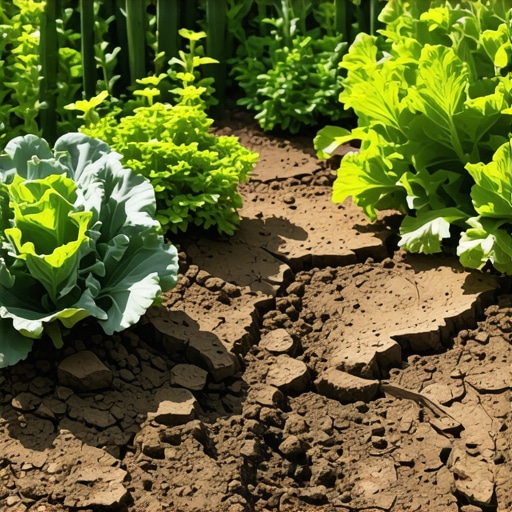
I always drill into my new crew members: if you don’t fix the soil chemistry and structure first, every plant you put in the ground is just expensive compost. Just last month, we excavated a high-end planting bed where the client spent thousands on premium native cultivars, only to watch them shrivel. The soil was a compacted, lifeless clay layer that baked like a brick in the July heat. No amount of drip irrigation could save those roots because the water simply sheeted off. If we had blended biochar into that initial prep phase, those roots would have had a microscopic reservoir to tap into during the dry spells.
“Biochar applied to agricultural and horticultural soils improves water holding capacity, reduces bulk density, and increases microbial biomass by providing a stable, porous habitat for mycorrhizal fungi.” – Texas A&M AgriLife Extension Service
How Does Biochar Work inside the Soil Matrix?
Biochar functions as a permanent microscopic sponge that drastically increases soil surface area, capturing water molecules and beneficial microbes within its highly porous carbon structure. Under a microscope, biochar looks like an intricate honeycomb. This structural geometry allows it to hold up to six times its weight in water, keeping moisture right where the plant roots can actually reach it. It prevents gravity from pulling water straight down past the root zone.
What is the difference between raw charcoal and agricultural biochar?
Never throw briquettes or raw lump charcoal into your landscape beds. Raw charcoal contains residual tars, volatile compounds, and lacks the structural purity of agricultural-grade biochar. More importantly, raw biochar is completely empty of nutrients. If you put raw, uncharged biochar directly into your soil, it will act like a sponge in reverse. It will suck up all the existing nitrogen and water, starving your plants for the first season. You must use pre-charged or “inoculated” biochar that is already loaded with compost, worm castings, and active mycorrhizal fungi.
The Step-by-Step Biochar Application Process
To properly apply biochar, you must inoculate the raw carbon with organic nutrients, incorporate it directly into the top six inches of your soil profile, and thoroughly hydrate the entire zone. This process ensures that the carbon material is chemically stable and ready to support root development immediately rather than pulling nutrients out of your existing soil. Do not shortcut the inoculation phase.
| Soil Parameter | Standard Clay or Sand Soil | Biochar-Amended Soil | Measurable Benefit |
|---|---|---|---|
| Water Retention | Low to Moderate (Runoff/Leaching) | High (Up to 150% increase) | Less frequent watering cycles |
| Soil Biology | Dormant or low bacterial count | Thriving fungal and bacterial networks | Improved nutrient uptake (NPK) |
| Bulk Density | High (Compacted, hard clay) | Low (Fluffy, aerated structure) | Deeper root penetration |
Follow this checklist to prepare your landscape bed for the 2026 planting season:
- Acquire High-Quality Biochar: Select a product with a high fixed carbon content (preferably above 75%) that has been pyrolyzed at temperatures between 450 and 700 degrees Celsius.
- Charge the Biochar: Mix raw biochar with active compost, steer manure, or fish hydrolysate at a 1:1 ratio. Let this slurry sit for at least two weeks to populate the carbon pores with microbes.
- Excavate and Blend: Spread a 1-inch layer of the charged biochar mix over your soil surface. Till or spade it down to a depth of 6 to 8 inches.
- Hydrate Deeply: Run a micro-sprinkler or drip line over the treated area for two hours to fully saturate the newly modified soil structure.
Engineering Your Landscape Beds for Maximum Water Conservation
You can maximize the water-saving properties of biochar by integrating it into a comprehensive system that includes proper grading, thick organic mulching, and targeted drip-line irrigation. Biochar is not a silver bullet on its own; it is part of a larger civil engineering solution for your yard. If your yard slopes poorly, water will still migrate away before the biochar can absorb it.
How much biochar do I need for my garden bed?
For standard garden beds, you need approximately 10% biochar by volume in the root zone. This translates to spreading a layer roughly one-half to one inch deep across your planting area and thoroughly blending it down to a depth of six inches. For a 100-square-foot garden bed, you will need about 5 to 8 cubic feet of pre-charged biochar. Do not overapply. Applying more than 20% by volume can alter your soil pH and disrupt the delicate balance of trace minerals.
“Increasing soil organic carbon through stable amendments like biochar is one of the most effective long-term strategies to build drought resilience in urban and suburban landscapes.” – USDA Natural Resources Conservation Service
Combine this subsurface carbon sponge with a thick, three-inch layer of double-shredded hardwood mulch. The mulch prevents surface evaporation, while the biochar prevents subsurface gravitational leaching. Together, they form an unbreakable moisture barrier. Your plants will survive the hottest August weeks without showing signs of stress. Don’t skip the grading work. Always slope the soil away from hardscapes and foundations at a minimum 2% drop to prevent localized pooling.
![Why Your 2026 Compost Pile isn't Breaking Down [Fix]](https://lawnmajesty.com/wp-content/uploads/2026/06/Why-Your-2026-Compost-Pile-isnt-Breaking-Down-Fix.jpeg)