How to Get Rid of Moles Without Damaging Your Lawn
You step out onto your turf on a Saturday morning, coffee in hand, and you feel it: that sickening, spongy collapse beneath your boot. That is not just a hole; it is a structural failure of your topsoil. As a contractor who has spent two decades managing high-end estates, I can tell you that a mole infestation is not a cosmetic issue. It is a biological invasion that disrupts the soil gas exchange and shears the root-to-soil contact of your turf grass. To fix this, you must stop thinking like a gardener and start thinking like a subterranean engineer. We are going to dissect the mole problem from the sub-surface up, focusing on soil bulk density, macro-invertebrate populations, and the physics of the kill-zone.
The Chemical Nightmare: A Cautionary Tale of Soil Sterilization
I remember a call I took three years ago in a high-end zip code. The homeowner had a few mole hills and decided to go nuclear. He bought twenty bags of high-potency insecticide and saturated his lawn, thinking that killing the food source would drive the moles away. When I arrived, the yard was a graveyard. Not of moles, but of everything else. He had completely torched his front lawn by applying three times the recommended concentration of a carbamate-based chemical during a 90-degree heatwave. The grass was literally crisp, chemically burned down to the crown. The soil was sterile. No worms, no microbes, no life. And the moles? They had just moved six feet deeper into the cooler, untreated subsoil, waiting for the surface to cool down. He spent $12,000 on a complete sod replacement because he didn’t understand the chemistry of his soil. Don’t be that guy. Soil is a living organism, and when you poison it, you are just making the moles’ job easier by softening the structural integrity of the turf.
Why Moles Invade Your Turf
Moles invade your lawn primarily to consume macro-invertebrates like earthworms and white grubs, seeking out moist, friable soil that allows for easy tunnel excavation. Their presence indicates a high-protein food source and soil that is likely over-watered or has poor drainage, creating the perfect environment for their caloric needs.
Moles are not rodents; they are insectivores. An Eastern Mole (Scalopus aquaticus) can consume 60 to 100 percent of its body weight in a single day. If your lawn is a buffet of grubs and worms, you are essentially putting out a neon sign. Moles create two types of tunnels: surface runways and deep galleries. The surface tunnels are what cause the unsightly ridges. These are hunting paths. When the mole pushes its way through the root zone, it separates the grass roots from the soil. This leads to desiccation. The grass dies because it can no longer draw moisture, not because the mole is eating it.
“Moles can tunnel at a rate of 15 feet per hour and their presence is often an indicator of a healthy, albeit overpopulated, soil ecosystem.” – Agricultural Extension Service Field Guide
The Forensic Diagnosis of Mole Activity
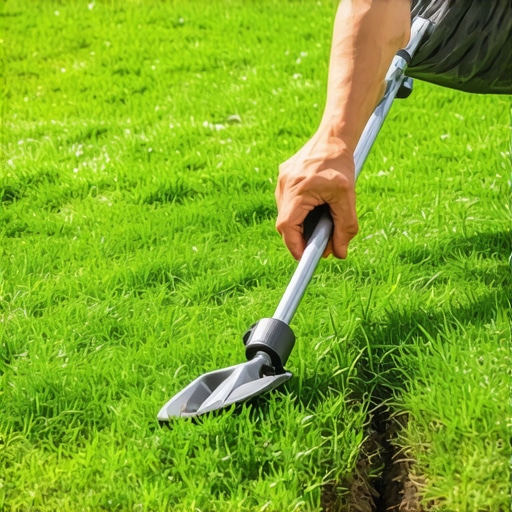
Before you set a single trap, you have to map the site. You are looking for the “main artery.” Moles have travel tunnels they use once and travel tunnels they use daily. If you trap a scouting tunnel, you are wasting your time. To find an active run, take your thumb and collapse a small section of the tunnel in three or four different spots across the yard. Mark them with small flags. Come back in 24 hours. If the tunnel has been reconstructed, you have found a primary travel route. This is where you deploy your hardware. This forensic approach ensures you aren’t chasing ghosts across your acreage.
How much does mole damage cost to repair?
Mole damage repair costs typically range from $200 to $2,000 depending on the extent of the tunneling and the type of turf. Professional trapping services usually charge a flat setup fee plus a per-mole bounty, while soil remediation and re-seeding of collapsed ridges add significant labor and material expenses to the total.
The Remediation Strategies: Engineering the Eviction
We treat mole removal as a multi-stage project. We do not use
![Why Your 2026 Sprinklers Waste Water [Pressure Fix]](https://lawnmajesty.com/wp-content/uploads/2026/07/Why-Your-2026-Sprinklers-Waste-Water-Pressure-Fix.jpeg)