How to Stop Your Garden Mulch from Becoming a Highway for Ants and Mice
How to Stop Your Garden Mulch from Becoming a Highway for Ants and Mice
As a Public Health Sanitarian I at Nassau County and a Health Inspector deeply immersed in New York State’s Sanitary Health Laws, I spend a lot of my time looking at the “unseen” connections between our environment and our health. In 2026, we are seeing a fascinating, albeit frustrating, trend in suburban and urban landscaping. While homeowners are investing more than ever in curb appeal, they are inadvertently laying out a red carpet – or rather, a wood-chip carpet – for some of the most persistent pests in the Northeast.
According to 2026 ConsumerAffairs pest data, residential infestations of ants, spiders, and rodents have surged by nearly 18% over the last two years. The irony is palpable: the very mulch you bought to beautify your flower beds and retain moisture for your prize roses is acting as a high-speed transit system for invaders. From my perspective as a health inspector, mulch isn’t just ground cover; it is a biological matrix that, if mismanaged, facilitates the spread of disease vectors and structural damage. If you want to protect your home, you need to understand that your garden bed is the front line in the war on pests.
The Science of the “Pest Highway”: Why Mulch Attracts Rodents and Insects
To stop the invasion, we must first understand the biology of the “Pest Highway.” Mulch provides the “Big Three” of pest survival: moisture, insulation, and food. When we look at bio-tech pest control strategies, we focus on breaking this cycle. Organic mulch, such as shredded hardwood or bark, is essentially decaying matter. As it breaks down, it creates a warm, damp environment that is a literal buffet for various organisms.
This decomposition process is a primary reason why your mulch is disappearing every year. As it rots, it attracts small invertebrates, which in turn attract larger predators. For instance, decaying organic mulch provides a consistent food source for scavengers, which often leads to a surge in cockroach pest control needs in the surrounding area. Furthermore, the damp wood fibers are an siren song for subterranean termites. In the New York climate of 2026, where humidity levels have fluctuated wildly, damp mulch sitting against a structure is the number one cause of termites new york homeowners face.
Mice, on the other hand, love mulch for the insulation. In the cooler months, a thick layer of mulch acts like a thermal blanket. It allows rodents to tunnel safely away from the eyes of hawks and owls, leading them directly to the small gaps in your home’s exterior. Without proper management, your garden bed becomes a staging ground for a full-scale indoor invasion.
The “Golden Rule” of Mulching: The Foundation Gap
If you take only one piece of advice from a Nassau County Health Inspector, let it be this: Respect the Gap. In my inspections, the most common violation of common-sense pest management is mulch piled directly against the siding or the foundation of a house. This creates a bridge that allows pests to bypass the “death zone” of dry, hot concrete and enter your home’s structural skeleton.
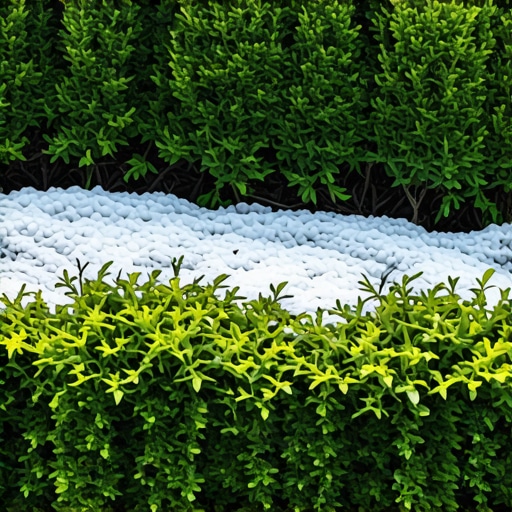
We recommend a 6-to-12-inch “no-mulch zone” around the entire perimeter of your home. This area should ideally be filled with decorative gravel, river rock, or simply left as bare, compacted soil. Why? Because most pests, including those requiring carpenter ant pest control, are hesitant to cross open, dry terrain where they are exposed to predators and desiccation. When mulch touches your siding, it allows carpenter ants to enter wall voids through tiny gaps in the weep holes or behind the starter strip of your vinyl siding. By the time you see them in your kitchen, they’ve already established a satellite colony in your framing.
Furthermore, maintaining this gap allows you to monitor for “mud tubes” created by termites. It also prevents the moisture from the mulch from rotting your sill plate. This is especially important if you are fixing 2026 settled soil around foundations, as new soil and mulch can often be graded improperly, directing water and pests straight toward your basement windows.
Choosing the Right Mulch: Deterrents vs. Attractants
Not all mulch is created equal. In 2026, we have more options than ever, and your choice can dictate whether you’ll need an ant pest control specialist by July.
Cedar and Cypress
These are the “gold standard” for pest-resistant organic mulch. Cedar contains natural oils (thujone) that act as a repellent for many insects, including moths, beetles, and certain types of ants. While it isn’t a 100% barrier, it is far less attractive than standard dyed hardwood mulch. However, be aware that the repellent properties fade as the wood ages and the oils evaporate.
Rubber Mulch
From a public health and sanitation standpoint, rubber mulch has significant advantages. It doesn’t decompose, it doesn’t absorb water, and it offers no nutritional value to insects. Research data in 2026 suggests that homes using inorganic borders see a 40% reduction in ground-level insect intrusions. This makes it an excellent choice for those looking to minimize ant pest control interventions. Biotech pest management professionals often recommend these inorganic barriers for high-risk properties.
Pine Straw
Common in the southern US but increasingly popular in New York for its acidic properties, pine straw is a double-edged sword. While its acidity can deter some soil-dwelling pests, its loose, airy structure makes it the perfect nesting ground for mice pest control issues. Mice find it incredibly easy to burrow through pine needles, and it provides excellent cover from the elements.
5 Common Mulch Errors That Invite Rodents
Avoid these common mistakes to ensure your yard doesn’t become a sanctuary for pests. For a deeper dive, check out our guide on how to Stop Giving Mice a Home: 5 Mulch Errors That Invite Rodents.
- Over-mulching: The “more is better” philosophy is dangerous here. Never exceed a depth of 2 to 3 inches. Any deeper, and you are creating a deep, subterranean habitat for rodents and a moisture trap for fungi.
- Mulching over old mulch: This is a classic homeowner mistake. Piling new mulch on top of old, compacted layers creates a “sandwich” of rot. This trapped layer of decomposition is a primary attractant for scavengers and wood-destroying organisms. Always rake out the old before adding the new.
- Using plastic barriers: The problem with using plastic weed barriers is that they trap water underneath the mulch, creating a stagnant, anaerobic environment. This is a breeding ground for bacteria and a favorite hiding spot for moisture-loving pests like earwigs and centipedes.
- Volcano Mulching: This refers to piling mulch high against the trunks of trees. Not only does this kill the tree by suffocating the root flare, but it also creates a protected “ladder” for rodents and carpenter ants to reach the upper branches and, eventually, your roofline.
- Ignoring Drainage: If your mulch beds are at the bottom of a slope or under a leaky gutter, they will become a swamp. Standing water in mulch is the fastest way to invite a plague. You must Stop 2026 Mosquitoes with These Yard Fixes by ensuring your mulch beds drain away from the foundation.
Natural Deterrents and DIY Hacks
While I always advocate for professional rodent control pest control when an infestation is present, there are several preventative DIY measures you can take to make your mulch less hospitable.
Essential Oils: Recent research into pheromone disruption has shown that peppermint oil and rosemary oil can be effective deterrents for ants and mice. Spraying a concentrated solution around the perimeter of your mulch beds can disrupt the scent trails that ants use to navigate. However, these are temporary and must be reapplied after rain.
The “Pheromone Disruptor” Strategy: In some permaculture circles, the use of predator urine (such as fox or coyote urine, available commercially) is used to scare off rodents. From a professional standpoint, this works by triggering a “landscape of fear,” making the mice believe a predator is nearby. While it sounds unconventional, it is a non-toxic way to signal to rodents that your garden is a dangerous place to nest.
The Fabric Trap: One of the biggest “pro-tips” I can give you is to stop using landscape fabric under your mulch. YouTube research and field observations in 2026 have confirmed that mice love to tunnel *between* the fabric and the soil. It creates a protected, roofed “highway” where they are completely invisible to predators. If you must use a barrier, consider a heavy-duty hardware cloth (metal mesh) buried a few inches down to prevent burrowing.
When the Garden Highway Leads Indoors: NYC and Nassau County Risks
In densely populated areas like the Bronx or Queens, the transition from garden pests to indoor nightmares happens in the blink of an eye. In these urban environments, a small patch of mulch in a front yard can support a surprisingly large population of pests that will eventually seek the warmth of a basement or crawlspace.
If you live in these areas, you should be aware that while mulch itself doesn’t cause bed bugs treatment nyc issues, the cluttered and overgrown landscapes often associated with poor mulching practices provide cover for rodents. These rodents carry parasites like fleas and ticks, which can be introduced into the home. For residents in high-density areas, contacting exterminators bronx or nassau county exterminators at the first sign of a breach is critical.
Our sanitary codes in New York emphasize the “harborage” of pests. If your mulch is contributing to a rodent problem that affects your neighbors, it could technically become a health code violation. It is your responsibility as a homeowner to ensure your landscaping doesn’t become a public health nuisance.
Professional Integrated Pest Management (IPM) for 2026
Sometimes, despite your best efforts with the rake and the right choice of cedar, the pests still win. This is where Integrated Pest Management (IPM) comes in. IPM isn’t just about spraying chemicals; it’s about altering the environment to make it uninhabitable for pests.
If you are dealing with recurring issues, it is time to consult nyc pest control companies that specialize in long-term exclusion. A professional mice exterminator won’t just set traps; they will look at your landscaping and tell you exactly where the “highway” enters your home. Similarly, a pest control termite inspection should be an annual requirement for any home with significant wood-based landscaping.
In 2026, many bio-tech pest control firms are using infrared technology to see the heat signatures of nests deep within mulch beds or behind walls. This precision allows for targeted treatment that is safer for your family and your pets. Don’t wait until you have structural damage to seek professional advice.
Conclusion: Audit Your Mulch Today
To keep your home safe, you must think like a health inspector. Your garden mulch is a living, breathing ecosystem. If you manage it poorly, it becomes a highway for invaders. If you manage it well, it remains a beautiful, functional part of your landscape.
Remember the strategy: Gap, Type, and Depth.
- Maintain a 6-to-12-inch Gap between mulch and your foundation.
- Choose a pest-resistant Type like cedar or rubber.
- Keep the Depth under 3 inches to prevent nesting.
Audit your yard today. Look for signs of tunneling, check the moisture levels against your foundation, and clear away any “mulch volcanoes” from your trees. If the “highway” has already reached your front door and you’re seeing ants in the pantry or hearing scratching in the walls, don’t delay. Contact a biotechtermiteandpest.com specialist to shut down the transit system and reclaim your home.
![Stop Killing 2026 Peonies: 3 Drainage Secrets [Zone 6]](https://lawnmajesty.com/wp-content/uploads/2026/05/Stop-Killing-2026-Peonies-3-Drainage-Secrets-Zone-6.jpeg)