Have you ever planted what seemed like a simple flower bed, only for it to turn into a chaotic mess a few months later? I’ve been there. I thought I knew the basics, but my garden often felt more like a wild jungle than a serene retreat. It wasn’t until I realized I was missing out on expert landscaping tips that I truly started to see my outdoor space transform. That lightbulb moment was a game-changer, and I want to share what I learned so you don’t have to stumble the way I did.
Why Modern Garden Design Can Make or Break Your Outdoor Experience
Let’s be honest. A garden isn’t just about plants. It’s about creating a space that reflects your style, functions well, and withstands the test of time. In 2025, the trend is leaning heavily toward sleek, sustainable, and low-maintenance designs that don’t sacrifice beauty. But to get there, you need more than just a few pretty plants. You need to understand the core principles of modern landscaping and how to apply them to your unique yard.
Have You Faced This Common Landscaping Dilemma?
Many homeowners dive into garden projects with enthusiasm but end up frustrated because their garden doesn’t look or feel the way they envisioned. I used to make the mistake of rushing into planting without planning, which led to overcrowded beds and high maintenance. It wasn’t until I started following expert advice—like the kind found in modern garden design tips—that I began to see real progress. Trust me, a little knowledge from seasoned professionals can save you countless hours and dollars.
So, if you’re tired of your garden feeling like a work in progress or a constant project, stick around. In this post, I’ll show you the essential landscaping tips that will help you craft a stunning, sustainable, and manageable outdoor space in 2025. Ready to make your garden the envy of the neighborhood? Let’s dive in!
Start with a Clear Plan
Before you dig a single hole, sketch out your garden layout. Think of it like creating a blueprint for a house; it guides your decisions and saves you from costly mistakes. I once jumped straight into planting, only to realize later that my shrubs blocked the sunlight for my vegetables. After adopting a detailed plan, everything fell into place. Use online tools or consult a professional to design a cohesive layout that balances aesthetics and functionality.
Define Zones for Function and Style
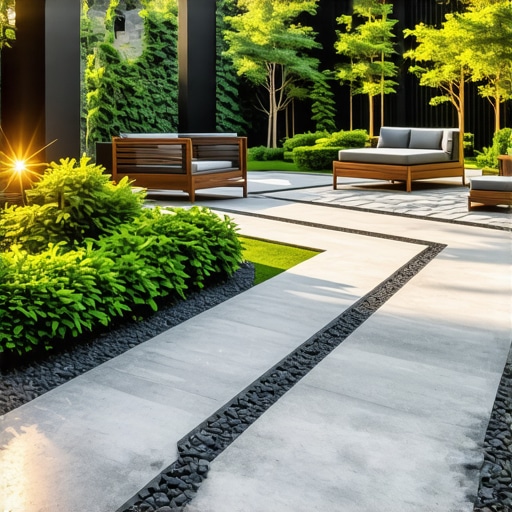
Divide your garden into distinct areas—such as relaxation, play, or vegetable patches. This zoning helps in selecting appropriate plants and hardscaping elements. For example, I created a cozy seating nook with a modern fire pit, which became my favorite spot. Consider pathways, borders, and lighting to seamlessly connect these zones, making your space feel intentional and inviting. Hardscaping ideas for a modern outdoor makeover can be explored here.
Choose the Right Plants for Sustainability
Select native or drought-tolerant plants to reduce water use and maintenance. I made the mistake of planting exotic species that required constant care, which was exhausting. Switching to native perennials and ornamental grasses cut my watering schedule in half. Focus on plants that thrive in your climate, and group them by water and sunlight needs to create a low-maintenance, eco-friendly garden. Expert advice on modern landscaping can be found here.
Implement Hardscaping for Structure and Style
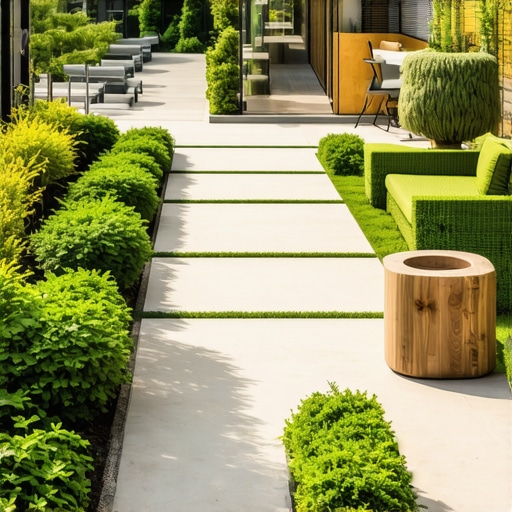
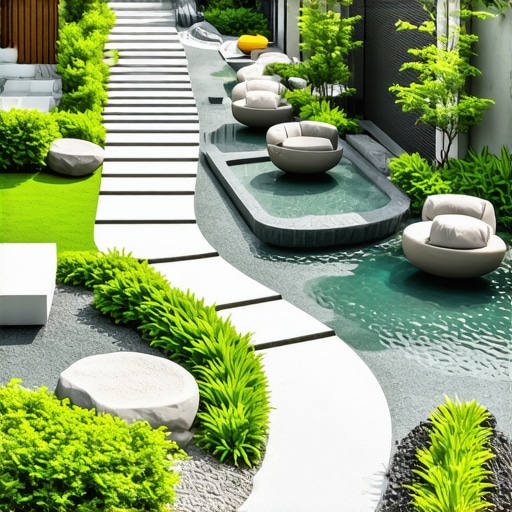
Hardscaping elements like paved patios, retaining walls, or modern fire pits add structure and contrast to plantings. I used concrete pavers to create a sleek patio, which instantly elevated the entire garden. Incorporate clean lines and minimalistic designs that reflect current trends. For inspiration and ideas, check out this collection.
Add Lighting to Highlight Features
Strategic lighting extends your garden’s usability and enhances its beauty at night. I installed subtle LED uplights to accentuate my modern sculptures and pathways. Use warm, soft lighting for cozy zones and brighter fixtures for functional areas. Proper lighting creates a welcoming ambiance and showcases your hard work, making your garden a magical retreat after sunset.
Maintain with Consistency and Care
Finally, regular maintenance keeps your garden looking fresh and inviting. Schedule seasonal pruning, fertilizing, and watering. I set reminders to check my irrigation system and replace worn-out mulch, which keeps pests away and plants healthy. Consistent care ensures your garden remains stunning year-round, fulfilling your modern design vision. For lawn care tips tailored to 2025 trends, visit here.
While most homeowners focus on choosing trendy plants or sleek hardscaping, many overlook the nuanced mistakes that can undermine even the best garden plans. As someone who’s been deep into landscape design trends, I can tell you that understanding these pitfalls can save you time, money, and frustration. Let’s dig deeper into what most people get wrong about modern garden landscaping and how to sidestep these common traps.
Why Following Popular Trends Can Backfire
It’s tempting to jump on the latest trends—like minimalist water features or native plant gardens—because they look appealing in magazines. However, blindly following trends without considering your climate, soil, and lifestyle can lead to disappointment. For example, a water-efficient xeriscape in a humid area might require constant maintenance to prevent mold and mildew. Instead, consult expert sources like modern landscaping tips that emphasize contextual suitability rather than blind trend adoption.
Common Myth: More Is Always Better
A prevalent misconception is that a lush, densely planted garden is the goal. But overcrowding plants can lead to poor air circulation, increased pests, and higher maintenance. Advanced landscapers recommend strategic spacing and zoning—allowing plants to breathe and thrive. For instance, grouping native perennials enhances sustainability and reduces upkeep, which is a nuanced approach often overlooked by beginners. Discover more about expert garden design at elite garden design tips.
Beware of the Trap: Ignoring Hardscaping’s Role
Many underestimate how vital hardscaping is in balancing a garden’s aesthetic and functionality. Hardscape elements like pathways, retaining walls, and patios are not just decorative—they shape the flow and usability of your space. A common mistake is installing these features without considering their impact on drainage or future expansion. For example, poorly placed retaining walls can lead to erosion or water pooling. To master this aspect, check out effective hardscaping strategies tailored for modern gardens.
Advanced Question: How Do I Balance Aesthetics and Sustainability?
Striking this balance requires a sophisticated approach—integrating native plants, water-saving irrigation, and eco-friendly materials. It’s not just about making your garden look good but ensuring it functions with minimal environmental impact. I recommend consulting dedicated resources like modern landscaping expert advice for actionable insights. Remember, a sustainable garden isn’t just trendy; it’s a long-term investment in your landscape’s health and beauty.
Have you ever fallen into this trap? Let me know in the comments. Being aware of these hidden nuances can elevate your garden from a simple project to a landscape masterpiece that’s both stunning and sustainable. Keep learning, and your outdoor space will reward you for years to come!
Maintaining a beautiful and functional garden over time requires the right tools and consistent care strategies. After implementing advanced landscaping techniques, I’ve found that a few specific tools and methods make a significant difference in keeping my outdoor space thriving with minimal effort. In this post, I’ll share the tools I recommend and practical maintenance tips that will help your garden stay stunning for years to come.
Invest in Quality Equipment for Long-Term Savings
One of the first investments I made was in a high-quality cordless electric hedge trimmer. Unlike cheap, corded models, my battery-powered trimmer offers the flexibility to shape and prune shrubs without worrying about extension cords or limited reach. The *Makita XHU07Z* has proven reliable, delivering consistent power and minimal maintenance. For lawn care, I rely on a self-propelled mower with adjustable cutting heights, such as the *Husqvarna Automower*—it reduces physical effort and ensures an even cut, which is crucial for modern, sleek landscapes.
Harness Smart Technology for Precision Care
Smart irrigation controllers, like the *Rachio 3*, have revolutionized how I water my garden. These systems integrate weather forecasts and soil moisture sensors, adjusting watering schedules automatically. This not only conserves water but also prevents over- or under-watering, which can damage plants and increase maintenance. I also use a soil testing kit from *Rapitest* to monitor pH and nutrient levels, ensuring my native plants thrive without guesswork. Embracing these digital tools can significantly streamline garden care and help you achieve sustainable results.
Set Up a Routine for Consistent Results
To keep my garden looking its best, I follow a seasonal maintenance schedule. Every spring, I prune dead branches and check hardscape features for damage—using a sturdy, sharp pruning saw like the *Bahco Laplander* ensures clean cuts that promote healthy growth. During summer, I regularly inspect irrigation systems and replace mulch to suppress weeds. Fall calls for leaf cleanup and preparing plants for dormancy. Having a dedicated toolkit, including a durable pair of pruning shears, a garden fork, and a wheelbarrow, makes these tasks manageable and efficient.
Future Trends: Automation and Eco-Friendly Tools
Looking ahead, I predict garden maintenance will become even more automated, with robotic mowers and AI-driven landscape management systems becoming mainstream. Additionally, eco-conscious tools, such as solar-powered garden lights and battery-operated trimmers, will continue to gain popularity, aligning with sustainability goals. Staying updated on these innovations can help you adopt the most effective methods for a low-maintenance, modern garden.
How do I keep my garden working over time?
The key is a combination of durable, efficient tools and a disciplined maintenance routine. Regular inspections, timely pruning, and embracing smart technology ensure your landscape remains vibrant and healthy. I highly recommend trying out a smart irrigation controller like the *Rachio 3*—it’s a game-changer for reducing water waste and saving time. With the right equipment and consistent care, your garden will continue to impress year after year.
The Hardest Lesson I Learned About Modern Garden Landscaping
One of the toughest lessons was realizing that rushing into planting without a solid plan often leads to chaos, not beauty. I once filled my garden with colorful plants, only to find they clashed or needed constant attention. It wasn’t until I took the time to sketch a detailed layout and zone my garden that everything started to look cohesive and manageable. This taught me that a strategic plan is the backbone of a stunning, sustainable garden.
How Native Plants Changed My Approach to Maintenance
Switching to native, drought-tolerant plants was a game-changer. I used to spend hours watering and pruning exotic species that required special care. Native plants, grouped by water and sunlight needs, created a low-maintenance oasis. This approach not only saved me time and money but also supported local biodiversity, proving that sustainability and style can go hand in hand.
Lighting Up My Garden Taught Me the Power of Subtlety
Strategic lighting transformed my garden into a nighttime retreat. Installing LED uplights to highlight sculptures and pathways made the space inviting after sunset. I learned that well-placed, warm lighting enhances the ambiance and showcases your hard work. It’s a simple addition with a big impact, turning a daytime garden into a magical evening escape.
Why Hardscaping Is the Unsung Hero of Modern Design
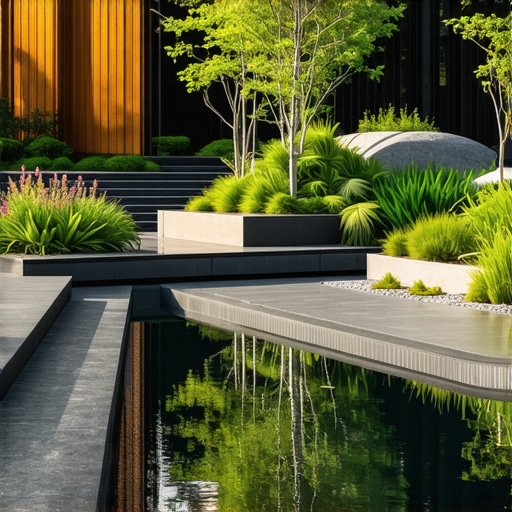
Hardscaping elements like sleek patios and modern fire pits add structure and contrast. I initially underestimated their role, but integrating clean lines and minimalistic features elevated my entire garden. Proper hardscaping also improves drainage and flow, making your outdoor space both beautiful and functional. It’s the secret ingredient that ties everything together seamlessly.
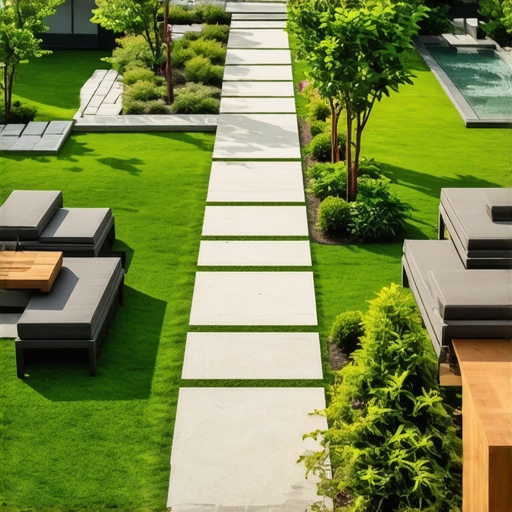
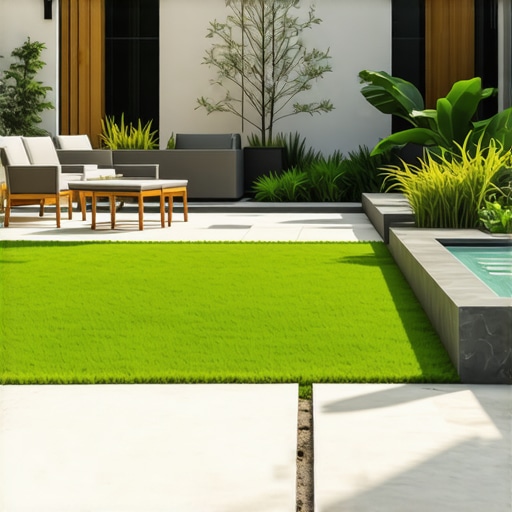
Reading through these landscaping tips really resonated with me, especially the emphasis on planning before planting. I used to jump straight into planting without a clear layout, which led to overcrowding and higher maintenance. Once I started sketching my garden and defining zones, everything became much more manageable and visually appealing. I find that incorporating sustainable plants native to my region not only reduces water usage but also supports local ecosystems—a win-win! One challenge I’ve faced is lighting; I’d love to highlight certain features without overdoing it. Has anyone experimented with different lighting styles or fixtures that create a cozy ambiance at night without overwhelming the space? I’m curious about your experiences or suggestions, especially with eco-friendly options. Overall, I think the key to a successful modern garden is a thoughtful design combined with practical maintenance routines. It’s fascinating how small adjustments can make such a big difference in creating a serene yet functional outdoor retreat.
This post really hits the mark on why planning is so crucial before diving into any garden project. I’ve learned the hard way that rushing into planting—without a solid blueprint—can lead to overcrowded beds and increased upkeep. Embracing a detailed layout, like the one you suggested, has been a game-changer for me, especially when integrating native plants. I find that creating designated zones not only makes maintenance easier but also helps define the character of the garden. A personal favorite tip I’ve adopted is using low-maintenance drought-tolerant plants in the xeriscape sections; they look great and save water, which is especially important here in California. Regarding lighting, I’ve experimented with solar-powered path lights and subtle spotlights that highlight features without overwhelming the space, creating cozy evening ambiance. Do others have favorite eco-friendly lighting options or DIY tips for outdoor illumination? I’d love to hear your ideas about balancing aesthetics and sustainability in garden lighting. Cheers to creating beautiful, functional outdoor retreats that stand the test of time!