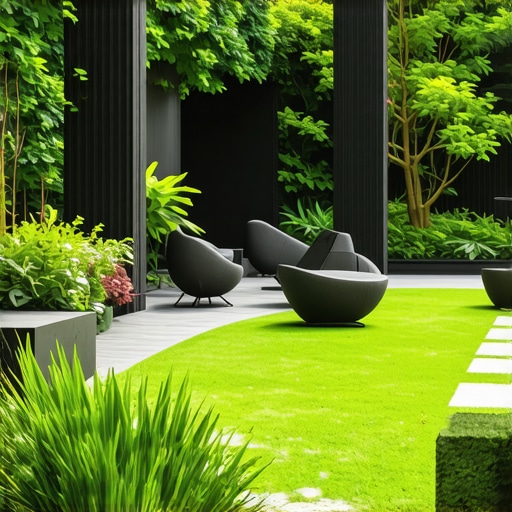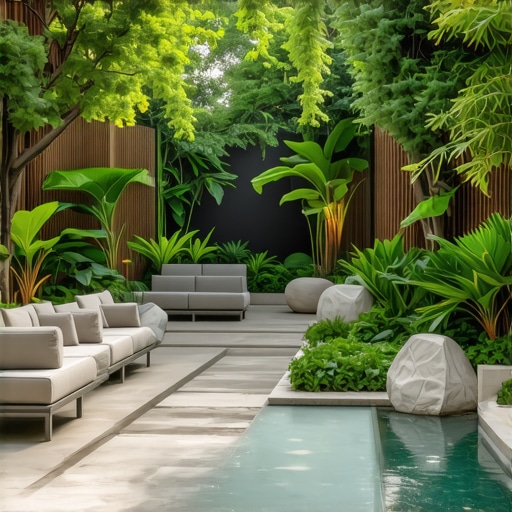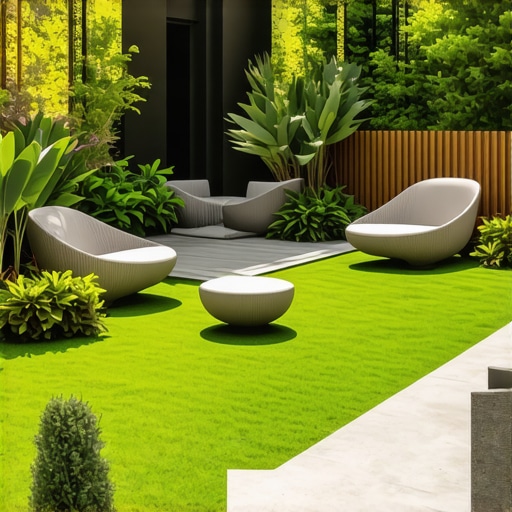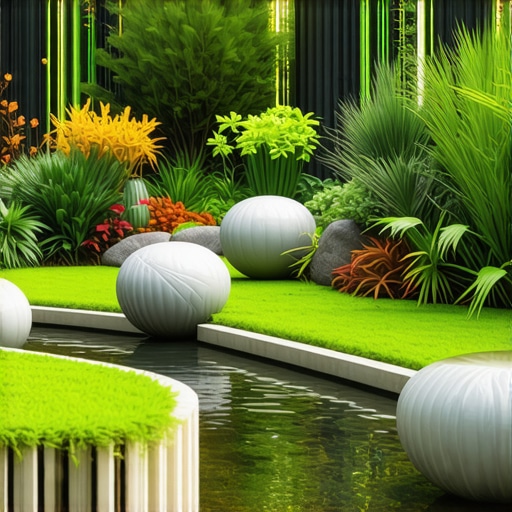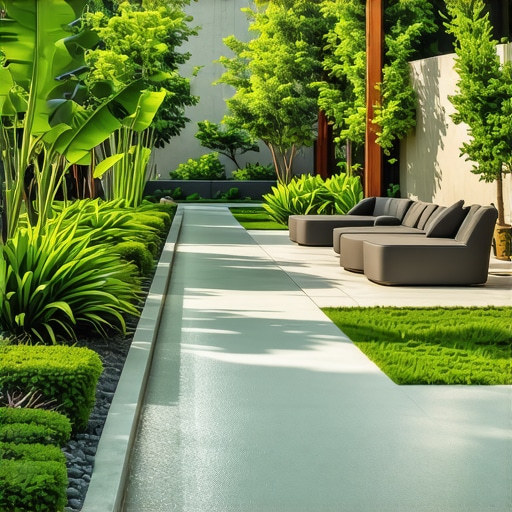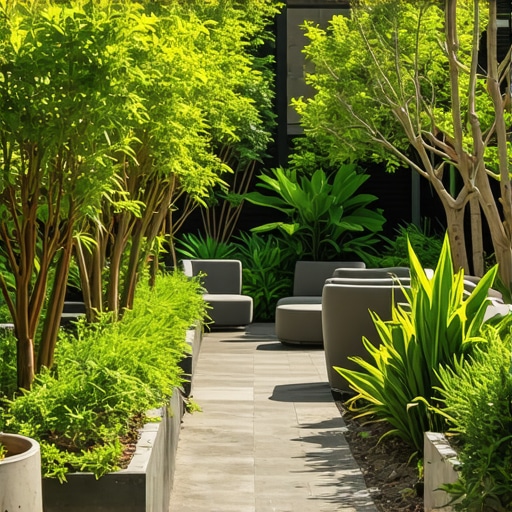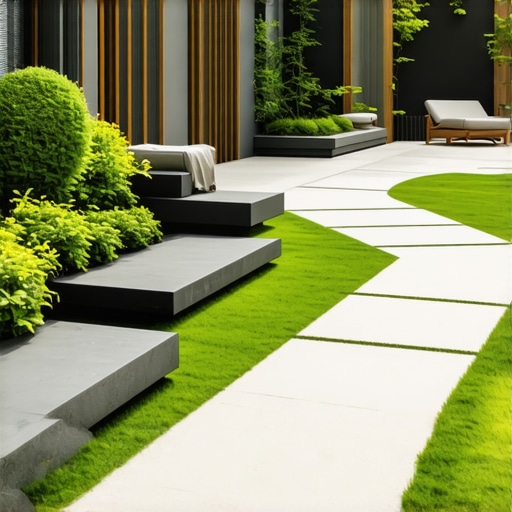
One summer evening, I looked out my window and realized my garden no longer reflected the modern, stylish outdoor space I dreamed of. Instead, it felt cluttered, outdated, and uninspiring. That lightbulb moment pushed me to dive deep into modern garden design and landscaping, transforming my yard into a sleek, inviting retreat. If you’ve ever felt the frustration of a lackluster outdoor space, you’re not alone. Many homeowners struggle to balance aesthetics, functionality, and modern trends, especially with so many conflicting tips out there.
Why Elevating Your Garden Matters More Than Ever
In 2025, outdoor spaces are becoming more than just backdrops for family barbecues—they’re extensions of our homes, reflections of our personalities, and sanctuaries for relaxation. According to a recent survey, over 70% of homeowners plan to invest in upgrading their gardens this year, prioritizing modern aesthetics and sustainable practices. But here’s the catch: jumping into trendy garden ideas without a plan often leads to costly mistakes and disappointment. I learned this the hard way early on. I once spent a fortune on flashy plants and hardscaping features that didn’t quite fit together, leaving my yard feeling disjointed and overdone. That mistake taught me the importance of strategic planning and understanding current trends—especially those that promise lasting beauty and functionality.
If you’re eager to avoid these pitfalls and create a stunning outdoor space in 2025, this guide is for you. We’ll cover proven tips, common mistakes, and practical steps to help you design a garden that’s both modern and timeless. Ready to turn your outdoor area into an eye-catching haven? Let’s get started.
Is Modern Garden Design Actually Worth the Hype?
Early in my journey, I believed that following every new trend would automatically result in a gorgeous garden. Turns out, I was wrong. I made the mistake of copying ideas without considering my space’s unique features or my lifestyle. That’s why I recommend focusing on *what works for you*, not just what’s popular. For example, incorporating sustainable hardscaping ideas can enhance durability and reduce maintenance, as highlighted in Lawn Majesty’s comprehensive guide on hardscaping ideas for a modern outdoor makeover in 2025. This approach ensures your garden remains stunning and functional for years to come.
So, have you faced the challenge of blending trendiness with practicality? If yes, don’t worry—you’re in good company. The key is to make informed decisions that align with your space, budget, and style. Now, let’s explore how to do just that, starting with understanding the core principles of modern garden design.
Map Out Your Vision First
Start by visualizing what you want your garden to become. Think of it as sketching a blueprint before construction—this step prevents costly errors later. I once grabbed a bunch of trendy plants without a plan, which led to overcrowding and mismatched styles. Instead, I sat down with a pen and paper, mapped out zones for lounging, dining, and planting, and kept my style consistent. To get inspired, browse garden design inspiration and note what resonates with your taste and space.
Select a Cohesive Theme
Establishing a theme simplifies decision-making. Whether you prefer sleek minimalism or lush greenery, choosing a consistent style ensures harmony. For example, I opted for a modern, minimalist look with clean lines and neutral tones. This choice made selecting hardscaping materials and plants easier, creating a unified appearance. Think of your garden as a fashion outfit—everything should complement each other. Review hardscaping ideas for modern aesthetics to find elements that match your theme.
Prioritize Hardscaping for Structure
Hardscaping provides the foundation for your garden’s design. Use durable materials like concrete pavers, sleek stone, or composite decking to create pathways, patios, and borders. I found that incorporating hardscaping strategies helped define zones and reduced maintenance. Think of hardscaping as the skeleton of your garden—strong, supportive, and shaping the overall form. When planning, consider the flow of foot traffic and how different areas connect visually and functionally.
Choose Plants That Speak Your Style
Opt for plants that align with your theme and local climate. For a modern look, select architectural plants like succulents, ornamental grasses, and clean-lined shrubs. I experimented with different arrangements, placing tall grasses along pathways to add vertical interest. Remember, plants should complement hardscape elements, not compete with them. To ensure longevity and low maintenance, focus on native or drought-tolerant species, which thrive with less water and care. Check modern landscaping ideas for plant selection tips.
Integrate Lighting for Mood and Function
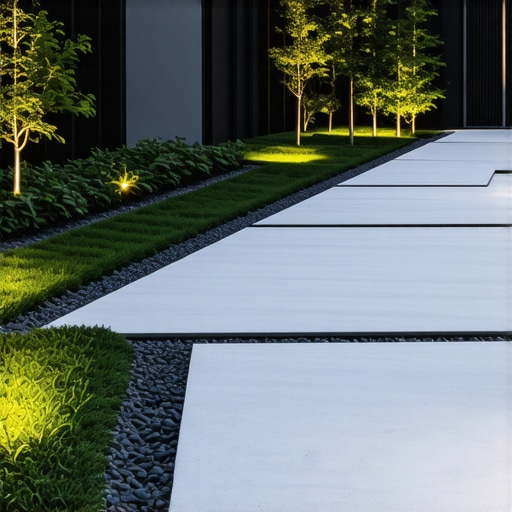
Lighting transforms your garden after sunset, highlighting features and creating ambiance. Use sleek, low-voltage LED fixtures along pathways and around seating areas. I installed minimalistic sconces on walls and spotlights to emphasize focal points. Proper lighting not only enhances aesthetics but also improves safety. Think of it as jewelry for your landscape—adding the perfect finishing touch. For ideas on lighting trends, explore lighting trends for 2025.
Maintain with Consistency
Regular upkeep keeps your modern garden looking fresh. Mow, prune, and weed consistently, and refresh mulch annually. I set a seasonal schedule that included trimming and replacing any worn-out plants. Proper maintenance ensures your garden remains a sleek, inviting space year-round. For a comprehensive guide, visit lawn care tips tailored for modern landscapes.
While many enthusiasts jump into modern garden design with enthusiasm, there are several misconceptions that can hinder your progress or lead to costly mistakes. As an expert in landscape architecture, I’ve observed recurring pitfalls that even seasoned DIYers often fall into. Let’s dig deeper into some of these overlooked nuances to help you craft a truly stunning outdoor space.
Why Following Trends Without Nuance Can Backfire
Everyone says you need the latest trendy plants or hardscaping features, but in my experience, blindly following trends can result in a mismatched, high-maintenance garden. For example, popular succulents might look sleek, but if your climate isn’t suitable or if they require more care than you realize, they become a burden. Instead, opt for sustainable hardscaping ideas that consider your local climate and your lifestyle, ensuring longevity and ease of maintenance. For insights on this, check out hardscaping strategies that align with your needs.
Beware of the One-Size-Fits-All Approach
Many believe that copying a garden design from a magazine or a website guarantees success. However, every space has unique conditions—soil type, sunlight exposure, and existing structures—that influence what works best. Overlooking these nuances can lead to plants that struggle or hardscape features that don’t fit well. Tailor your plan to your specific environment for a more harmonious and sustainable result. For advanced gardeners, considering native species and drought-tolerant plants can significantly reduce ongoing maintenance. To learn more about choosing the right plants, see plant selection tips.
How Can You Avoid the Trap of Over-Designing?
One common mistake is overloading your garden with too many features or plants, thinking it will look more impressive. But in reality, this cluttered approach diminishes the sleek modern aesthetic you desire. Remember, simplicity and clean lines often have a more striking impact. Focus on a few key elements—like a well-designed patio, a statement plant, and subtle lighting—to create a balanced, refined look. Proper spacing and proportion are crucial; otherwise, your garden may feel overwhelming. For tips on maintaining this balance, explore design principles.
What Advanced Mistakes Do Even Experts Make?
In my experience, even experienced designers sometimes overlook the importance of ongoing maintenance in their initial plans, assuming that a modern garden design will stay perfect without regular care. This oversight can lead to overgrown plants, uneven hardscape surfaces, or dull lighting over time. A truly successful modern garden incorporates maintenance planning right from the start, ensuring your outdoor space remains stunning for years. Regular upkeep, such as trimming, cleaning, and updating lighting, is essential. For more detailed guidance, visit maintenance tips for lasting beauty.
Have you ever fallen into this trap? Let me know in the comments. Avoiding these pitfalls can make your garden transformation smoother and more rewarding, turning your outdoor space into a true modern masterpiece.
Maintaining a modern garden requires not only a good plan but also the right tools and consistent care. Over the years, I’ve tested various equipment and techniques to keep my outdoor space looking sharp and thriving. Today, I want to share the tools I recommend and how to keep your garden functioning beautifully for the long term. Whether you’re just starting or looking to refine your maintenance routine, these insights will help you sustain your garden’s modern aesthetic.
Invest in Quality Power Tools for Efficiency
When it comes to lawn and garden maintenance, I swear by a cordless electric mower like the GreenWorks Pro 21-inch model. Its lightweight design makes it easy to maneuver, and the battery life is sufficient for my medium-sized yard. Using a reliable mower ensures clean cuts and promotes healthy grass growth, reducing the need for frequent reseeding. For trimming hedges and shaping plants, I rely on a high-quality cordless hedge trimmer such as the BLACK+DECKER LHT2436. Its ergonomic grip and sharp blades make pruning quick and precise, which is crucial for maintaining sleek, modern lines.
Utilize Smart Irrigation Systems for Sustainability
Keeping plants healthy with minimal fuss is easier with a smart irrigation controller like Rachio. I program it to water my garden early in the morning, adjusting for weather forecasts and soil moisture levels. This not only conserves water but also ensures my drought-tolerant plants stay vibrant without overwatering. These systems can be managed via smartphone, giving you control and peace of mind even when you’re away. As the trend toward sustainable gardening grows, integrating smart watering technology is becoming essential for long-term garden health.
Embrace Digital Tools for Design and Planning
To keep my garden aligned with modern aesthetics, I use landscape design software like SketchUp. It allows me to visualize changes before executing them, saving time and money. I can experiment with different hardscaping layouts, plant placements, and lighting schemes in a virtual environment. This approach helps me identify potential issues early and refine my design iteratively. As technology advances, I see more gardeners adopting these digital tools to maintain precise and inspiring outdoor spaces.
How do I maintain my garden over time?
Consistent maintenance is key. I schedule weekly tasks such as mowing, pruning, and weeding to keep everything tidy. Monthly, I check irrigation systems for leaks or clogs and replace mulch to suppress weeds and retain moisture. Additionally, I regularly monitor plant health, removing dead or overgrown growth to promote new, vigorous shoots. Using organic fertilizers like compost tea provides nutrients without disrupting the modern, minimalist vibe. Staying disciplined with these routines ensures my garden remains a stunning, functional retreat year-round. For detailed guidance, you can visit modern lawn care tips.
Looking ahead, I believe smart gardening tools will become even more integrated with home automation systems, making garden maintenance more intuitive and less time-consuming. So, I encourage you to try incorporating a smart irrigation controller or digital landscape planner into your routine. These investments will pay off by enhancing your garden’s health and aesthetic appeal over the years.
The Hidden Lessons Modern Garden Design Taught Me
- One of the biggest realizations was that simplicity truly stands out. Overloading a garden with too many features dilutes its impact, making it less inviting and harder to maintain. I learned to focus on a few key elements that create a strong visual statement.
- Another lesson was the importance of planning ahead. Sketching my layout before buying plants or hardscaping materials saved me from costly mistakes and mismatched styles. It’s a step that pays off in longevity and beauty.
- Despite the allure of trendy plants, I found native and drought-tolerant species made my garden more sustainable and easier to care for, aligning with modern eco-friendly practices.
- Lighting is often overlooked but transforms a garden after sunset. Thoughtful placement of LED fixtures can dramatically elevate the ambiance and safety of your outdoor space.
- Lastly, ongoing maintenance is key. Even the most stunning design can deteriorate without regular care. Incorporating a maintenance plan from the start ensures your garden remains a modern masterpiece for years to come.
My Go-To Resources for a Modern Garden Makeover
- Ultimate Guide to Lawn Care and Garden Design: This comprehensive resource offers step-by-step advice tailored for modern homes and has been my go-to for planning and executing my yard transformation.
- Hardscaping Ideas for 2025: I trust this site for innovative, sustainable hardscaping strategies that add structure without clutter. It’s perfect for creating sleek pathways and patios.
- Modern Landscaping Inspiration: Browsing through this collection kept my ideas fresh and aligned with current trends, ensuring my garden looked both modern and timeless.
- Design Software Tools: Digital tools like SketchUp helped me visualize my layout, experiment with plant placements, and refine my design before breaking ground.
Your Next Step Toward a Modern Garden
Creating a modern garden isn’t just about following trends; it’s about crafting a space that reflects your style, suits your environment, and remains functional over time. With the right planning, tools, and mindset, you can turn your outdoor space into a stunning retreat that you’ll enjoy for years. Don’t wait for the perfect moment—start envisioning, planning, and transforming your garden today. Your beautiful, modern outdoor oasis is within reach!
What’s the first feature you would love to add to your modern garden? Share your ideas below and let’s inspire each other!