
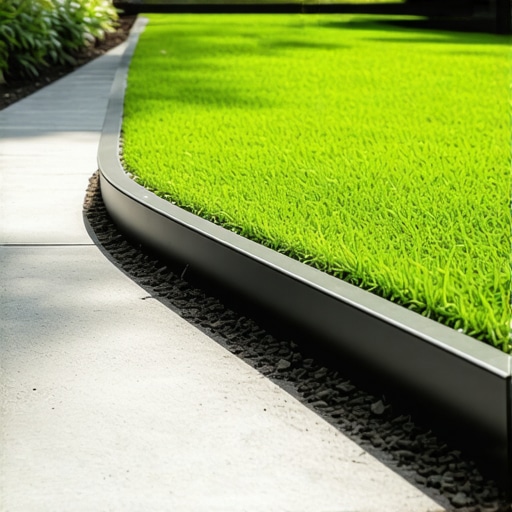
Modern Metal Edging for Clean 2026 Garden Lines
Why Professional Grade Metal Edging is the Foundation of 2026 Garden Design
Modern metal edging provides a permanent, structural boundary between competing landscape elements like turf grass and hardscape aggregates, ensuring clean lines that resist frost heave and root migration through 2026 and beyond. Unlike plastic or wood, heavy-gauge metal survives the mechanical stress of string trimmers and the thermal expansion of varying soil types. I recently got called out to tear up a $30,000 patio that was sinking because the previous contractor used cheap plastic edging that collapsed under the lateral pressure of the pavers and the freeze-thaw cycles of the local clay. The lack of a rigid, pinned metal restraint allowed the entire base layer of modified gravel to migrate into the flower beds. It was a structural failure masked as an aesthetic one. Don’t make that mistake. If the edge fails, the entire design follows it into the dirt.
The Engineering Physics of Garden Borders
The primary function of landscape edging is to counteract hydrostatic pressure and soil movement while creating a physical barrier for rhizomatous turf grasses. For a border to remain straight over a decade, it must be anchored below the organic duff layer and into the mineral soil.
“A retaining wall or garden edge doesn’t fail because of the material; it fails because of the water trapped behind it or the lack of proper base compaction.” – Hardscape Engineering Axiom
In my 20 years of site work, I’ve seen that 14-gauge steel or 1/8-inch aluminum is the minimum standard for professional results. Anything thinner is just a suggestion to the grass, not a command. You need material that can handle a 3-pound sledge hammer during installation without buckling.
How deep should metal garden edging be buried?
To prevent frost heave and grass bypass, metal garden edging should be installed with at least 3 to 4 inches of the profile below the soil surface, leaving only 0.5 to 1 inch visible above the grade. This depth ensures the metal cuts through the primary root zone of most cool-season grasses. In heavy clay soils, you must go deeper. If you leave more than an inch of metal exposed, you’re creating a trip hazard and a target for your lawn mower blades. It will bend. You will regret it. Use 12-inch heavy-duty steel stakes driven at 45-degree angles every 3 feet to lock the sections in place. This creates a structural skeleton that the soil anchors against.
| Material Type | Typical Gauge/Thickness | Expected Lifespan | Best Use Case |
|---|---|---|---|
| Corten Steel | 14ga to 3/16″ | 25+ Years | Arid or temperate climates; rustic aesthetic |
| T6 Aluminum | 1/8″ (0.125″) | 40+ Years | High-moisture areas; salt-heavy coastal zones |
| Galvanized Steel | 16ga to 14ga | 15-20 Years | Budget-conscious professional installs |
| Plastic/Composite | N/A | 2-5 Years | Temporary DIY fixes (Avoid) |
Material Selection: Aluminum vs. Weathering Steel
Choosing between aluminum and Corten steel depends entirely on your soil pH and the specific micro-climate of your property. Aluminum is the workhorse of the industry because it does not rust and is lightweight enough for long runs without heavy machinery. It is perfect for 2026’s minimalist design trends which favor thin, silver or black powder-coated lines.
“Aluminum edging is preferred in high-moisture environments because the oxidized layer provides a self-healing protective barrier against further corrosion.” – Agricultural Extension Material Science Manual
However, Corten steel—also known as weathering steel—is the king of structural integrity. It develops a stable rust patina that actually protects the inner steel from further degradation. If you are working in a region with high salt content in the air, stick to aluminum. Steel will eventually pit and flake in high-saline environments.
Does steel edging rust through?
Quality weathering steel edging will not rust through for several decades because the surface oxidation forms a dense protective layer that slows the rate of future corrosion to nearly zero. Cheap, thin-gauge mild steel from big-box stores is not the same thing. Those products lack the copper, chromium, and nickel alloys found in true Corten. Those will flake away into the soil within five years, leaving you with jagged, dangerous shards. You get what you pay for. Professional-grade steel is an investment in the civil engineering of your yard.
The Ground-Up Build: Step-by-Step Installation
Proper installation of modern metal edging starts with a clean vertical trench, not a slanted one. A common rookie mistake is trying to ‘push’ the edging into the ground. This results in wavy lines and compromised joints. Follow this checklist for a 20-year result:
- Mark the line with high-visibility marking paint or a heavy string line.
- Use a sharp-edged spade or a gas-powered bed redefiner to cut a 5-inch deep vertical trench.
- Remove all rocks and roots from the trench floor to ensure a level base.
- Place the edging in the trench, overlapping joints by at least 4 inches (telescoping).
- Drive stakes through the integrated slots at a slight angle for maximum pull-out resistance.
- Backfill both sides simultaneously with native soil or 1/4-inch minus screenings, tamping firmly.
The soil should be so compacted after backfilling that the edging cannot be moved by hand. If it wobbles, it’s not finished. Don’t skip the tamping. If you leave air pockets, the winter freeze will eject the stakes like a slow-motion explosion.
2026 Design Trends: The Minimalist Border
The 2026 design aesthetic is moving toward hyper-clean transitions where the edging is almost invisible. This is achieved by using 1/8-inch aluminum in a dark bronze or black finish that disappears into the shadows of the mulch line. This creates a ‘floating’ look for the lawn. This isn’t just about looks; it’s about lawn care efficiency. A clean, rigid edge allows a mower to run its wheels directly on the border without fear of catching a plastic lip. This reduces the need for secondary string trimming by 80%. It is a pragmatic choice for the high-end homeowner. We are seeing a move away from the ‘heavy’ look of stone borders toward the ‘razor’ look of metal. It’s cleaner. It’s sharper. It’s more professional.
Soil Health and Chemical Considerations
When installing metal near ornamental plantings, you must consider the soil microbiology. Some cheap galvanized coatings can leach excess zinc into the soil if the pH is below 5.5. This is why I always test the soil before a major install. If your soil is highly acidic (common in pine-heavy regions), stick to aluminum or powder-coated steel. You don’t want to create a chemical barrier that stunts the very plants you are trying to frame. Also, avoid ‘mulch volcanoes’ against your edging. Keep the mulch depth to 2-3 inches. Any higher and you’re just providing a bridge for grass stolons to climb over your expensive new metal border. It will rot the base of your plants too. Just don’t do it.
![Build a $50 2026 Rain Barrel System [Save Water]](https://lawnmajesty.com/wp-content/uploads/2026/07/Build-a-50-2026-Rain-Barrel-System-Save-Water.jpeg)