Stop 2026 Concrete Heave with These 3 Base Tips
The Hardscape Autopsy: Why Your $30,000 Investment is Cracking
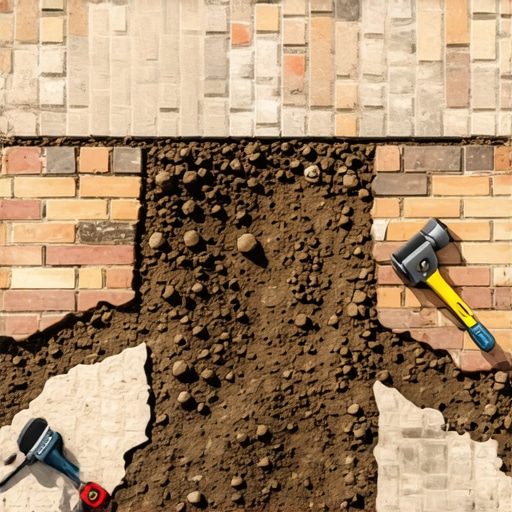
I recently got called out to tear up a $30,000 patio that was sinking because the previous contractor thought two inches of stone dust over raw clay was a professional foundation. It was not. Within two winters, the freeze thaw cycle turned that expensive slate into a jagged topographical map. I spent three days excavating what should have been done right the first time. The soil beneath was a saturated mess, holding water like a sponge. When the temperature dropped below 32 degrees, that water expanded, and the physics of ice won the battle against the concrete. This is the hard reality of hardscaping: if you ignore the subgrade, the frost will destroy your work every single time.
Understanding Frost Heave and Hydrostatic Pressure
Frost heave is the upward movement of soil and hardscaping caused by the formation of ice lenses beneath the surface. When water saturates the soil and freezes, it expands by exactly 9 percent, creating hydrostatic pressure that can lift thousands of pounds of concrete with ease. To stop this, you must eliminate the water or create a base that can withstand the expansion without shifting.
“A retaining wall doesn’t fail because of the stone; it fails because of the water trapped behind it.” – Hardscape Engineering Axiom
How much modified gravel do I need for a patio base?
For a standard pedestrian patio, you need a minimum of 6 inches of 2A modified gravel, while driveways or heavy traffic areas require 8 to 12 inches. This depth ensures the load is distributed across the subgrade and provides enough air voids to mitigate the vertical force of freezing water molecules.
Tip 1: The Non-Woven Geotextile Separation Layer
The first step to stopping heave is installing a non-woven geotextile fabric between your raw soil and your aggregate base. Many hacks skip this to save 50 cents a foot. Don’t. Without this fabric, your heavy gravel will eventually migrate down into the soft clay or silt below, a process known as subgrade contamination. Once the stone mixes with the dirt, you lose the structural integrity of the base. The fabric acts as a filter, allowing water to pass through while keeping the stone and soil in their respective places. It is the literal skin of your foundation. It must be pulled taut and overlapped by at least 12 inches at the seams. If you don’t use fabric, you’re building on a lie.
| Material Type | Primary Function | Drainage Rating |
|---|---|---|
| 2A Modified Gravel | Structural Load Bearing | Moderate |
| #57 Clean Stone | Drainage and Water Storage | High |
| Non-Woven Fabric | Soil Separation | Excellent |
| Polymeric Sand | Joint Stabilization | Low |
Tip 2: Achieving 98 Percent Proctor Density
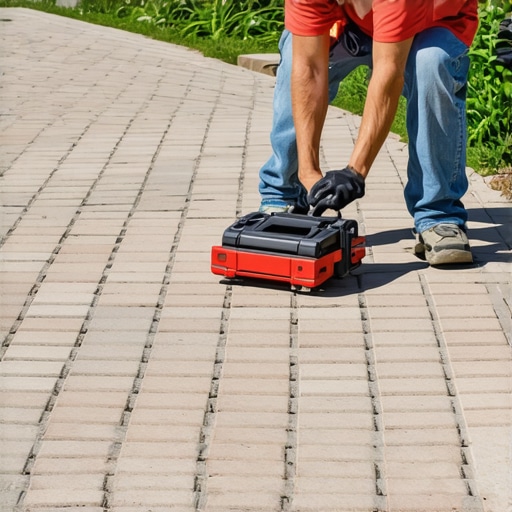
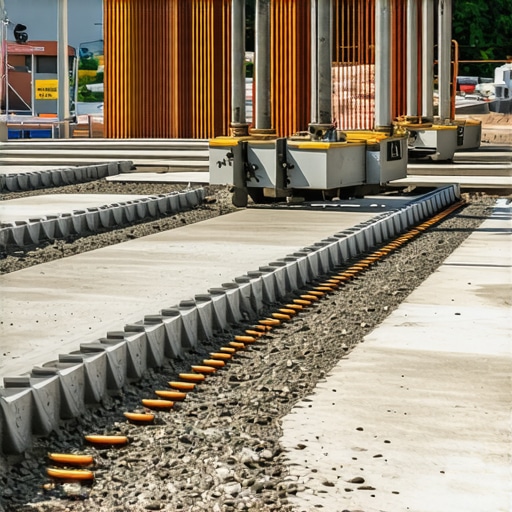
You cannot simply dump gravel and start pouring concrete. You must achieve a 98 percent Proctor density through mechanical compaction. This means using a vibratory plate compactor or a trench roller in 2 inch to 4 inch lifts. If you try to compact 6 inches of gravel at once, the bottom 3 inches will remain loose. This hidden pockets of air eventually fill with water, freeze, and cause the heave you are trying to avoid. When you are done, the tamper should literally bounce off the compacted base with a metallic ring. That sound tells you the aggregate friction is at its peak. No movement. No air. No failure. [IMAGE_PLACEHOLDER_1]
Why does concrete crack in winter?
Concrete cracks in winter because the subgrade moisture freezes and exerts upward pressure that exceeds the flexural strength of the slab. Without a capillary break provided by clean stone or properly compacted gravel, the concrete becomes a victim of the soil’s natural expansion and contraction cycles.
Tip 3: Integrated Hydrostatic Management
Water is the enemy of every hardscape project. To prevent heave, you must move water away from the slab using pitch and drainage. Every patio should have a minimum slope of 1/8 inch to 1/4 inch per linear foot. If the water sits on the surface, it will eventually find its way into the joints and under the base. I recommend installing a French drain or a perforated pipe wrapped in #57 stone along the high side of any concrete installation. This captures subsurface water before it reaches the patio base and redirects it to a lower point on the property. You are not just building a patio; you are managing a watershed.
“Compaction and drainage are the two pillars of hardscape longevity; ignore one and the other cannot save you.” – Interlocking Concrete Pavement Institute Standards
- Step 1: Excavate to a depth of 10 to 12 inches.
- Step 2: Grade the subgrade soil to match the finished pitch.
- Step 3: Lay non-woven geotextile fabric across the entire footprint.
- Step 4: Add 2 inches of 2A modified stone and compact thoroughly.
- Step 5: Repeat stone lifts until the desired base height is reached.
- Step 6: Check density with a penetrometer or the ‘bounce test’.
The Year-One Expectation
After the first winter, your hardscape will settle. This is normal, provided you built a solid base. You might see minor hairline fractures in joint sand, but the slab or pavers should remain level. If you see more than a 1/4 inch shift, your base was likely under-compacted or your drainage failed. Real landscaping is about what happens under the ground, not just the pretty stone on top. Do the work. Rent the heavy compactor. Buy the expensive fabric. Your 2026 self will thank you when the ground thaws and your patio is still perfectly flat.