
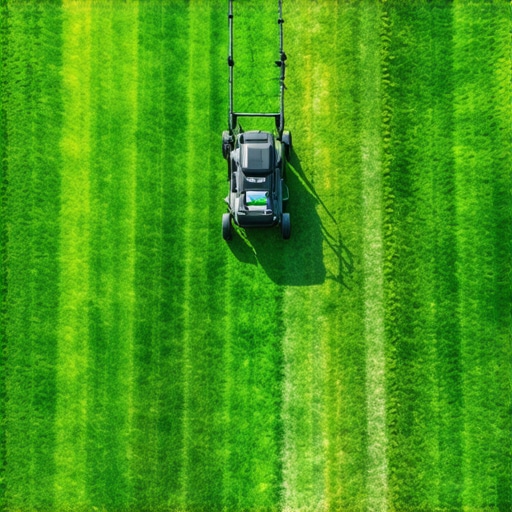
Stop 2026 Lawn Burn: Use These 3 Mowing Heights
The Anatomy of a Scorched Lawn: A Forensic Autopsy
I recently stood on a 5,000-square-foot patch of what used to be a high-end Kentucky Bluegrass blend. It was August, and the homeowner had managed to turn a $15,000 sod installation into a crisp, tan desert. They called me in a panic after they completely torched their front lawn by applying a high-nitrogen ‘turf builder’ during a 95-degree heatwave, followed by scalping the grass down to 1.5 inches to ‘make it look clean.’ The air smelled like sun-baked hay and desperation. The chemical burn was systemic, but the fatal blow was the mowing height. By stripping the leaf blade, they removed the plant’s only mechanism for self-shading and cooling. This is not just a cosmetic failure; it is a failure of biological engineering. When you cut grass too short in the summer, you aren’t just ‘mowing’; you are amputating the plant’s solar panels and its heat shield. Most homeowners treat their mowers like hair clippers, but they are actually surgical tools that dictate the metabolic rate of the entire ecosystem. To stop the 2026 lawn burn, we have to look at the yard through the lens of soil science and thermodynamics.
The Core Reason Summer Turf Fails
To prevent summer lawn burn, you must maintain mowing heights between 3.5 and 4.5 inches for cool-season grasses to provide shade for the soil surface and the plant crown. This increased height facilitates deeper root systems and reduces evapotranspiration rates during extreme heat cycles. It is a biological law.
“A lawn’s ability to withstand environmental stress is directly proportional to the depth of its root system, which is governed by the height of the canopy.” – Agronomy Extension Manual
How much modified gravel do I need for a patio base?
While we are discussing site prep, many homeowners ask about hardscaping margins. For a standard paver patio, you generally need a 4 to 6-inch base of compacted 2A modified gravel. This ensures the hydrostatic pressure doesn’t buckle your edges, which can lead to heat-retaining gaps that cook the adjacent turf grass. If your hardscape fails, your lawn drainage fails too. Don’t skip the compaction. It must be rock solid.
The 3 Critical Mowing Heights for 2026
The three mowing heights you must utilize include a 2.5-inch spring cut to remove dead tissue, a 4-inch summer canopy for thermal protection, and a 3-inch fall height to prevent snow mold. These adjustments align with the seasonal growth cycles of Fescue and Bluegrass to maximize photosynthetic efficiency. Stick to the schedule. No exceptions.
The Spring Reset: 2.5 Inches
In the early spring, your goal is to clear out the brown, dead blades from winter. This allows sunlight to hit the soil surface and wake up the microbiology. It also helps the soil warm up faster, triggering the release of nitrogen. Use a sharp blade. A dull blade tears the grass. Tearing creates wounds. Wounds invite fungus. Keep it clean.
The Summer Shield: 4.0 to 4.5 Inches
This is where most people fail. When the temperature hits 85 degrees, your grass enters semi-dormancy. By keeping the grass at 4 inches or higher, you are creating a micro-climate at the soil level. The soil stays 10 to 15 degrees cooler than the air temperature. This prevents the crown (the growing point of the grass) from literally cooking. If the crown dies, the plant dies. High grass also forces the roots to grow deeper to support the larger leaf. Deep roots find water that surface roots can’t. It is a survival mechanism.
The Fall Transition: 3.0 Inches
As the weather cools, you step the height back down. You want the grass short enough that it doesn’t flop over under the weight of winter snow, which creates a perfect environment for Gray Snow Mold. However, you don’t want it so short that you expose the soil to the first hard freeze. 3 inches is the sweet spot for nutrient storage before the winter nap.
| Grass Type | Early Spring (in) | Peak Summer (in) | Late Fall (in) |
|---|---|---|---|
| Tall Fescue | 2.5 | 4.0-4.5 | 3.0 |
| Kentucky Bluegrass | 2.0 | 3.5-4.0 | 2.5 |
| Perennial Ryegrass | 2.0 | 3.5 | 2.5 |
| Fine Fescue | 2.5 | 4.0 | 3.0 |
The Physics of the Cut: Why Sharpness Matters
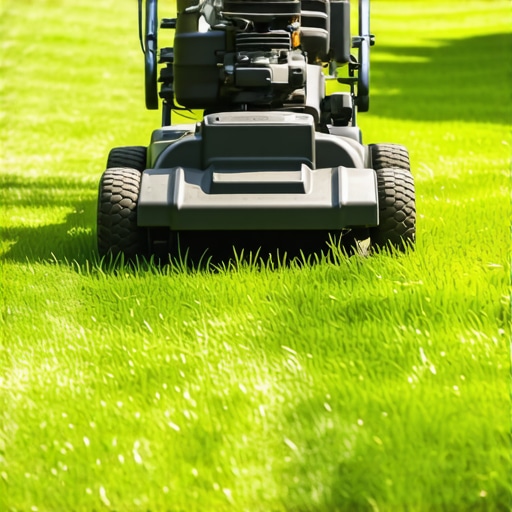
A dull mower blade is the enemy of a resilient lawn because it shreds the vascular tissue of the grass blade instead of providing a clean transverse cut. This leads to excessive moisture loss and creates an entry point for necrotic ring spot and other turf pathogens. Inspect your blades every 10 hours of use. If the edge feels like a butter knife, you are killing your lawn. You want it razor-sharp. A clean cut heals in hours. A shred takes days.
“Mechanical damage from dull equipment increases the water requirement of turfgrass by up to 30 percent due to uncontrolled transpiration from ragged leaf edges.” – Turfgrass Physiology Institute
How do I fix a sinking retaining wall?
If you see your lawn browning specifically near a retaining wall, the wall might be failing and pulling moisture away from the soil. You fix it by excavating behind the wall, installing a non-woven geotextile fabric, and ensuring you have at least 12 inches of clean 3/4-inch stone for drainage. Without hydrostatic relief, the wall will push, the soil will crack, and your grass roots will dry out. Engineering matters more than aesthetics.
The Summer Survival Checklist
- Never remove more than 1/3 of the blade: If you miss a week of mowing, don’t scalp it. Cut it twice, three days apart.
- Mow in the evening: Cutting in the heat of the midday sun causes immediate moisture stress.
- Deep, infrequent watering: Apply 1 inch of water once a week at 4:00 AM. Do not mist it every day. Daily light watering creates shallow roots that die in the heat.
- Check for soil compaction: If you can’t push a screwdriver 6 inches into the ground, your roots are suffocating. You need core aeration.
[image_placeholder]
Microbiology and the NPK Trap
Stop dumping high-nitrogen fertilizer on a lawn in July. Nitrogen forces top growth. In the summer, you don’t want top growth; you want root maintenance. High nitrogen during a drought is like giving a marathon runner a double espresso in the middle of a desert. They will sprint for a minute and then collapse. If you must fertilize, use a slow-release organic bridge or a high-potassium (K) formula to strengthen cell walls. Your soil is a living organism. Treat it like one. Feed the rhizosphere, not just the green parts. This is the difference between a landscaper and a lawn boy.
![Stop Raking Your 2026 Leaves [Nutrient Hack]](https://lawnmajesty.com/wp-content/uploads/2026/07/Stop-Raking-Your-2026-Leaves-Nutrient-Hack.jpeg)