Stop 2026 Lawn Weed Growth with Corn Gluten Soil Hacks
The Forensic Autopsy of a Failed Spring Turf Strategy
Corn gluten meal acts as a natural pre-emergent herbicide by inhibiting the root development of germinating seeds through specific dipeptides. To effectively stop 2026 lawn weed growth, homeowners must apply it before soil temperatures reach 55 degrees Fahrenheit to target crabgrass and dandelions. A homeowner called me in a panic after they completely torched their front lawn by applying three times the recommended rate of a high-nitrogen synthetic fertilizer on top of corn gluten, thinking more was better. The result was a concentrated soil burn that turned a thousand square feet of fescue into a brown, crispy mat. They didn’t understand the chemistry. Corn gluten is already 9 percent nitrogen by weight. By doubling up, they effectively salted their own earth. When we pulled the soil samples, the nitrogen levels were off the charts, and the pH had plummeted to 5.2, creating an acidic environment where only the toughest weeds could survive. It was a chemical nightmare that required six months of core aeration and heavy lime applications to correct. Most people treat their yards like a decoration, but it is a biological reactor. If you do not respect the chemical balance, the soil will fight back.
The Biochemistry of Corn Gluten as a Pre-Emergent
To use corn gluten meal for weed control, you must understand that it does not kill established plants; it prevents the radicle, or the first root of a seedling, from forming correctly. This organic byproduct of the corn wet-milling process contains five specific dipeptides: alanine-alanine, alanine-glutamine, glutamine-alanine, glutamine-glutamine, and glycyl-alanine. These proteins interfere with the water-to-root ratio at the exact moment of germination.
“Corn gluten meal is a patented natural pre-emergent herbicide that provides both weed control and nitrogen to the soil profile.” – Iowa State University Horticultural Research
This biological process is incredibly sensitive to moisture. If the soil remains saturated for three days after application, the weed seeds will simply outgrow the inhibition effect and establish themselves anyway. You need a precise 48-hour window of dry weather after the initial light watering to ensure the peptides can dehydrate the emerging root. This is not a ‘set it and forget it’ product. It requires a hardscape-level attention to detail regarding drainage and moisture retention.
[IMAGE_PLACEHOLDER]
The Micro-Climate Timing for 2026 Applications
Successful weed suppression in 2026 depends entirely on soil temperature rather than the calendar date. Most DIYers wait until they see the yellow flowers of dandelions to act, but by then, the war is already lost. You must monitor your 4-inch soil depth temperatures using a probe. Once that soil hits a steady 50 to 52 degrees for three consecutive days, that is your window. In most regions, this happens between late February and early April.
“A pre-emergent is only as good as its timing; if the seed has already cracked the hull, the herbicide is useless.” – Agronomy Field Manual 4th Edition
If you miss this window, the 9 percent nitrogen in the corn gluten will actually feed the weeds you were trying to kill, resulting in a thicker crop of crabgrass than you had the year before. I tell my crew: if you’re late, don’t even put it down. It’s just expensive fertilizer at that point. You are looking for a specific concentration of 20 pounds per 1,000 square feet. Anything less and the dipeptide concentration is too diluted to inhibit root growth; anything more and you risk nitrogen toxicity in cool-season grasses.
How much corn gluten do I need per square foot?
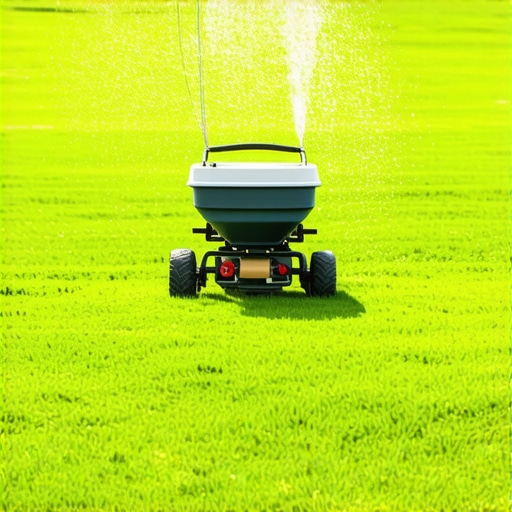
To achieve professional-grade weed suppression, you must apply 20 pounds of granulated corn gluten meal per 1,000 square feet of turf. This rate provides approximately 1.8 pounds of actual nitrogen per 1,000 square feet, which is a heavy dose for a single application. Ensure you use a calibrated broadcast spreader to maintain an even distribution, as uneven patches will leave ‘windows’ where weeds like chickweed and clover will immediately colonize. Do not use the powdered form unless you want a dusty mess that blows into your neighbor’s yard; stick to the granulated or pelletized versions for consistent soil contact.
When is the best time to apply corn gluten in 2026?
The optimal time for 2026 application is when soil temperatures reach 55 degrees Fahrenheit, which typically coincides with the blooming of Forsythia bushes in many regions. For the most accurate results, use a digital soil thermometer buried four inches deep. You must also ensure no heavy rain is forecasted for 48 hours following the application. If the corn gluten stays too wet, the microbial activity in the soil will break down the proteins before they can target the germinating weed seeds, rendering the application ineffective for anything other than fertilization.
The Soil Logic Checklist for Pre-Emergent Success
Before you spread a single bag of corn gluten, you must prepare the substrate to receive the treatment. Following this checklist ensures the biological barrier remains intact throughout the germination window:
- Core Aeration: Perform this at least two weeks before application. If you aerate after applying corn gluten, you break the chemical barrier, allowing weeds to sprout in the holes.
- Thatch Management: If your thatch layer is thicker than 0.5 inches, the corn gluten will never reach the soil surface. Use a power rake to thin the thatch.
- Soil pH Testing: Corn gluten works best in slightly acidic to neutral soil (pH 6.0 to 7.0). Extreme pH levels can accelerate microbial breakdown of the proteins.
- Mowing Height: Scalp the lawn slightly before application to ensure the granules reach the dirt, then return your mower to a 3.5-inch setting to shade out any surviving weed seeds.
- Irrigation Check: You need a light 1/4 inch of water to activate the meal, followed by absolute dryness. Check your sprinkler timers.
Corn Gluten Application Performance Matrix
| Application Rate (lbs/1,000 sq ft) | Expected Weed Suppression (%) | Nitrogen Load (lbs N) | Soil Persistence (Weeks) |
|---|---|---|---|
| 10 lbs | 30-40% | 0.9 lbs | 3-4 weeks |
| 20 lbs | 75-85% | 1.8 lbs | 5-6 weeks |
| 30 lbs | 90%+ | 2.7 lbs | 6-8 weeks (Risk of Burn) |
As the table indicates, the 20-pound rate is the sweet spot for most residential lawns. Going up to 30 pounds is technically more effective at stopping weeds, but the nitrogen load is so high it can cause fescue and bluegrass to grow so fast the cell walls become thin and susceptible to fungal pathogens like brown patch. It is about balance. You are not just killing weeds; you are managing an ecosystem. The 2026 season will be particularly challenging if we have a wet spring, so monitoring the drainage is vital. If your yard has standing water, the corn gluten will fail. Fix your grading first. A yard with poor drainage is a yard that will always have weeds, regardless of how much product you throw at it. I have spent decades fixing yards where contractors ignored the hydrostatic pressure and soil compaction, only to wonder why the grass never took. Soil is the foundation. If the foundation is rotten, the lawn will be too.