Stop 2026 Leaf Rust on Your Rose Garden [Fast Fix]
The Anatomy of the Orange Ruin: Diagnosing Phragmidium Mucronatum
To stop 2026 leaf rust on your rose garden, you must disrupt the Phragmidium mucronatum lifecycle by eliminating standing leaf moisture for periods longer than four hours. Effective remediation requires pruning for airflow, applying sulfur-based fungicides at first sign, and maintaining a three-inch mulch barrier to prevent spore splash-back from contaminated soil. It is a biological battle, not a cosmetic one.
I always drill into my new crew members: if you don’t fix the soil grading first, every plant you put in the ground is just expensive compost. I remember a job in late 2023 where a client had spent four figures on David Austin climbers. By July, they looked like they had been dusted with Cheeto powder. The apprentice wanted to just spray a standard copper fungicide and walk away. I stopped him. We looked at the base of the wall. The previous hardscaping crew had built a dry-stack wall with zero drainage tile, creating a micro-climate of 90 percent humidity right at the root flare. The roses weren’t just sick; they were drowning in stagnant air. We had to tear out a section of the wall to install a proper French drain before we even touched a pair of bypass pruners. Technical wisdom saves plants; chemicals just delay the funeral.
“A rose garden’s susceptibility to rust is directly proportional to the duration of leaf wetness and the lack of vertical air movement within the canopy.” – Horticultural Science Research Manual
Why is my rose garden turning orange in 2026?
The orange pustules you see are urediniospores, the repeating stage of the rust fungus that can germinate in as little as two hours if the temperature is between 65 and 75 degrees Fahrenheit. This isn’t a random occurrence. It is a systemic failure of your garden design. When you crowd roses too close to a solid fence or a retaining wall, you create a dead-air zone. In these zones, dew doesn’t evaporate; it sits. Rust spores are heavy and sticky. They catch on the undersides of the leaves, where the stomata are most vulnerable. If your lawn care routine involves overhead sprinklers at 6:00 PM, you are essentially feeding the fungus a midnight snack. Stop it. Irrigation belongs at the soil level, delivered via drip emitters at 0.5 to 1.0 gallons per hour.
How much modified gravel do I need for a patio base near roses?
Integrating hardscaping with rose beds requires precise calculation of 21A or 3/4-inch modified gravel to ensure the subgrade doesn’t hold moisture that evaporates upward into the foliage. You need a minimum of 4 to 6 inches of compacted base for any walkway near your garden to prevent shifting that could alter soil grading and cause water to pool toward your rose crowns. Poor drainage is the silent partner of leaf rust.
[image_placeholder_1]
The Remediation Protocol: A Forensic Fix
First, we perform a sanitary strip. Every infected leaf must be removed. Do not compost them. The spores can survive temperatures of 140 degrees Fahrenheit in a standard pile. They must go in the trash. Next, we address the 18-inch airflow zone. Any branch crossing the center of the bush is removed. We want the plant to look like a vase, not a thicket. This isn’t about aesthetics; it is about thermodynamics. Moving air lowers the surface temperature of the leaf and accelerates evaporation.
| Treatment Method | Application Frequency | Primary Mechanism | Efficacy Rate |
|---|---|---|---|
| Sulfur Dust | 7 to 10 days | Prevents spore germination | High (Preventative) |
| Neem Oil (70%) | 14 days | Disrupts fungal cell walls | Moderate |
| Potassium Bicarbonate | Weekly after rain | Alters surface pH (alkalinity) | Moderate |
| Myclobutanil (Systemic) | 21 to 28 days | Inhibits ergosterol biosynthesis | Very High |
The 2026 Rose Health Checklist
- Soil pH Check: Maintain a level between 6.0 and 6.5 to ensure nutrient uptake for immune defense.
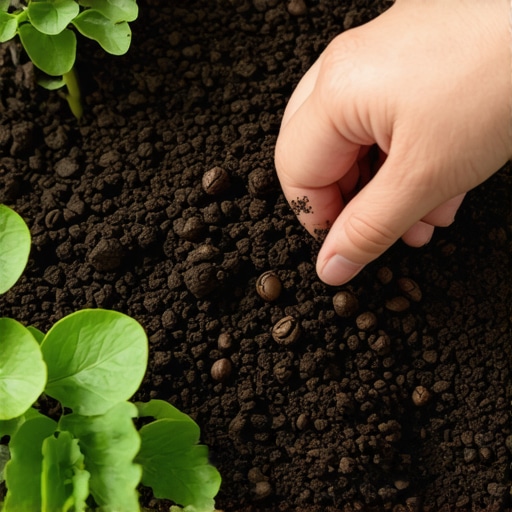
- Mulch Depth: Apply exactly 3 inches of cedar or hardwood mulch to prevent soil-to-leaf spore splashing.
- Irrigation Timing: Water only between 4:00 AM and 8:00 AM.
- Sanitation: Sterilize pruners with 70 percent isopropyl alcohol between every single bush.
- Drip Line: Ensure emitters are at least 6 inches away from the graft union.
“Soil compaction leads to anaerobic conditions that stress the vascular system of the Rosa genus, making them primary targets for opportunistic fungal pathogens.” – Texas A&M Agrilife Extension
Can rose rust spread to other plants?
Rose rust is host-specific to the genus Rosa. It will not jump to your lawn or your oak trees. However, it will jump between your hybrid teas, floribundas, and climbers with terrifying speed. If one plant is
![Why Your 2026 Cedar Fence is Turning Gray [Fix]](https://lawnmajesty.com/wp-content/uploads/2026/06/Why-Your-2026-Cedar-Fence-is-Turning-Gray-Fix.jpeg)