
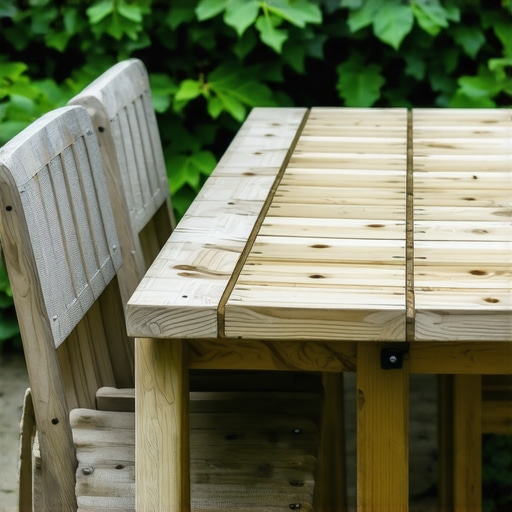
Stop 2026 Mold on Your Wood Garden Furniture
I recently got called out to tear up a $30,000 patio that was sinking because the previous contractor ignored simple hydrostatic pressure and drainage rules. While I was there, the homeowner pointed to their high-end teak dining set, which was barely three years old but looked like it had been pulled from a swamp. It was covered in black Aspergillus and green algae, literally rotting from the feet up because it sat on a poorly graded section of the pavers where water pooled every single time it rained. This is what happens when you treat your outdoor assets like indoor decorations. Wood is biological material. If you don’t manage the moisture levels and the site drainage, nature will reclaim it as compost.
Why Wood Garden Furniture Develops Mold
Mold develops on wood garden furniture when excessive moisture levels, restricted airflow, and organic debris create a hospitable environment for fungal spores to colonize the cellulose fibers. Preventing 2026 mold growth requires managing the wood’s moisture content to keep it below 19 percent, the threshold where rot fungi typically trigger. It is not just about the wood; it is about the microbiology of your backyard. When leaves sit on a cedar bench, they trap moisture and provide a nitrogen source for spores.
“Wood-decay fungi and mold require four essentials to survive: oxygen, favorable temperatures, a food source (cellulose), and moisture.” – USDA Forest Service Research Note
Understanding Lignin and Moisture Content
The structural integrity of your furniture depends on lignin. When moisture stays trapped against the grain, it induces swelling and microscopic checking. These tiny cracks are highways for spores. If you are using softwoods like pine or fir, the risk is exponential compared to high-density hardwoods. You must understand the hygroscopic nature of the material. Wood breathes. If it can’t dry out after a rain event, you’re growing a fungus farm. Stop it before it starts.
The Hardscape Connection: Site Grading and Drainage
Proper site placement for wood furniture involves ensuring the pieces sit on free-draining surfaces such as permeable pavers or a well-compacted modified gravel base to prevent capillary action from pulling moisture into the wood legs.
“A retaining wall doesn’t fail because of the stone; it fails because of the water trapped behind it.” – Hardscape Engineering Axiom
The same logic applies to your furniture. If your patio doesn’t have a 1-to-2 percent slope away from the house, water will pool under your chair legs. That is a death sentence for wood. I see homeowners spend thousands on furniture then put it on a low spot in the lawn. The soil stays damp, the grass stays wet, and the wood rots. It is basic engineering. Fix the grade or lose the furniture.
How much modified gravel do I need for a patio base?
For a standard residential patio designed to hold furniture and foot traffic, you need a minimum of 4 to 6 inches of compacted 2A modified gravel topped with 1 inch of bedding sand. This ensures that water moves vertically through the joints and into the subbase rather than sitting on the surface and saturating the base of your wood furniture. Don’t skimp on the tamper. If that base isn’t 95 percent Proctor density, it will settle, create a puddle, and rot your chairs.
Material Durability Comparison
Choosing the right species for your climate is the first step in mold prevention. High-density hardwoods contain natural oils and tannins that repel fungi, while softwoods require constant chemical intervention.
| Wood Type | Density (kg/m3) | Mold Resistance | Maintenance Level |
|---|---|---|---|
| Teak | 650-750 | Exceptional | Low (Oil every 2 years) |
| Ipe | 1000+ | Extreme | Very Low (UV protection) |
| Western Red Cedar | 350-400 | High | Moderate (Sealer required) |
| Pressure Treated Pine | 450-500 | Moderate | High (Annual cleaning) |
The Professional Maintenance Schedule
A professional maintenance routine focuses on removing biofilms and applying penetrating hydrophobic sealers rather than thick film-forming stains that trap moisture inside the grain. Don’t use standard household bleach; it breaks down the lignin. Use an oxygen-based wood cleaner (sodium percarbonate). It lifts the organic stains without destroying the wood’s structural fibers. It is about chemistry, not just scrubbing.
The 10-Point Mold Prevention Checklist
- Check for 1/8-inch gaps between slats to ensure vertical airflow.
- Ensure legs have plastic or stainless steel glides to break capillary contact with the ground.
- Clean off pollen and leaf debris every two weeks during spring.
- Apply a high-solids penetrating oil before the autumn rainy season.
- Avoid placing furniture directly on turf or mulch beds.
- Inspect the ‘end grain’ of the wood; this is where 80% of water absorption occurs.
- Ensure the patio has a minimum 1% pitch for drainage.
- Trim back overhanging shrubs to allow UV light to reach the wood.
- Use breathable covers that don’t trap condensation.
- Test moisture levels with a pin-meter if the wood feels heavy or ‘cool.’
What is the best way to clean mold off wood?
To safely remove mold, mix one cup of sodium percarbonate into a gallon of warm water and apply it with a stiff-bristled brush. Let it dwell for 15 minutes to oxidize the spores, then rinse thoroughly. This process opens the pores of the wood, allowing it to accept a fresh coat of protective oil once it has dried for 48 hours. Never use a pressure washer at high PSI on wood; you will raise the grain and create more surface area for mold to grow.
![Fixing 2026 Yellowing Leaves on Gardenia [Soil Fix]](https://lawnmajesty.com/wp-content/uploads/2026/06/Fixing-2026-Yellowing-Leaves-on-Gardenia-Soil-Fix.jpeg)
![How to Test Your 2026 Soil pH for $15 [Home Kit Test]](https://lawnmajesty.com/wp-content/uploads/2026/05/How-to-Test-Your-2026-Soil-pH-for-15-Home-Kit-Test.jpeg)