Stop 2026 Rose Pests with Proper Care Methods
The Forensic Autopsy: Why Your Roses Are Dying Despite Your Efforts
I recently stood in a yard where the homeowner had spent $4,000 on high-end David Austin roses, only to watch them turn into skeletal sticks within three weeks. They called me in a panic because they had essentially torched the entire bed by applying a triple-dose of a concentrated insecticide during a 95-degree heatwave. The leaves weren’t just eaten; they were chemically cauterized. This is the reality of rose care: it is a high-stakes game of biology and chemistry. If you don’t understand the physiological stress points of the Genus Rosa, you are just throwing money into a chipper. In my twenty years of managing high-end estates, I have seen more roses killed by well-intentioned owners than by the pests themselves. We are going to break down the 2026 pest prevention protocol with clinical precision.
The Answer Capsule: How to Prevent Rose Pests
To stop 2026 rose pests, you must implement integrated pest management (IPM) focusing on cultural controls like proper soil pH (6.0-6.5), morning irrigation to minimize foliage dampness, and targeted biological interventions. Preventative dormant oil sprays in late winter eliminate overwintering eggs before they hatch in spring.
The Diagnostic Breakdown: Identifying the 2026 Threat Matrix
Before you reach for a sprayer, you have to know what you are fighting. Most people see a hole in a leaf and think ‘bug.’ I see a failure in the plant’s immune system. Roses that are stressed by poor soil drainage or improper nutrient ratios emit stress signals—volatile organic compounds—that literally call out to pests like a dinner bell. We are looking at three primary categories of invaders for the 2026 season: chewers, suckers, and the fungal pathogens that follow them.
“A rose’s primary defense against herbivory is not its thorns, but its secondary metabolites. When soil chemistry is skewed, the plant cannot synthesize the phenolic compounds necessary to deter insects.” – Agronomy Manual for Woody Ornamentals
Take the Japanese Beetle (Popillia japonica). These aren’t just annoying; they are a structural threat to the plant’s ability to photosynthesize. They skeletonize the foliage, leaving nothing but the veins. Then you have the Rose Sawfly, or ‘Rose Slugs.’ These are the larvae of a wasp, and they hide on the undersides of leaves, rasping away the green tissue until the leaf turns into a translucent window. If you don’t catch them by early May, the damage is done. Your garden design must account for these lifecycles. For instance, did you know that the Japanese Beetle spend their larval stage as grubs in your turf grass? If you aren’t managing your lawn care, you are breeding your own rose pests.
How do you identify rose pests early?
Early identification requires a weekly 360-degree inspection of the plant, specifically checking the underside of leaves for aphid clusters and the terminal buds for thrip scarring. Look for frass (insect waste) or ‘stippling’—tiny white dots that indicate spider mite activity. If the leaf looks bronze or dusty, mites are likely sucking the chlorophyll out of the cells at a rate of thousands of punctures per day. They thrive in the radiant heat reflecting off stone hardscaping, so if your roses are tucked against a South-facing paver wall, you’ve created a mite incubator.
The Engineering of Soil: The First Line of Defense
Most ‘landscaping’ companies just dig a hole and drop the plant in. That is professional malpractice. Roses require a specific soil structure to maintain the systemic health needed to fight off pests. We are looking for a modified loam with a high cation exchange capacity (CEC). This allows the soil to hold onto nutrients like Potassium, which strengthens the cell walls of the leaves, making them harder for pests to penetrate. If your soil is compacted, the roots cannot breathe. This leads to anaerobic conditions, root rot, and a weakened plant that can’t defend itself.
| Pest Type | Primary Symptom | Biological Trigger | Non-Toxic Remediation |
|---|---|---|---|
| Aphids | Curled leaves, sticky residue | Excess Nitrogen (Soft Growth) | High-pressure water blast |
| Japanese Beetles | Skeletonized leaves | Turf grubs nearby | Hand-picking or Milky Spore |
| Rose Slugs | Window-pane leaf damage | Moist soil, over-mulching | Spinosad (Targeted spray) |
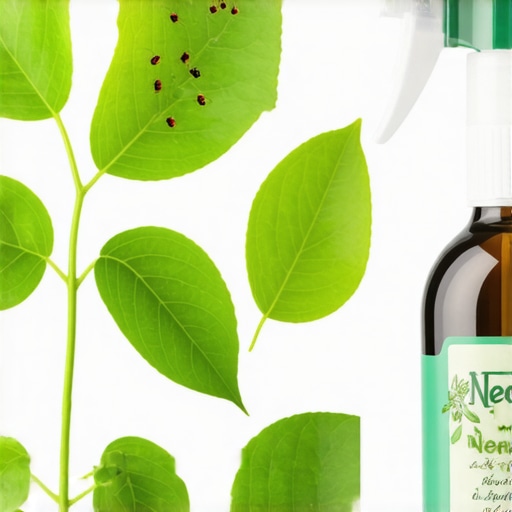
| Spider Mites | Bronzing, webbing | High heat, low humidity | Increase airflow, Neem oil |
It will rot. If you bury the graft union of a rose, you are inviting crown rot and borers. I see this constantly. Homeowners pile ‘mulch volcanoes’ around the base of the plant. This traps moisture against the bark, softening it and allowing pests an easy entry point. Stop doing it. You need a 2-inch layer of triple-shredded hardwood mulch, kept 3 inches away from the main canes. This maintains soil moisture without suffocating the plant.
What is the best way to get rid of rose sawflies?
The most effective way to eliminate rose sawflies is the application of Spinosad, a natural soil bacterium that acts as a neurotoxin to the larvae. Apply it late in the evening to avoid harming honeybees. For minor infestations, a strong stream of water can knock them off the foliage, and since they are slow-moving, they rarely find their way back up to the leaves before starving.
Hydraulic Logic: Irrigation and Fungal Interconnectivity
Pest management and disease management are two sides of the same coin. When a rose is weakened by Black Spot (Diplocarpon rosae), it becomes a target for opportunistic insects. This is where your garden design meets civil engineering. You must account for airflow. If you crowd roses together, you create a microclimate of stagnant, humid air. This is a playground for fungal spores.
“Pathogen pressure is directly proportional to leaf wetness duration. Irrigation should be delivered via drip emitters to keep the canopy dry.” – Texas A&M AgriLife Extension
Avoid overhead watering at all costs. If you must use a sprinkler, it has to run at 4:00 AM so the rising sun dries the leaves quickly. Watering at night is a death sentence for roses in 2026. The water sits on the leaf for 8 to 10 hours, allowing fungal hyphae to penetrate the leaf cuticle. Once the fungus takes hold, the plant’s energy is diverted to fighting the infection, leaving it defenseless against the next wave of aphids.
The Remediation Process: A Step-by-Step Recovery
If you’ve inherited a pest-ridden mess, follow this protocol. First, prune out the most heavily infested material. Don’t compost it; bag it and trash it. You need to remove the eggs and spores from the property. Second, do a soil test. If your pH is above 7.0, your rose is suffering from iron chlorosis, which makes it look yellow and sickly—a beacon for pests. Use elemental sulfur to drop the pH into the 6.0-6.5 range. This is not a fast process; it takes months for the soil chemistry to shift.
- Step 1: Sanitation. Clean up every fallen leaf. Fungal spores overwinter in the debris.
- Step 2: Soil Modification. Incorporate 3 inches of high-quality compost to improve soil biology.
- Step 3: Dormant Spraying. In late February, spray the canes with lime-sulfur or dormant oil to kill overwintering scale and mite eggs.
- Step 4: Monitoring. Use yellow sticky traps to detect the first arrival of thrips and aphids in the spring.
Don’t skip the dormant oil. It is the single most important tool in my arsenal. It works by smothering the insects rather than poisoning them. This means they can’t develop resistance. It’s clean, it’s effective, and it saves you hundreds of dollars in chemical sprays later in the season. Also, remember to call 811 before you do any major bed excavation. You don’t want to find a gas line while you’re trying to fix your drainage.
The Bottom Line: Professional Maintenance for 2026
Rose care is about consistency, not miracles. You cannot ignore your plants for three months and then expect a ‘magic spray’ to fix the damage. It requires a pragmatic approach to soil health and an understanding of the local biome. In my firm, we don’t just look at the plant; we look at the entire ecosystem. If your roses are failing, look at the lawn, look at the drainage, and look at your watering schedule. Usually, the ‘pest’ is just the final symptom of a much deeper engineering failure. Master the soil, and the roses will take care of themselves.