Stop Over-Pruning Your 2026 Hydrangeas [Bloom Hack]
You stand in your garden looking at a stick. It is a brown, brittle-looking stalk that was supposed to be a centerpiece of your garden design. Last year, you followed the advice of some glossy magazine and hacked it back to the ground. Now, you have plenty of green leaves but zero flowers. This is the hallmark of the ‘mow-and-blow’ mentality that ruins high-end landscaping. You are not just growing a plant; you are managing a biological energy budget that spans multiple years. If you want a massive show in 2026, you have to stop thinking about what the plant looks like today and start understanding the embryonic development occurring inside the nodes right now. Hardscaping and lawn care often get the glory, but arboriculture and shrub management require a level of foresight that most contractors simply do not possess.
Why Your Hydrangeas Refuse to Bloom
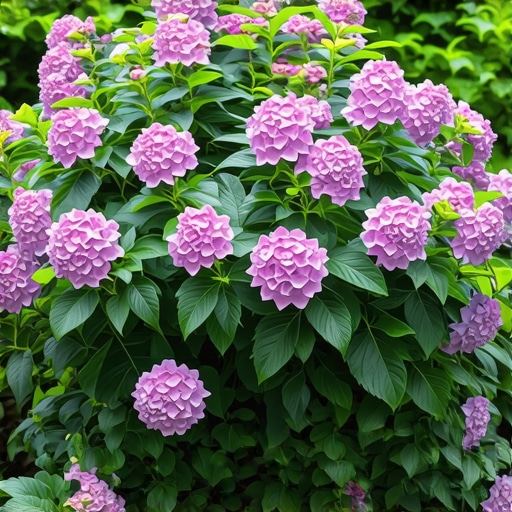
To stop over-pruning hydrangeas, you must identify if your variety sets buds on old wood or new wood before touching shears. Most bloom failures occur because homeowners prune in late fall or early spring, inadvertently removing the embryonic flower tissue developed during the previous summer. I always drill into my new crew members: if you don’t fix the soil grading first, every plant you put in the ground is just expensive compost. The same logic applies to pruning. If you do not understand the species, your shears are just weapons of mass destruction for your 2026 bloom cycle. I once walked onto a job site where a junior tech had ‘cleaned up’ a row of twenty-year-old Oakleaf Hydrangeas in November. He thought he was being efficient. In reality, he had just deleted five thousand dollars worth of curb appeal for the upcoming spring. He didn’t see the buds because they were tucked away in the terminal scales, waiting for the hormonal trigger of the spring thaw.
“Pruning at the wrong time of year is the primary reason for the loss of flower buds in Macrophylla species.” – Horticultural Extension Service
How do I know if my hydrangea blooms on old wood?
You can determine if your hydrangea blooms on old wood by observing when the flower buds appear; if they emerge from stems that survived the winter, it is an old wood bloomer. These varieties, like the classic Hydrangea macrophylla, start forming their 2026 flowers in August of 2025. If you prune them in the winter, you are cutting off next year’s show. You need to look for the ‘fat’ buds at the tips of the stems. These are the terminal buds. They are the most precious cargo on the plant. If they are firm and green under the brown outer scales, they are alive. If they are mushy, they are victims of poor drainage or frost. [image_placeholder_1]
When is the best time to prune hydrangeas for 2026?
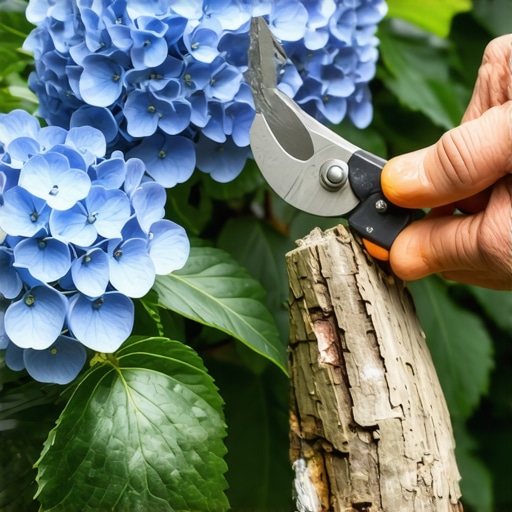
The best time to prune old wood hydrangeas is immediately after the current flowers fade in mid-summer, while new wood varieties should be pruned in late winter. This ensures the plant has enough time to set vascular tissue and store carbohydrates in the root system before dormancy. If you wait until September to prune a Bigleaf variety, you have already missed the window. The plant has already begun shifting its energy from leaf production to bud differentiation. Cutting it then forces the plant to try and regrow foliage when it should be hardening off for the frost. This leads to weak cell walls and inevitable die-back when the first hard freeze hits your local USDA zone.
The Forensic Autopsy of a Failed Bloom Cycle
A failed bloom cycle is usually a result of nitrogen toxicity, improper pruning timing, or hydrostatic stress in the root zone. When I see a hydrangea with massive, dark green leaves but no flowers, I immediately test the soil for 10-10-10 fertilizer abuse. High nitrogen levels tell the plant to stay in a vegetative state, ignoring the reproductive signals needed for flowering. You are effectively keeping the plant in a state of permanent adolescence. To fix this, you must pivot to a high-potassium supplement in late summer. Potassium strengthens the cell walls, making the buds more resistant to the freeze-thaw cycles that can kill the embryonic flower heads before they ever emerge.
| Hydrangea Type | Wood Growth | Pruning Window | 2026 Strategy |
|---|---|---|---|
| Bigleaf (Macrophylla) | Old Wood | July / After Bloom | Do not touch after August |
| Oakleaf (Quercifolia) | Old Wood | Mid-Summer | Thin out 1/3 of old canes |
| Panicle (Paniculata) | New Wood | Late Winter | Prune for structural shape |
| Smooth (Arborescens) | New Wood | Early Spring | Cut to 12 inches for vigor |
It will rot. If your soil doesn’t drain, the roots sit in a hypoxic environment. This causes the plant to drop its buds as a survival mechanism. Landscaping is not just about the aesthetic; it is about engineering the soil to handle water. In areas with heavy clay, you must use a modified gravel base or French drains to move water away from the root flare. Never bury the root flare. This is a common mistake made by ‘mow-and-blow’ crews who pile mulch up against the trunk like a volcano. This mulch volcano holds moisture against the bark, inviting fungal pathogens and girdling roots that will eventually choke the plant to death.
“A plant’s energy reserves are stored in the root system; aggressive pruning forces a stress response that prioritizes leaf canopy over reproductive cycles.” – International Society of Arboriculture (ISA)
The 5-Step Bud Health Audit
- Locate the terminal buds at the very tip of the longest stalks.
- Gently squeeze the bud; it should feel firm, not hollow.
- Scratch a tiny silver of bark away; if it is green underneath, the wood is alive.
- Check for ‘blind wood’ which has no buds; this should be your primary target for removal.
- Verify the soil pH; Blue hydrangeas need acidic soil (pH 5.2-5.5) to bloom effectively.
Don’t skip this. If you are in a region with late spring frosts, you need to protect those 2026 buds with burlap. A single night of 28-degree weather in April can wipe out a year of preparation. The buds are most vulnerable when they start to swell and show a hint of green. This is when the water content in the cells is highest, making them susceptible to ice crystal formation which ruptures the cell membranes. This isn’t just gardening; it’s physics. You are managing the phase change of water within biological structures. It is a high-stakes game where the reward is a garden that looks like it belongs in a botanical manual rather than a clearance rack at a big-box store.