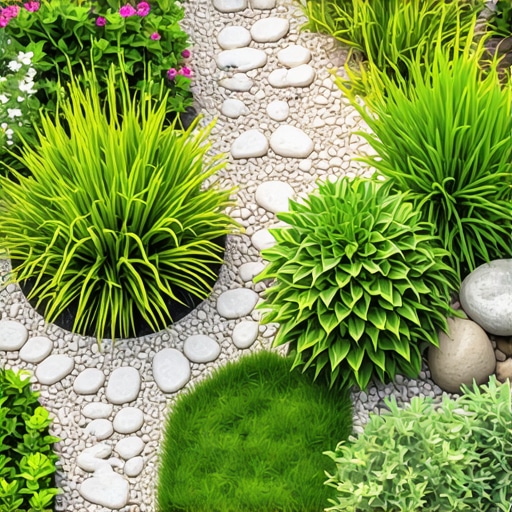
Last summer, my lawn transformation became a personal revelation. I remember staring out the window, frustration bubbling up as I watched my current yard struggle through a drought without enough rain. The grass was patchy, brown, and more effort than it was worth. It hit me—why am I wasting precious water on a traditional lawn that demands so much attention and resources? That was my lightbulb moment. And trust me, I’m not alone in feeling overwhelmed by the evolving demands of maintaining a lush, green yard in an era where water scarcity is becoming a serious concern.
Why Water-Wasting Lawns Are No Longer Just a Problem
The truth is, traditional turfgrass lawns are becoming an expensive luxury. They gobble up gallons of water—sometimes up to 55 gallons per square foot annually—and require constant mowing, fertilizing, and maintenance. With climate patterns shifting, many regions face stricter water restrictions, making it unwise and unsustainable to keep up with conventional lawn care. Experts warn that our water tables are receding, with some areas experiencing shortages that threaten both ecological health and our wallets (source: Lawn Majesty).
In my own experience, early on I made the mistake of ignoring alternative options, sticking with my traditional grass, only to find my water bills skyrocketing and my yard’s health declining. That introduced me to the importance of exploring innovative, low-maintenance solutions, leading me down a rewarding path of outdoor transformation. I’ll be sharing some of those zero-mow, water-saving alternatives in upcoming sections, designed to help you cut costs, conserve water, and create a stunning outdoor space that adapts to our changing climate.
Thinking Zero-Mow Lawn Alternatives Are Just Hype? Think Again
Don’t let skepticism hold you back. When I first heard about replacing my lawn with native plants or low-maintenance groundcovers, I thought it was just a trendy idea. But after a bit of research and experimentation, I realized it’s a practical solution rooted in ecological benefits. One mistake I made early on was underestimating how much effort it would take to maintain a traditional lawn and how quickly water restrictions could force my hand. Now, I wish I had started sooner, embracing nature-friendly alternatives that require far less water and effort.
If you’re tired of battling lawns that demand too much of your time and resources, stay tuned. The upcoming sections will introduce you to six standout options for 2026 that can radically change your outdoor experience. Ready to ditch the old-fashioned grass and make water conservation a priority? Let’s dive into these game-changers and transform your yard into a sustainable haven.
Lay the Foundation with Smart Hardscaping
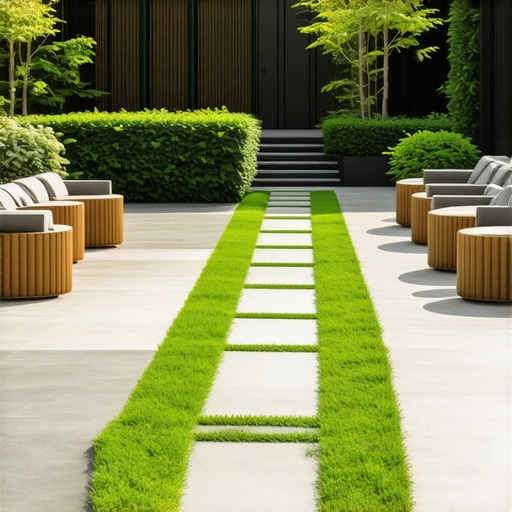
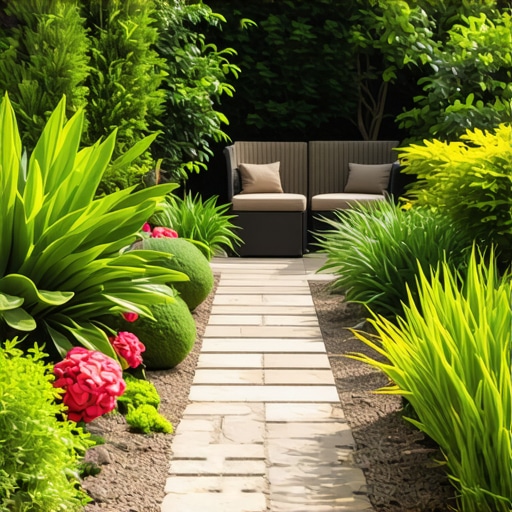
Begin by clearing the area to remove traditional turf, preparing the ground for hardscaping elements. Think of your yard like a painter’s canvas; start with a clean, level surface. Next, decide on focal points such as pathways, patios, or seating areas. Use modern hardscaping techniques to create clean lines and durable surfaces. For example, I once laid a flagstone pathway through my garden, which not only reduced grass maintenance but also added visual interest.
Design Your Garden for Low Water Use
Choose native and drought-resistant plants that thrive with minimal watering. Replace high-maintenance grass with groundcovers like clover or creeping thyme, which can handle drought conditions and require less mowing. In my own project, I planted native perennials that bloomed without extra watering, transforming my yard into a vibrant garden that needed far less care. Group plants with similar water needs together to optimize irrigation efforts and avoid wastage.
Add Efficient Irrigation Systems
Implement drip irrigation or soaker hoses to deliver water directly to plant roots. These systems significantly reduce water waste compared to traditional sprinklers. During my last project, I installed a drip system that automatically adjusted watering times, which cut my water bills by 30%. This not only conserves water but also ensures plants receive consistent moisture.
Incorporate Visual and Functional Elements with Hardscaping
Use contemporary hardscaping ideas to create zones for relaxation, entertainment, and gardening. Adding walls, raised beds, or water features defines spaces and enhances aesthetics. I once built a low retaining wall around my vegetable patch, which improved drainage and gave it a neat appearance—an approach that marries form with function efficiently.
Plan for Maintenance and Flexibility
Design your landscape to be low-maintenance, with mulched beds to suppress weeds and conserve moisture. Consider modular planting beds that can be easily expanded or modified. I kept my plantings in raised beds, making seasonal updates straightforward and reducing weed growth. Regularly assessing and adjusting your design help maintain water conservation and garden health long-term.
Consider Lighting and Outdoor Features
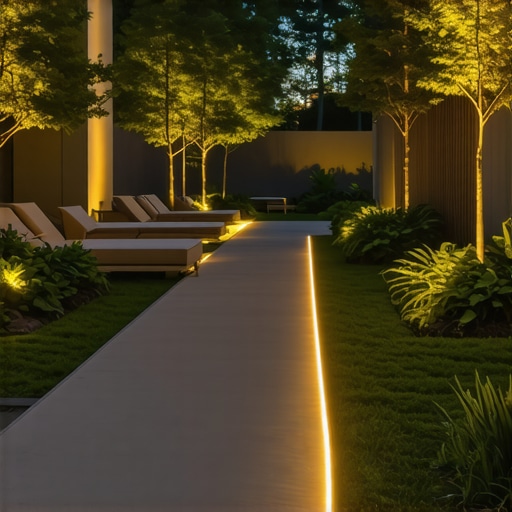
Incorporate solar-powered lights and durable fixtures to extend usability without increasing energy costs. Choose features that complement your layout, like pathway lights along your new hardscapes. I installed solar path lights that automatically charged during the day, illuminating my garden pathways after sunset—adding both safety and ambiance effortlessly.
Many enthusiasts believe that creating a stunning garden is primarily about choosing the right plants or hardscaping features. However, a crucial nuance often overlooked is how these elements interact with environmental factors and long-term sustainability. A prevalent myth is that more ornamentation always elevates a garden’s appeal, but in reality, overcomplicating landscapes can lead to increased maintenance, water waste, and even garden failure.
One common mistake is emphasizing aesthetics over ecological harmony. For example, installing elaborate water features without considering local water conservation can backfire, especially during droughts. Instead, integrating native plants with efficient hardscaping enhances resilience. For further insights, check out modern hardscaping techniques that marry form with function, ensuring your garden remains beautiful and sustainable over time.
Another trap many fall into is underestimating the importance of soil health. Fertilizers and soil amendments are often viewed as quick fixes, but neglecting soil quality can compromise plant vitality and water efficiency. Building organic matter and encouraging beneficial microbes create a thriving underground ecosystem that supports drought-resistant plants. This nuanced approach is detailed in resources like landscape design tips for 2025.
Why Do Some Gardens Fail Despite Good Design? An Expert’s Take
Even with excellent planning, many gardens struggle due to overlooked nuances such as microclimates and soil drainage issues. A garden must be tailored to its specific site conditions; otherwise, plants may suffer from excess moisture or drought stress. Using simple tools like soil testing kits before planting can prevent costly mistakes. Professional landscapers advise that understanding these hidden variables fosters better plant selection and placement, leading to more resilient gardens.
In fact, studies have shown that gardens designed with site-specific data have higher survival rates and require less water and maintenance. Recognize that successful garden design is an ongoing process, not a one-time setup. For cutting-edge ideas on integrating your landscape seamlessly, explore modern garden design and landscaping ideas.
Have you ever fallen into this trap? Let me know in the comments. Diving into these nuances can transform your outdoor space from merely beautiful to truly sustainable and resilient, ensuring your investment pays off for years to come.
Maintaining a beautiful, sustainable garden requires more than just initial planning; it demands a set of reliable tools and proven methods. I personally rely on a combination of high-quality equipment and smart techniques to keep my landscape healthy and flourishing over time. One essential tool I swear by is a cordless electric cultivator. Its lightweight design and powerful battery allow me to aerate and disturb soil without the mess of gas-powered models, making regular maintenance less tiresome. Additionally, I use a digital soil moisture meter to fine-tune my watering schedule; this device ensures I avoid overwatering or drought stress, extending the lifespan of native and drought-resistant plants I recommend for long-term sustainability.
My journey into water-efficient garden design and smart hardscaping revealed secrets that go beyond typical advice. One lesson that profoundly changed my approach was realizing how critical microclimate awareness is. I once planted native shrubs without considering the sun exposure or wind patterns, only to discover they struggled more than anticipated. Now, I thoroughly observe and adapt to microclimatic factors, guaranteeing my plants thrive with minimal water and intervention. This insight underscores that successful landscaping isn’t just about choosing plants but understanding and working with the unique environment of your yard.
Another revelation came from experimenting with multifunctional hardscaping elements. Incorporating seating areas near drought-tolerant plants or installing shaded pathways has simultaneously enhanced aesthetics and reduced water evaporation. These small yet impactful modifications taught me that intentionally designing for solar gain and shade can drastically diminish watering needs while creating inviting outdoor spaces.
Lastly, I learned that ongoing education impacts real results. Following leading landscape designers on platforms like modern hardscaping innovations allows me to stay ahead of trends and adapt my projects accordingly. This continuous learning ensures my garden remains resilient against climate shifts and looks stunning year-round.
Master Your Landscape with Tools That Make a Difference
Implementing practical, reliable tools has been pivotal. A quality digital soil moisture meter, like I rely on, prevents guesswork in watering and conserves water effectively. When I upgraded to a cordless electric cultivator for aeration, my soil health improved, and maintenance became less of a chore. For those serious about sustainable garden care, investing in such equipment makes a tangible difference, turning guesswork into precision and saving resources over time. To explore these tools further, check out trusted resources like modern hardscaping ideas for inspiring updates.
Your Next Step Towards a Resilient Garden
Embrace the challenge of redesigning your outdoor space into a sustainable retreat that conserves water and reduces upkeep. The future of garden design isn’t just about aesthetics; it’s about creating resilient landscapes that adapt seamlessly to our changing climate. This journey isn’t about perfection but progress. Every small innovation, from selecting native plants to hardscaping thoughtfully, propels you toward a more beautiful, sustainable yard. Remember, your outdoor transformation begins with a single step—are you ready to start?
What’s one change you’re considering to make your garden more water-wise and sustainable? Share your plans below—I’d love to hear your ideas!
,
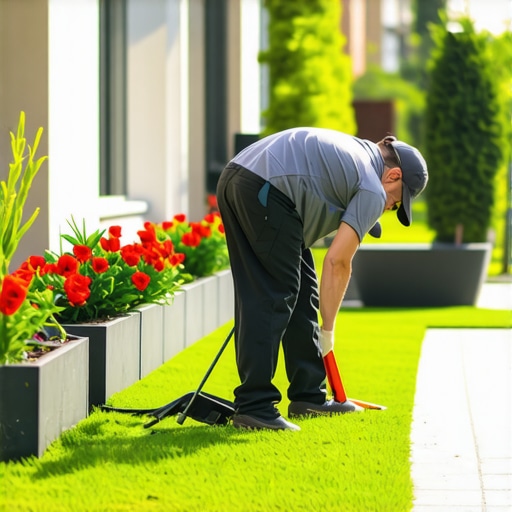
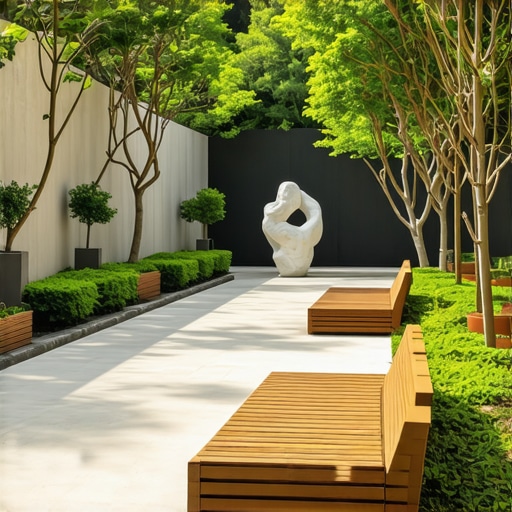
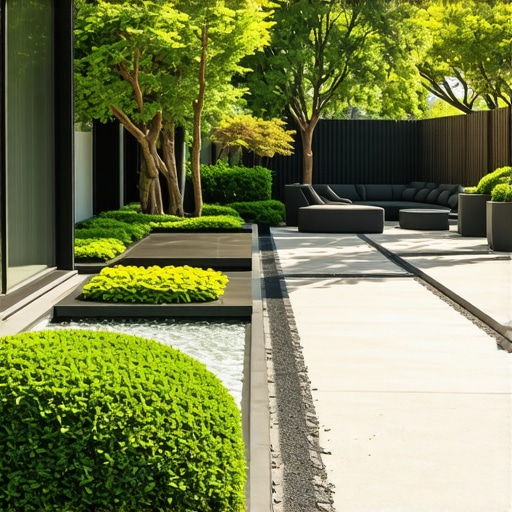
This article really resonates with my own experience of switching to drought-tolerant plants and hardscaping after realizing the high water demands of my traditional lawn. I particularly appreciated the emphasis on soil health and microclimate considerations, as I found those factors crucial in ensuring my new landscape thrived with less water. The idea of integrating multifunctional hardscaping, like shaded pathways and seating areas, is a clever approach that I plan to implement to reduce evaporation and add usability. I wonder, how do others find balancing aesthetic appeal with environmental sustainability when designing their gardens? Are there any tried-and-true native plant combinations that work well in areas with hot, dry summers? Would love to hear some personal tips and experiences from fellow readers, especially on maintaining beauty without compromising water conservation.