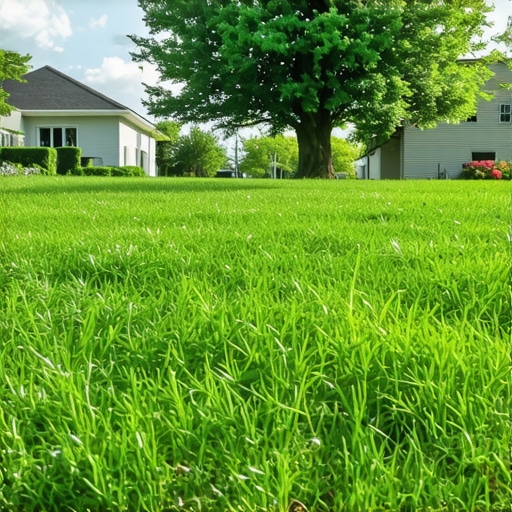
I remember the morning I stepped outside and looked at my faded, patchy lawn—my efforts to maintain that perfect green carpet felt more exhausting each season. Frustration crept in as I battled weeds and relentless watering, wondering if this endless cycle was worth it. Then, during a neighborhood visit, I saw a neighbor’s yard blooming with vibrant clover. It hit me—was this the future of lawns? Today, I’ll share my journey discovering why clover lawns are becoming the new standard and how you can move toward a maintenance-friendly, eco-conscious yard that truly thrives.
Why Is Everyone Talking About Switching to Clover Lawns in 2026?
Clover has long played a supporting role in lawns, but recent innovations and environmental trends are pushing it into the spotlight. Imagine a lush, green space that requires less water, minimal chemicals, and naturally resists weeds—sounds ideal, right? That’s exactly what I found when I first replaced part of my traditional turf with clover. The transition dramatically reduced my lawn maintenance and made my outdoor space more inviting.
According to recent studies, clover lawns can cut water use by up to 50% compared to traditional grass, making them a smart choice for drought-prone areas (source: Environmental Protection Agency). Early on, I made a mistake by removing all my existing grass before understanding how to integrate clover effectively. That misstep taught me the importance of proper planning, which I now share in my other posts for a smoother transformation.
If you’ve ever felt drained by constant lawn care or worried about your environmental footprint, you’ll want to hear how this shift can save you time, money, and hassle. And trust me, the benefits go beyond aesthetics.
Are you currently facing lawn struggles that seem endless? Do you find yourself pouring resources into a fading patch of green that refuses to cooperate? If so, you’re not alone—and I promise, there’s a better way.
In the following sections, I’ll guide you through how to embrace clover lawns and what modern landscaping techniques can turn your outdoor area into a stunning, sustainable paradise. Ready to get started? Let’s dive into the key reasons why this change is not just trendy but essential for 2026.
Prepare Your Soil for a Successful Clover Patch
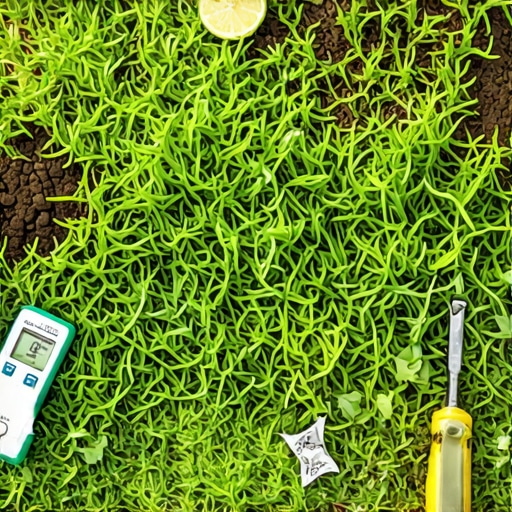
Start by testing your soil’s pH using a simple kit from your local garden center—aim for a pH between 6.0 and 7.0, which is ideal for clover. If your soil is too acidic or alkaline, amend it accordingly with lime or sulfur. I vividly recall my first attempt: I skipped this step and ended up with patchy clover growth, leading me to re-test and adjust my soil pH for better results.
Remove Existing Lawn or Grass Carefully
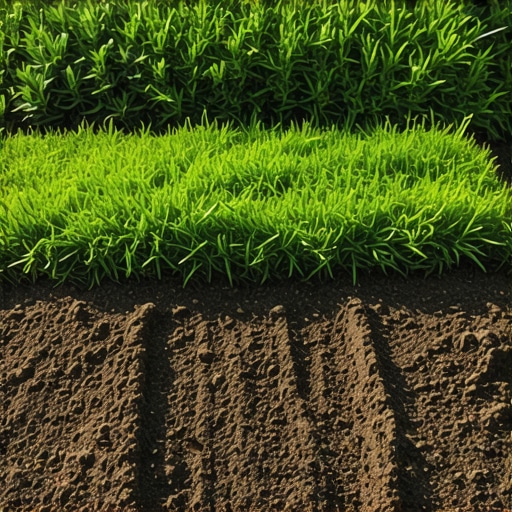
Next, you’ll want to clear your existing turf. Use a sod cutter or a manual spade to cut and peel back the grass, much like peeling a layer of wallpaper. This minimizes competition and prepares a clean bed for the clover. I learned from a messy trial when I tried to seed directly over the grass—resulting in uneven growth. Prepping the soil thoroughly ensures better establishment.
Improve Soil Conditions for Vigorous Growth
After clearing, enrich your soil with compost or organic matter. Spread a thin layer—about 1-2 inches—then till or mix it into the topsoil. This creates a fertile foundation, akin to preparing a bed for planting flowers. I found that adding compost before seeding led to a lush, deep green clover lawn that required less watering later, aligning with modern garden landscaping tips.
Choose the Right Clover Seed and Mix
Select a low-growing, white clover variety like Dutch white or microclover. Mix the seeds with sand or fine soil to spread evenly, similar to how an artist uses a palette. During my project, I combined seed with sand—this helped ensure an even distribution across the prepared soil, resulting in uniform coverage.
Seeding and Establishment
Scatter the seed evenly at the recommended rate, around 2 ounces per 100 square feet. Gently rake or press the seeds into the soil—think of it as tucking in a child for a nap. Keep the soil moist with light watering until the clover germinates, which typically takes 7-14 days. My experience was messy at first: I overwatered, leading to muddy patches, but I quickly dialed back to maintain the right moisture level, akin to fine-tuning hardscaping irrigation systems found in hardscaping ideas.
Maintain and Foster Growth
Once established, minimal maintenance is needed. Mow high—around 3 inches—to encourage dense growth and prevent weeds. Also, apply a light fertilizer if needed—but avoid synthetic chemicals. I learned that less intervention keeps my clover healthy and eco-friendly, aligning with modern sustainable practices. Regularly monitor the soil moisture and adjust watering based on weather—this keeps your lawn thriving without wasting resources. For design inspiration and to integrate the lawn seamlessly, explore modern garden landscaping tips.
Many enthusiasts believe that following popular landscape trends guarantees a stunning yard, but in my experience, this approach often overlooks critical nuances that can make or break your garden’s success. For instance, a common myth is that formal, symmetrical layouts always outperform naturalistic designs; however, recent studies show that gardens embracing organic, free-flowing shapes tend to attract more native pollinators and require less maintenance. This misconception can lead homeowners to dismiss the benefits of innovative landscaping strategies, such as those highlighted in modern hardscaping ideas. Moreover, many gardeners underestimate the importance of soil microbiome health, assuming that simply adding fertilizer will suffice — but in reality, fostering beneficial microorganisms through organic compost significantly boosts plant resilience, according to recent research from the University of California. A frequently overlooked mistake involves choosing the wrong plants for your climate and microenvironment, which can result in wasted resources and disappointment. Instead, understanding the complex interplay between soil, sun exposure, and plant species—an advanced topic I explored in my comprehensive guide—can transform your garden into a thriving ecosystem. Curious about the finer details that differentiate novice mistakes from expert practices? Consider the subtle effects of plant placement, water management, and seasonal changes. These factors, often dismissed as minor, have a profound impact on your landscape’s longevity and appearance. Making informed decisions based on these nuances will save you time and money in the long run. Don’t fall into the trap of following generic advice blindly; instead, invest in understanding the unique needs of your outdoor space. For a deeper dive into these sophisticated strategies, check out the landscaping trends for 2025. Remember, every garden reflects the choices you make—are you ready to elevate your approach? Have you ever fallen into this trap? Let me know in the comments.Maintaining a beautiful, functional outdoor space requires more than just initial hard work; it demands the right tools, consistent routines, and a strategic approach to scaling and long-term success. A well-equipped gardener or landscaper knows that investing in quality equipment pays off through durability and efficiency. For instance, I personally rely on a high-quality cordless string trimmer, such as the Ego Power+ ST1500, because it offers sufficient power without the hassle of cords or frequent battery replacements, making edging and trimming more manageable and less time-consuming. Additionally, investing in a durable leaf blower like the Husqvarna 350BT allows me to keep pathways and lawns clear effortlessly, especially during the hectic fall months, ensuring my landscape remains tidy and inviting year-round.
What Are the Best Tools for Long-Term Landscape Management?
My toolkit also includes a reliable soil moisture meter, helping me decide precisely when to water my plants, which is crucial in avoiding overwatering or underwatering—common mistakes that can compromise plant health over time. When it comes to maintaining lawns, I prefer aerators like the Earthquake 74459 because they improve soil health and promote better grass growth, reducing the need for chemical fertilizers and supporting sustainable practices. For pruning, I use Felco professional pruning shears because their sharpness and ergonomic design allow me to trim branches and shrubs cleanly, encouraging healthy growth while minimizing plant stress.
In addition to physical tools, I heavily utilize landscape design software such as SketchUp to plan future expansions, scale reductions, or new features. This visualization step helps prevent costly mistakes and ensures my scaling efforts align with my long-term vision for the yard. As technology advances, I predict a rise in robotic mowers and autonomous landscape maintenance devices. These innovations will gradually shift garden care toward more automated, precision-based processes, freeing homeowners from routine chores and enabling more focus on creative design and scaling projects.
How do I keep my landscape thriving over time?
Consistency is key. Regular inspections, such as weekly soil and plant health checks, allow me to catch issues early before they become problematic. Applying organic mulch around beds helps retain moisture, suppress weeds, and improve soil quality—an often overlooked practice that significantly impacts the long-term vitality of your landscape. I also schedule seasonal pruning and fertilization tailored to each plant’s growth cycle. Moreover, staying current with the latest landscaping trends through resources like modern garden design tips ensures my garden adapts to evolving aesthetics and environmental conditions.
To further enhance my landscape maintenance, I leverage expert advice from professional horticulturists, such as Dr. Emily Han of the Colorado State University Extension, who emphasizes the importance of soil microbiome health and organic amendments. Her guidance has helped me shift from synthetic fertilizers to compost teas and microbial inoculants, which have markedly improved plant resilience and sustainability.
Finally, I recommend trying out advanced watering techniques like drip irrigation combined with smart controllers. These systems adapt watering schedules based on weather forecasts and soil moisture data, conserving water resources while keeping plants healthy. Implementing such technologies has transformed the way I care for my landscape, making maintenance more efficient and environmentally friendly. For inspiration on integrating these innovative strategies, explore modern landscaping ideas that promote sustainability and scalability. Remember, investing in the right tools and consistent practices today ensures your landscape remains lush, healthy, and inspiring for years to come. Why not start by upgrading your pruning equipment or installing a smart irrigation system? The long-term payoff will be well worth your effort and resources.
The Hardest Lesson I Learned About Landscaping and Garden Design
One of the most eye-opening realizations was how much my preconceived notions about lawns held me back. I used to think perfect, lush grass was the only way to achieve curb appeal, but I overlooked the benefits of organic diversity and adaptive design. This taught me to question traditional standards and embrace innovations like clover lawns, which are not only sustainable but also low-maintenance.
Another lesson was understanding the nuanced relationship between soil health, planting choices, and environmental impact. I discovered that fostering a vibrant soil microbiome through compost and microbial inoculants dramatically improved plant resilience, saving me from costly interventions and chemical dependencies. This personalized insight shifted my entire approach to landscape management.
The biggest revelation was how integrating smart technology—like automated irrigation controllers and soil moisture sensors—can make maintenance both effortless and eco-friendly. Pairing these tools with organic practices elevated my garden’s health while conserving resources, proving that technological and organic strategies can go hand in hand.
My Path to Smarter Landscaping Tools and Resources
Over time, I’ve come to rely on a few key resources that keep me aligned with the latest trends and techniques. The book Modern Garden Design Trends for 2025 fundamentally reshaped my perspective, emphasizing sustainability and fluidity in garden aesthetics. It’s a must-read for anyone aiming to stay ahead in outdoor living.
For practical tools, I swear by my cordless string trimmer from a reputable brand that emphasizes cordless efficiency. It’s lightweight, powerful, and perfect for maintaining diverse landscapes without the fuss of cords or frequent charging. My soil moisture meter and aerators from trusted manufacturers have helped me fine-tune water usage and soil vitality, making my efforts more precise and sustainable.
Finally, my secret weapon is landscape design software, which allows me to visualize changes before planting or hardscaping. This foresight minimizes mistakes and maximizes future satisfaction, especially when planning scalable or multi-phase projects. As these tools and resources become more accessible, they empower homeowners like you to craft landscapes that are both beautiful and resilient.
What Comes Next for Your Outdoor Sanctuary
Now, it’s your turn to harness these insights and start transforming your outdoor space into a sustainable haven. Remember, the key is to blend innovative practices with a keen understanding of your unique environment. Whether you’re replacing patches of turf with a robust clover lawn or integrating smart irrigation, each step brings you closer to a lush, eco-conscious garden that’s a joy to maintain.
Are you ready to take that first bold step toward a greener, easier-to-care-for landscape? Let me know in the comments which part of your outdoor space you’re most excited to overhaul—I’m here to help you make it happen!