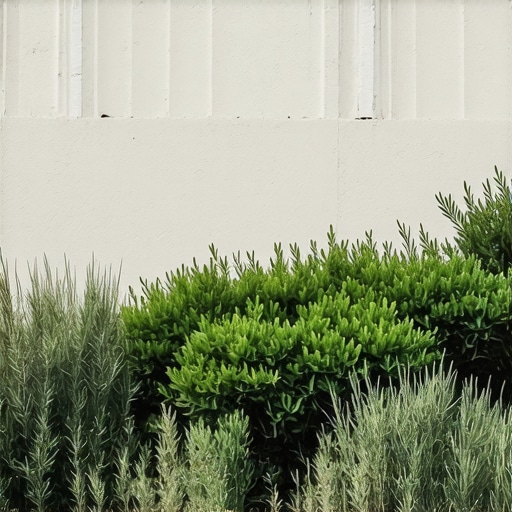
The Best Low-Maintenance Shrubs for North-Facing Walls
The Best Low-Maintenance Shrubs for North-Facing Walls
North-facing walls are the graveyard of the optimistic amateur. I always drill into my new crew members: if you don’t fix the soil grading first, every plant you put in the ground is just expensive compost. I have spent two decades digging out rotted root balls from these dark, damp micro-climates. The north side of a structure is a cold pocket. It receives the least amount of solar radiation, meaning soil evaporation is minimal and the air stays stagnant. Without proper planning, you are not building a garden; you are building a petri dish for root rot and powdery mildew. We approach these installs with engineering precision, focusing on drainage and biological suitability rather than aesthetic whims.
Understanding the North-Wall Micro-Climate and Soil Drainage
Designing for a north-facing wall requires managing limited UV exposure and high soil moisture retention to prevent fungal pathogens from colonizing the root systems of your shrubs. These areas often suffer from poor air circulation and hydrostatic pressure from foundation runoff, making species selection and soil amendment non-negotiable for long-term survival.
“A retaining wall doesn’t fail because of the stone; it fails because of the water trapped behind it.” – Hardscape Engineering Axiom
Before a single plant touches the dirt, we look at the grading. On a north-facing wall, the lack of sun means the ground stays wet for 40% longer than the south side. If your lawn care routine involves hitting the whole property with the same irrigation schedule, you are drowning your north-wall assets. We check the compaction levels. If the soil is heavy clay, we don’t just dig a hole; we excavate a trench. We backfill with a blend of native soil and coarse organic matter to increase the cation exchange capacity while ensuring the water has somewhere to go. If the water sits, the roots die. It is that simple.
How do I stop shrubs from rotting near north-facing foundations?
To prevent rot, ensure the soil grades away from the foundation at a minimum 2% slope and utilize coarse drainage media like #57 stone behind any decorative edging. Avoid mulch volcanoes, which trap moisture against the root flare, leading to cambium decay and eventual structural failure of the plant.
Top Shrub Selections for Deep Shade and Low Maintenance
When selecting shrubs for these zones, we look for “shade-obligate” or “shade-tolerant” species that have evolved to thrive in low-light forest floors. We avoid anything that requires high photosynthesis rates to maintain its color or structure. Here is the professional short-list we use for high-end residential garden design.
| Shrub Species | USDA Zone | Growth Rate | Key Technical Requirement |
|---|---|---|---|
| Taxus (Yew) | 4-7 | Slow | Must have perfect drainage; hates ‘wet feet’. |
| Buxus (Boxwood) | 5-9 | Medium | Requires 6.5-7.0 pH soil levels. |
| Pieris Japonica | 5-8 | Slow | Needs acidic soil and protection from winter wind. |
| Sarcococca (Sweet Box) | 6-9 | Slow | Excellent for tight spaces and heavy shade. |
| Hydrangea Quercifolia | 5-9 | Fast | Native variety with high drought tolerance once set. |
The Taxus (Yew) is the backbone of the north-wall landscape. It is a biological tank. It can handle heavy pruning and deep shade, but it has one fatal flaw: it cannot breathe in standing water. If your soil is saturated, the Yew will turn bronze and die within a season. We often install these on a slight mound, perhaps three inches above the surrounding grade, to ensure the crown stays dry. This is the difference between a five-year plant and a fifty-year plant.
Which shrubs grow best in full shade against a house?
The best shrubs for deep shade against a house are Taxus (Yew), Buxus (Boxwood), and Sarcococca because they maintain dense foliage without significant sunlight. These species are physiologically adapted to low-light environments, requiring minimal supplemental feeding and exhibiting high resistance to common ornamental pests found in cool, damp zones.
The Installation Process: Avoiding the ‘Mow and Blow’ Mistakes
Most landscape contractors treat a north-wall install like any other. They are wrong. You have to account for the foundation’s concrete footer. Concrete is alkaline. Over time, it leaches lime into the soil, spiking the pH. If you are planting acid-loving shrubs like Pieris Japonica, you need to buffer that soil or the plant will suffer from iron chlorosis. Its leaves will turn yellow while the veins stay green. It is a slow, ugly death.
“Correct plant placement starts with understanding the soil chemistry, not the flower color.” – Penn State Agricultural Extension
- Measure the Root Flare: Never bury the trunk. The flare must be visible at the soil line.
- Check Soil pH: Test the soil within three feet of the foundation to identify lime leaching.
- Drip Irrigation Only: Overhead watering on a north wall is a recipe for leaf spot. Use drip emitters.
- Mulch Depth: Two inches of shredded hardwood is plenty. Keep it away from the stems.
We use a sharp spade to clean the edges of the beds. This isn’t just for looks. It creates a physical break that prevents turf grass—and the nitrogen-hungry roots that come with it—from invading the shrub bed. Lawn care chemicals, specifically broadleaf weed killers, can drift into these shaded pockets and linger because there is no sun to break down the compounds. We keep the turf at a distance.
Hardscaping Integration and Hydrostatic Pressure
In high-end landscaping, we often pair north-facing shrubs with stone work. But you have to be careful. A stone wall on the north side of a house creates a double-shade effect. It also acts as a dam. If you don’t install a French drain or weep holes in your hardscape, you are creating a bathtub for your plants. We use non-woven geotextile fabric to line our trenches. This keeps the fines out of our drainage stone. It keeps the system running for decades. Don’t skip this. It will rot if you do.
Year one is the critical window. Even though these are low-maintenance, they need consistent moisture while their root systems move from the nursery ball into the native soil. We tell clients to check the soil with their finger. If it’s cool and damp, leave it alone. If it’s dry to the second knuckle, give it a deep soak. Not a five-minute sprinkle. A deep, slow soak that forces the roots to grow downward. This builds drought resistance. It makes the plant resilient.
![4 Shade-Loving Groundcovers for 2026 Clay Soil [Fast]](https://lawnmajesty.com/wp-content/uploads/2026/05/4-Shade-Loving-Groundcovers-for-2026-Clay-Soil-Fast.jpeg)
![Why Your 2026 Arborvitae is Turning Brown [Winter Burn Fix]](https://lawnmajesty.com/wp-content/uploads/2026/05/Why-Your-2026-Arborvitae-is-Turning-Brown-Winter-Burn-Fix.jpeg)