The Easiest Way to Drain Your Pond for Winter Cleaning
The Foundation of Aquatic Winterization
I always drill into my new crew members: if you don’t fix the soil grading first, every plant you put in the ground is just expensive compost. The same logic applies to water features. Most homeowners treat a pond like a bathtub, but it is actually a complex biological reactor. Draining a pond for winter cleaning isn’t just about removing water; it is about managing the organic load and ensuring the hydrostatic pressure of the surrounding soil doesn’t collapse your liner or shell. If you leave six inches of muck at the bottom over the winter, you are essentially brewing a toxic tea of hydrogen sulfide that will kill your nitrogen-fixing bacteria and your fish come spring.
“Organic matter decomposition in anoxic conditions produces hydrogen sulfide, which is lethal to aquatic life at even low concentrations.” – Aquaculture Extension Manual
The Easiest Way to Drain Your Pond for Winter Cleaning
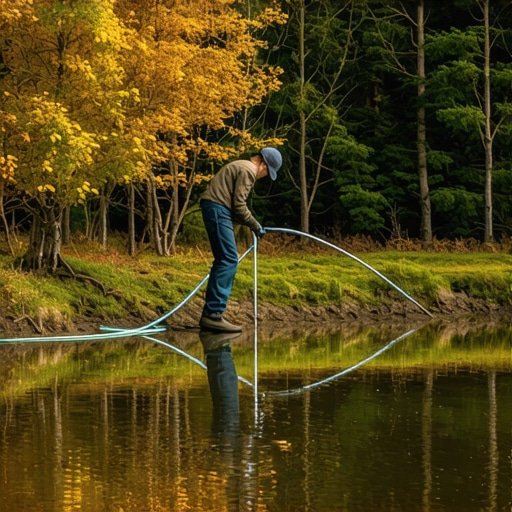
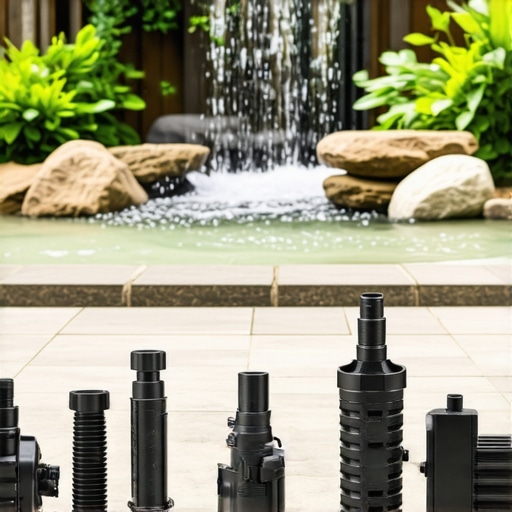
The most efficient method to drain a pond involves using a high-volume submersible trash pump paired with a 2-inch discharge hose to move 3,000 gallons per hour. Avoid using your regular filtration pump, as the suspended solids and heavy sludge will burn out the impeller. Position the pump at the lowest point, but keep it elevated on a CMU block to avoid clogging immediately with anaerobic muck. This setup ensures a rapid draw-down while protecting your expensive equipment.
How much modified gravel do I need for a pond edge?
For a standard pond perimeter, you need approximately 1 ton of modified gravel or #57 stone per 15 linear feet to ensure a stable capillary break and prevent soil erosion into the water. This prevents the edges from slumping during the drainage process when the internal water pressure is removed. Without this structural support, the weight of the surrounding hardscaping can push the liner inward, leading to permanent structural deformation. You must account for the angle of repose of your soil type, especially in high-clay regions.
| Pump Type | Solids Handling | Flow Rate (GPH) | Best Use Case |
|---|---|---|---|
| Submersible Utility | None | 1,200 – 2,500 | Small decorative features |
| Trash Pump | Up to 1 inch | 3,000 – 5,000 | Large ponds with heavy muck |
| External Centrifugal | Minimal | 2,000 – 8,000 | Permanent filtration bypass |
| Diaphragm Pump | High Sludge | 1,500 – 2,500 | Deep cleaning thick silt |
Hydraulic Dynamics and Pump Selection
Selecting the wrong pump is the fastest way to turn a four-hour job into a two-day nightmare. You need to calculate the Total Dynamic Head (TDH), which includes the vertical lift and the friction loss through your discharge hose. Most mow-and-blow contractors will throw a garden hose over the side and call it a day. That is amateur hour. A 3/4-inch garden hose can only move about 10-12 gallons per minute. If you have a 5,000-gallon pond, you will be there for eight hours. Use a 2-inch PVC suction hose or a heavy-duty lay-flat discharge hose to minimize friction. The goal is to move the water fast enough that the organic solids remain in suspension, allowing you to pump them out rather than shoveling them out later.
What is the fastest way to remove pond sludge?
The fastest way to remove pond sludge is to use a venturi-style pond vacuum or a trash pump while simultaneously agitating the bottom with a stiff-tine rake. This keeps the detritus and bio-film suspended in the water column so it can be vacuumed out. Biological additives containing heterotrophic bacteria can be used two weeks prior to draining to begin breaking down the cellulose and lignin in fallen leaves, making the physical removal significantly easier. Do not wait until the water is 40 degrees; the bacteria won’t work.
“A pond’s biological filter is a living organism; once the water temperature drops below 50°F, the nitrifying bacteria effectively go dormant.” – Water Feature Engineering Institute
- Inspect the Check Valve: Ensure your plumbing won’t backflow into the pond once the pump is cut.
- Monitor Fish Stress: Use a dedicated 100-gallon aerated stock tank with original pond water for temporary housing.
- Check for Liner Tears: Use the drainage period to inspect the EPDM membrane for punctures.
- Clear the Skimmer: Remove all bio-ribbon or lava rock media and pressure wash them.
- Orphan the Bottom Drain: Clear any obstructions in the 4-inch lines that are usually inaccessible.
The Biological Reality of Winter Dormancy
When the water level drops, you expose the periphyton layer—the complex mix of algae, cyanobacteria, and microbes living on the rocks. If you leave this exposed to the air for too long, it dies and rots, creating a massive ammonia spike when you refill. Work in sections. Keep the rocks damp. If you are in a region with heavy freeze-thaw cycles, like the Northeast, you must ensure that the capillary fringe around the pond is dry before the first hard freeze. Water trapped behind a liner or under a paver patio will expand, causing frost heave that can lift 500-pound boulders like they are toothpicks. This is why soil microbiology and civil engineering are inseparable in high-end landscaping. You aren’t just cleaning a pond; you are managing hydrostatic equilibrium. Don’t skip the details. It will fail. “

![Fixing 2026 Ponds with Murky Water [Filter Hack]](https://lawnmajesty.com/wp-content/uploads/2026/07/Fixing-2026-Ponds-with-Murky-Water-Filter-Hack.jpeg)