Why You Should Ditch the Plastic Pond Liner for EPDM
The Hardscape Autopsy: Why Cheap Liners Cost Triple
I recently got called out to tear up a $30,000 patio and pond combo that was sinking and leaking because the previous contractor used a 20-mil PVC plastic liner instead of 45-mil EPDM. The homeowner thought they saved $800 on materials. Instead, they paid me $12,000 in labor just to excavate the failure. The plastic had become brittle and snapped like a dry cracker. It was a mess. This is why I don’t touch plastic. It is cheap for a reason. Real pros use rubber.
The Structural Reality of Pond Liners
EPDM pond liners (Ethylene Propylene Diene Monomer) provide a superior moisture barrier compared to plastic PVC liners because they maintain 300% elasticity even in sub-zero temperatures. In garden design and hardscaping, using a material that resists UV degradation and molecular fatigue is the only way to prevent catastrophic ground saturation and structural settling.
“EPDM membranes are highly resistant to ozone, UV radiation, and extreme temperatures, making them ideal for water containment structures.” – NRCS Engineering Field Handbook
The Chemistry of Brittleness
Plastic liners, specifically those made of PVC or HDPE, rely on plasticizers to remain flexible. Over time, these chemicals leach out into the water. This process, known as off-gassing or leaching, leaves the remaining plastic rigid. When the ground shifts—and it will shift—the rigid plastic cracks. EPDM is a cross-linked synthetic rubber. It doesn’t have plasticizers to lose. It stays flexible for 30 to 50 years. I have pulled EPDM out of the ground after two decades that still felt like a new inner tube. Plastic is a ticking time bomb. Don’t use it.
Engineering the Base: Beyond the Dig
Successful landscaping requires understanding that the liner is only as good as the substrate. Lawn care and soil stabilization go hand-in-hand here. You must remove every sharp stone and root. Then you apply a non-woven geotextile underlayment. This fabric protects the EPDM from punctures caused by hydrostatic pressure. When you fill a 2,000-gallon pond, you are putting 16,000 pounds of pressure on that liner. If there is a sharp pebble underneath, that pressure will drive it through plastic like a needle through paper. EPDM stretches over the rock; plastic punctures.
| Feature | PVC Plastic | HDPE Plastic | EPDM Rubber |
|---|---|---|---|
| Flexibility | Low (Temperature Dependent) | Moderate | High (All Climates) |
| UV Resistance | Poor (Cracks over time) | Fair | Excellent |
| Lifespan | 5-10 Years | 10-15 Years | 30-50 Years |
| Repairability | Difficult (Heat Welding) | Heat Seaming | Easy (Cold Patches) |
How much does EPDM pond liner cost per square foot?
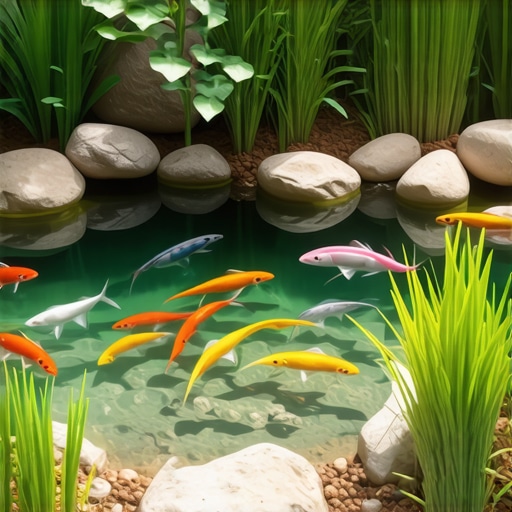
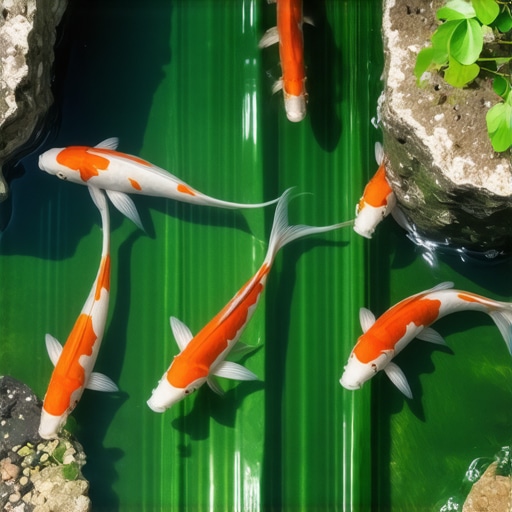
On average, EPDM pond liners cost between $0.90 and $1.50 per square foot, which is roughly 30% more than plastic pond liners. However, when factoring in the 500% increase in lifespan and reduced risk of hardscaping failure, the return on investment is immediate. Never shop at big-box stores for this. Go to a dedicated irrigation or pond supply house. You want the 45-mil Grade-A fish-safe stuff. Non-fish-safe EPDM often contains fire retardants and algaecides that will kill your plants and koi.
Hydrostatic Pressure and Liner Tension
Water is heavy. A single cubic foot of water weighs 62.4 pounds. If your pond is three feet deep, the pressure at the bottom is significant. Plastic liners suffer from “stress whitening” where the material stretches but cannot return to its original shape. EPDM has memory. It moves with the freeze-thaw cycles of the soil. In the winter, when the ground expands, EPDM expands with it. Plastic resists, then fails. It is simple physics.
“A retaining wall doesn’t fail because of the stone; it fails because of the water trapped behind it.” – Hardscape Engineering Axiom
Can you repair a hole in an EPDM liner?
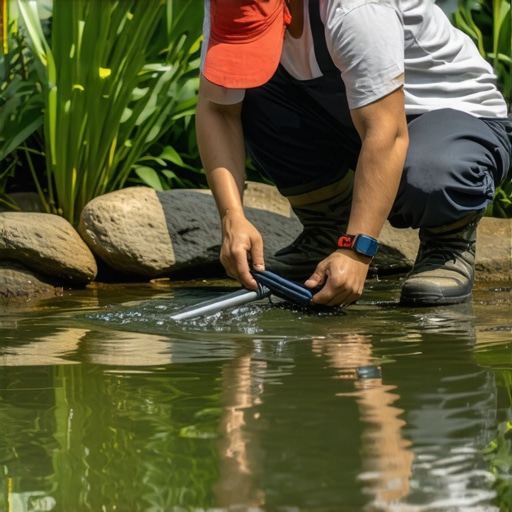
Yes, EPDM liners can be repaired using a primer and a pressure-sensitive adhesive patch, similar to a tire tube repair. Unlike plastic pond liners, which often require specialized heat-welding equipment to seal properly, EPDM allows for reliable “cold-applied” repairs that bond at the molecular level. If you puncture EPDM, it’s a ten-minute fix. If you puncture plastic, you’re usually replacing the whole sheet.
Professional Installation Checklist
- Excavate with 20-degree shelf slants to prevent wall collapse.
- Remove all organic debris and sharp aggregates from the pit.
- Install 8-ounce non-woven geotextile fabric as a primary buffer.
- Lay the EPDM with 12 inches of overlap at the perimeter for anchoring.
- Fill with water slowly to allow the rubber to conform to the contours.
- Anchor the edges with heavy stone or coping to resist wind uplift.
Maintenance and the Settling Period
Once the liner is in, don’t just walk away. The first year is the settling period. Check the water level daily. A drop of more than an inch a week (excluding evaporation) indicates a leak at the skimmer or a fold. EPDM is forgiving, but even it can’t survive a bad skimmer seal. Keep the lawn care chemicals away from the pond edge. High-nitrogen fertilizers will cause massive algae blooms if they wash into the water. Precision matters. Details matter. Do it right once, or do it twice and pay me to fix it.