The Secret to Growing Massive Pumpkins in a Small Garden
The Hard Truth About Giant Pumpkins in Small Spaces
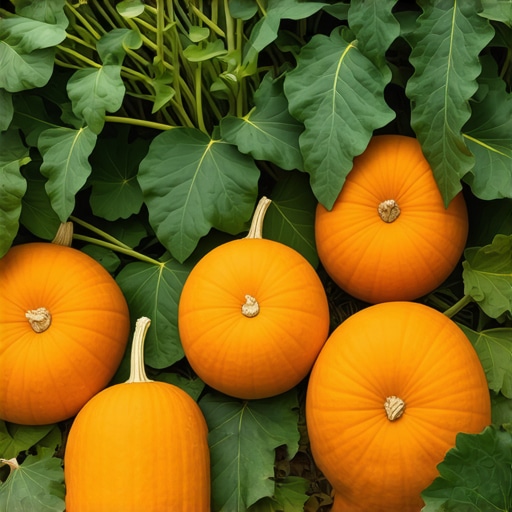
I always drill into my new crew members: if you don’t fix the soil grading first, every plant you put in the ground is just expensive compost. I’ve seen guys spend thousands on nursery stock just to watch it drown in a low spot because they didn’t understand surface drainage. Growing a massive pumpkin in a tight suburban lot is no different than building a high-end retaining wall; it’s an engineering project that happens to involve biology. Most DIYers think you just throw a seed in the dirt and hope for the best. That’s how you end up with a baseball-sized fruit and a yard full of mildew. If you want a 500-pound beast in a 10×10 space, you have to manipulate the plant’s physiology through precise soil microbiology and nutrient timing.
Soil Engineering: The Subterranean Powerhouse
To grow massive pumpkins in a small garden, you must optimize the Cation Exchange Capacity (CEC) of your soil to ensure the plant can actually utilize the nitrogen and potassium you’re feeding it. This requires a soil pH of 6.5 to 6.8 and a minimum of 10% organic matter by volume. Forget the bag of cheap topsoil from the big-box store. You need a structured medium that allows for oxygen exchange.
“The success of a giant pumpkin is determined 90% by the root system’s ability to access oxygenated water and 10% by the genetics of the seed itself.” – Agronomy Manual for High-Yield Crops
When I build a garden design for clients, I treat the soil like a foundation. If the soil is compacted—common in areas where lawn care involves heavy riding mowers—the roots will fail. You need to excavate at least 24 inches and backfill with a mix of aged manure, peat moss, and perlite. This creates a high-porosity environment where the Cucurbita maxima can thrive.
The Vertical Strategy: Garden Design for Square Footage
Maximizing pumpkin growth in limited space requires a vertical trellising system or a circular vine training protocol that forces the plant to concentrate its energy into a single fruit. In a standard landscaping setup, people let vines wander. In a master gardener’s plot, you control every inch. You don’t have room for a 30-foot vine. Instead, you train the main vine in a coil or use a heavy-duty A-frame trellis. However, be warned: giant pumpkins are heavy. If you go vertical, the fruit must remain on the ground. The trellis is for the foliage only. Each leaf is a solar panel. You need at least 150 square feet of leaf surface area to pump enough sugar into a prize-winning pumpkin. If you don’t have the horizontal space, you go up.
How much space does a giant pumpkin plant really need?
While a standard giant pumpkin plant can easily cover 1,200 square feet, a small garden can produce a massive fruit in as little as 150 to 200 square feet if the vine pruning and secondary root burial are handled with surgical precision. You must terminate the side vines after 8-10 feet to stop the plant from wasting energy on foliage it doesn’t need. Cut it. Don’t hesitate.
Hydration and Hydrostatic Pressure Management
Water is the fuel, but it’s also the enemy. In hardscaping, we worry about hydrostatic pressure behind walls; in pumpkin growing, we worry about internal pressure. If you water too fast after a dry spell, the pumpkin will literally explode. It will crack. I’ve seen it happen overnight. You need a drip irrigation system on a timer. Surface watering with a hose is for amateurs. It gets the leaves wet, invites powdery mildew, and results in shallow root systems. You want deep, infrequent cycles that force roots down.
“Water management in large-scale cucurbit production must prioritize soil moisture consistency to prevent fruit splitting and vascular collapse.” – Penn State Agricultural Extension
My rule: 1 inch of water per week, delivered directly to the root zone, split into two 45-minute sessions. Period.
The Nutritional Payload: NPK and Micronutrient Ratios
You can’t just dump 10-10-10 on the ground and expect a monster. Massive pumpkins require a shifting nutrient profile. In the early vegetative stage, you want high Nitrogen (N) for leaf growth. Once you see the first female flower, you pivot to High Phosphorus (P) for bloom set. After the fruit is the size of a basketball, you hammer it with Potassium (K). Potassium is what moves the water and sugar into the fruit. I recommend a water-soluble 0-0-50 for the final push. Also, don’t ignore calcium. Calcium is the cement that holds the cell walls together. Without it, the pumpkin is soft and prone to rot. It will rot. Don’t skip the calcium.
| Phase | Target NPK Ratio | Frequency | Primary Goal |
|---|---|---|---|
| Early Growth | 20-10-10 | Weekly | Leaf Area Index |
| Flowering | 10-30-10 | Bi-weekly | Fruit Set |
| Bulk Growth | 0-10-40 | Every 5 days | Cellular Expansion |
| Late Season | 0-0-50 | Weekly | Sugar Content/Weight |
What is the best fertilizer for massive pumpkin growth?
The best fertilizer for massive pumpkins is a chelated liquid fertilizer that includes humic acid and seaweed extract, as these organic compounds improve nutrient bioavailability and help the plant resist heat stress during peak summer months. Avoid high-salt synthetic fertilizers that can dehydrate the soil microbiology and harm the beneficial mycorrhizal fungi that are essential for root health.
The Master’s Checklist for Small-Space Success
- Soil Test: Get a professional lab analysis by March. You can’t fix what you haven’t measured.
- Seed Selection: Get an “Atlantic Giant” strain. Grocery store seeds are for carving, not winning.
- Secondary Rooting: Bury the vine every 3 feet. This creates a secondary root system at every leaf node.
- Fruit Positioning: Ensure the pumpkin is at a 90-degree angle to the vine to prevent stem stress as it grows.
- Shade Structure: Build a mini-canopy over the fruit. The sun hardens the skin, which stops it from expanding.
Contrarian Wisdom: Stop Mowing Your Lawn Near the Patch
Here’s something the internet won’t tell you: your lawn care routine is likely killing your pumpkin patch. Most homeowners use broadleaf weed killers on their grass. These chemicals are volatile. If you spray your lawn on a breezy day, the drift will hit your pumpkin leaves. Pumpkin vines are incredibly sensitive to phenoxy herbicides. They will twist, yellow, and die. If you’re serious about the patch, stop the chemical lawn treatments within 50 feet of the vines. Use mechanical weeding only. It’s hard work. It’s the only way. Also, watch out for hardscaping features like concrete paths. They radiate heat at night. In the heat of August, that extra 5 degrees of soil temperature can cause the plant to shut down its stomata, halting growth. Use mulch to keep the roots cool. If the roots get hot, the growth stops. It’s that simple. [IMAGE_PLACEHOLDER]