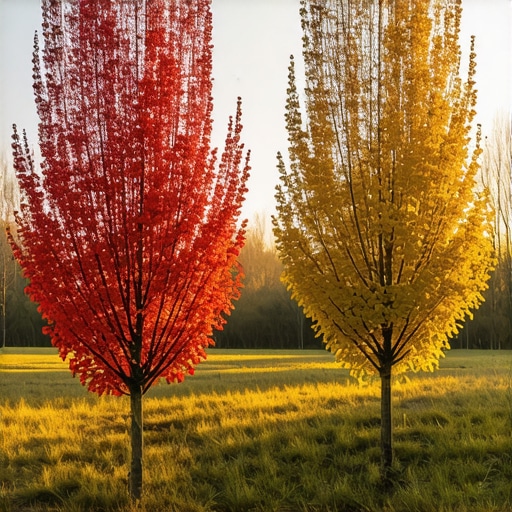
Why Late Fall is the Absolute Best Time to Plant Trees
The Myth of Spring Planting and the Reality of Soil Biology
Late fall is the optimal time for tree planting because the combination of cooling air temperatures and warm soil induces metabolic dormancy in the canopy while promoting aggressive root development. This allows the root system to establish structural integrity and mycorrhizal networks before the spring growth surge.
I always drill into my new crew members: if you don’t fix the soil grading first and respect the root flare, every plant you put in the ground is just expensive compost. Last year, I saw a ‘professional’ crew install twelve mature White Oaks in a heavy clay site during a wet April. By July, those trees were suffering from massive transplant shock and root rot because the spring rains had oversaturated the planting holes, essentially turning them into bathtubs. Had they waited until the dormant window of late October or November, those trees would have had months to push root tips into the surrounding native soil without the stress of supporting a full canopy of leaves. It’s about engineering the environment for success, not just making it look pretty for a week.
The Science of Root Elongation in Cooling Soils
While the visible part of the tree—the canopy—goes into dormancy as photoperiods shorten, the underground biology is working overtime. Soil retains heat much longer than the atmosphere. While the air might be 45 degrees Fahrenheit, the soil temperature 12 inches down can remain in the high 50s for several weeks. This temperature differential is the secret weapon of the veteran horticulturist. During this phase, the tree redirects its carbohydrates from the leaves to the root system. Auxin, the hormone responsible for root growth, is produced in the buds and transported downward. In the fall, this chemical signal tells the tree to expand its root architecture. This isn’t just growth; it’s a structural insurance policy. Without the demand for transpiration (water loss through leaves), the tree can focus 100% of its energy on hydraulic conductivity and nutrient uptake capacity.
“Trees planted in the fall require less supplemental irrigation because the lower evapotranspiration rates reduce the demand on the newly formed root hairs, allowing for more efficient water use during the critical establishment phase.” — Texas A&M AgriLife Extension
The Engineering of the Planting Hole
Stop digging deep holes. A tree is not a fence post. It is a biological engine that needs oxygen to function. In my firm, we dig holes three times the width of the root ball but no deeper than the root ball itself. If you dig too deep, the soil underneath the root ball will settle, causing the tree to sink. When a tree sinks, the root flare—the point where the trunk widens at the base—gets buried. This is a death sentence. Buried root flares lead to girdling roots, which eventually strangle the tree like a slow-motion noose. We use a level or a shovel handle to ensure the root flare is exactly one inch above the surrounding grade. This allows for settling while ensuring the bark stays dry and oxygen can reach the upper roots. Don’t skip the compaction check. We use a hand tamper to firm the soil in the bottom of the hole to a 95% Proctor density to prevent vertical movement.
| Metric | Late Fall Planting | Spring Planting | Impact on Tree Health |
|---|---|---|---|
| Root Growth Duration | 4-6 Months (Pre-Spring) | 0-2 Months (Pre-Summer) | Fall offers 3x more establishment time. |
| Transpiration Stress | Low (Dormant) | High (New Leaves) | Spring trees lose water faster than they can take it. |
| Irrigation Requirement | Minimal / Supplemental | Daily / Critical | Lower maintenance costs in the fall. |
| Soil Compaction Risk | Lower (Dryer Soil) | Higher (Muddy Soil) | Wet spring soil leads to anaerobic conditions. |
How often should I water a tree planted in the fall?
A newly planted tree requires approximately 1.5 to 2 gallons of water per inch of trunk diameter every 7 to 10 days until the ground freezes. The goal is to keep the root ball moist but not saturated. Over-watering in late fall is a common rookie mistake that leads to root asphyxiation. We use a tensiometer or a simple 12-inch screwdriver to check moisture levels; if the screwdriver doesn’t slide in easily, the soil is too dry. If it comes out with mud clinging to it, you’re drowning the specimen. Consistency is key. Deep, infrequent soakings force the roots to chase the moisture downward, creating a more drought-resistant tree for the following summer. Shallow watering creates shallow roots. It’s that simple.
What trees should not be planted in late fall?
While most deciduous species thrive with fall planting, certain ‘slow-to-recover’ species are better suited for spring. This includes thin-barked trees and those with fleshy root systems like Magnolias, Tulip Poplars, and certain Oaks (like Willow Oaks). These species don’t regenerate root tissue quickly enough to survive a harsh first winter if planted too late. However, for Maples, Elms, Crabapples, and most conifers, the fall window is wide open. Always check your USDA Hardiness Zone. If you’re in Zone 5, your cutoff is late October. In Zone 8, you can often plant well into December. Know your climate. Don’t fight biology.
“Proper root flare exposure is the single most critical factor in long-term tree survival, as burying the trunk leads to adventitious root growth and eventual girdling.” — International Society of Arboriculture (ISA) Guidelines
The Hardscape and Drainage Connection
As a hardscape foreman, I look at trees as part of a larger civil engineering project. A tree’s root system can exert tremendous pressure. If you are planting near a patio or a retaining wall, you must account for the Mature Spread of the root system. We often install root barriers—high-density polyethylene (HDPE) sheets—between the tree and the hardscape base. This forces the roots downward, preventing them from lifting pavers or cracking concrete. Furthermore, you must consider the hydrostatic pressure in the soil. If your yard has poor drainage, a fall-planted tree will sit in ice-cold water all winter. We solve this by installing a French drain or adjusting the site grade to ensure water moves away from the planting site. If the soil doesn’t drain, the tree won’t survive. It’s engineering 101.
- Step 1: Locate Utilities. Call 811. Don’t be the guy who cuts a fiber optic line for a $200 Maple.
- Step 2: Soil Test. Know your pH. If your soil is alkaline and you’re planting a Red Maple, it will fail.
- Step 3: Remove All Packaging. Burlap, wire baskets, and twine must go. They restrict root growth.
- Step 4: The 2-Inch Mulch Rule. Use organic arborist wood chips. Keep it away from the trunk. No mulch volcanoes.
- Step 5: Staking (Only if necessary). Most trees don’t need it. If you do stake, use flexible ties and remove them after one season.
Why Nitrogen is the Enemy in Late Fall
The internet will tell you to fertilize your new tree. The internet is wrong. High-nitrogen fertilizers in late fall stimulate tender new growth in the canopy. This growth hasn’t had time to ‘harden off’ before the first freeze, leading to massive dieback. If you want to help the tree, use a mycorrhizal inoculant. These beneficial fungi form a symbiotic relationship with the roots, increasing their surface area and nutrient absorption capacity by up to 1,000 times. We focus on soil structure and microbial health, not chemical stimulants. Let the tree grow at its own pace. It knows what it’s doing. You’re just there to provide the right foundation.
The Maintenance Timeline for Year One
The first year is the ‘creep’ phase. Year two is the ‘crawl’ phase. Year three is the ‘leap’ phase. During that first year, your only job is monitoring moisture and protecting the bark from deer or mechanical damage (weed whackers are tree killers). In the fall, we apply a thin layer of compost to provide a slow-release source of nutrients. We also install a plastic tree guard to prevent ‘sunscald’—a condition where the winter sun warms the bark during the day, and it freezes and cracks at night. It’s about protection, not promotion. If you do the work in the fall, you’ll see the payoff in the spring. While your neighbors are struggling with transplant shock, your trees will be pushing out healthy, vigorous new growth. This is the difference between a landscaper and a hack. Science wins every time. Don’t skip the details. The dirt doesn’t lie. Check your grade. Plant in the fall. Watch it grow.
![4 2026 Best Plants for Salty Roadside Soil [Tested]](https://lawnmajesty.com/wp-content/uploads/2026/07/4-2026-Best-Plants-for-Salty-Roadside-Soil-Tested.jpeg)