![4 Drought-Tolerant Perennials for 2026 Full Sun [Zone 8]](https://lawnmajesty.com/wp-content/uploads/2026/05/4-Drought-Tolerant-Perennials-for-2026-Full-Sun-Zone-8.jpeg)
4 Drought-Tolerant Perennials for 2026 Full Sun [Zone 8]
Mastering Heat Resilience in Zone 8 Landscapes
Drought-tolerant perennials for Zone 8 are specialized botanical species capable of maintaining cellular turgidity and metabolic function with less than 0.5 inches of supplemental water per week during peak thermal stress. In the 2026 climate landscape, selecting Salvia greggii, Hesperaloe parviflora, Lantana urticoides, and Achillea millefolium ensures a hardened garden design that resists the desiccating effects of 100-degree days.
I always drill into my new crew members: if you don’t fix the soil grading first, every plant you put in the ground is just expensive compost. I have watched too many rookies drop a high-quality Autumn Sage into a hole with a 15-inch clay pan and wonder why it rotted after a single rainstorm. They think they are helping by adding a handful of big-box store fertilizer. They are wrong. You are not just planting a flower; you are installing a biological hydraulic pump. If the soil physics are broken, the biology fails. We start by analyzing the bulk density of the soil. If you cannot push a 1/2-inch rebar rod 12 inches into the ground with one hand, your roots will never penetrate deep enough to survive a Texas or Georgia summer. We excavate, we grade for a 2% slope away from hardscaping, and only then do we talk about plants.
The Engineering of Garden Design and Soil Physics
Before selecting your perennials, you must address the hydrostatic reality of your site. Hardscaping elements like flagstone patios or retaining walls act as heat sinks, radiating thermal energy back into the root zones of adjacent plantings. This increases the transpiration rate of your vegetation. A common failure in amateur landscaping is ignoring the relationship between the modified gravel base of a walkway and the drainage of the planting bed. Water follows the path of least resistance. If your garden bed is lower than your patio base, you are essentially creating a subterranean swimming pool for your perennials. This leads to anaerobic soil conditions and root rot. We use a 4-inch base of compacted 21A or 57 stone for hardscapes to ensure stability, but we also install French drains or swales to steer runoff into rain gardens rather than letting it saturate the root flares of our perennials.
“Soil compaction is the single greatest barrier to plant establishment in urban environments. A bulk density exceeding 1.6 g/cm3 for clay soils will physically impede root penetration and gas exchange.” – USDA Soil Quality Institute Technical Manual
1. Salvia greggii (Autumn Sage)
Salvia greggii is a woody perennial that functions as the backbone of a drought-hardy garden in Zone 8. It utilizes a deep fibrous root system to anchor itself in rocky, calcareous soils. In 2026, we are seeing a shift toward cultivars that prioritize foliar density over sheer flower size. This is because more leaves mean more shade for the plant’s own interior stems, reducing the overall temperature of the vascular system. When planting, do not amend the hole with heavy peat moss. These plants evolved in lean soil. High nitrogen levels lead to leggy, weak growth that collapses under its own weight. Instead, focus on soil aeration. The goal is a soil pH between 6.5 and 8.5. If your soil is too acidic, the plant will struggle with phosphorus uptake, leading to poor blooming cycles. Cut it back by one-third in late winter to encourage new, rigid growth. This is not optional. Leggy plants die faster in the wind.
2. Hesperaloe parviflora (Red Yucca)
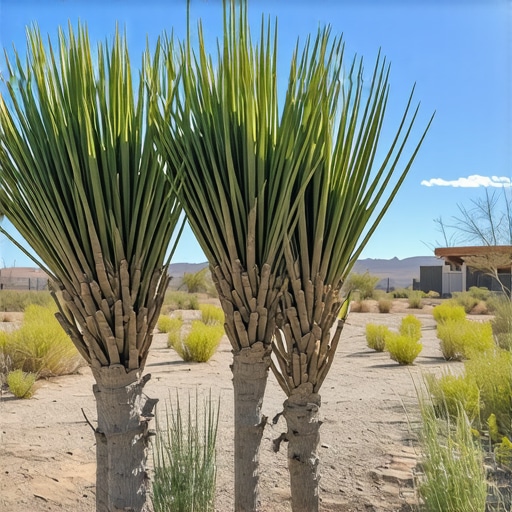
This is not a true yucca, but it is a master of CAM (Crassulacean Acid Metabolism) photosynthesis. It opens its stomata at night to take in carbon dioxide, minimizing water loss through evaporation during the heat of the day. This makes it a primary candidate for landscaping near reflective surfaces like concrete driveways. For a successful install, you must ensure the root flare is slightly above the soil line. If you bury the crown, the plant will rot from the top down. We recommend a 2-inch layer of decomposed granite or pea gravel as mulch rather than wood chips. Wood mulch holds moisture against the crown, which is a death sentence for Hesperaloe. In Zone 8, these plants provide a vertical structural element that breaks up the horizontal lines of lawn care and low-profile garden beds.
3. Lantana urticoides (Texas Lantana)
Lantana is often treated as a disposable annual by big-box retailers, but the native urticoides species is a rugged perennial in Zone 8. It is highly resistant to salt spray, making it ideal for coastal regions or areas near salted winter roads. Its root system is opportunistic and aggressive. It can find water in microscopic soil pores where other plants would wilt. However, the enemy here is over-watering. Constant moisture leads to lace bug infestations and powdery mildew. We treat Lantana with a “tough love” approach. Once established, we stop supplemental irrigation entirely. This forces the plant to harden its cell walls, making it less palatable to deer and more resistant to heat spikes. It will thrive in the 105-degree sun of July when your neighbor’s fescue lawn has turned into a brown tinderbox.
4. Achillea millefolium (Yarrow)
Yarrow is a rhizomatous perennial that doubles as a soil stabilizer. Its fern-like foliage is coated in fine hairs that trap a boundary layer of air, reducing the rate of transpiration. In 2026, we are using Yarrow to replace traditional turf in low-traffic areas of the lawn care program. It can be mowed on a high setting, but its true value is its ability to mine minerals from deep in the subsoil. Yarrow is a dynamic accumulator, bringing potassium and calcium to the surface where it becomes available to other plants as the Yarrow foliage decays. It thrives in poor soil. If you fertilize Yarrow, you will get a carpet of green with zero flowers. Leave it alone. It prefers a pH of 5.5 to 8.0, making it incredibly versatile across the varied soil types of Zone 8.
“Water doesn’t kill plants; the lack of oxygen in the root zone does. Good drainage is the first law of horticulture.” – Texas A&M AgriLife Extension
How much modified gravel do I need for a patio base?
To calculate your base material, multiply the square footage of the patio by the depth of the base in feet. For a standard 4-inch base, multiply square footage by 0.33. Divide the resulting cubic feet by 27 to find the total cubic yards. Order 10% extra for compaction. Do not skimp on this. A thin base leads to shifting pavers and poor drainage for your nearby perennials.
What is the best mulch for drought-tolerant perennials?
In Zone 8, the best mulch for drought-hardy plants is inorganic material like 1/4-inch crushed stone or decomposed granite. Organic wood mulches decompose and can create a fungal mat that repels water, a condition known as hydrophobicity. Inorganic mulch allows water to penetrate immediately to the roots while keeping the plant crown dry. It also reflects less heat than dark wood mulch if you choose lighter stone colors.
| Plant Species | Growth Habit | Sun Requirement | Drought Score (1-10) |
|---|---|---|---|
| Salvia greggii | Mounding Shrub | Full Sun | 8 |
| Hesperaloe parviflora | Rosette/Spiky | Full Sun | 10 |
| Lantana urticoides | Spreading Groundcover | Full Sun | 9 |
| Achillea millefolium | Mat-forming | Full Sun/Part Shade | 7 |
Installation Checklist for Heat-Resilient Perennials
- Soil Test: Verify pH is between 6.0 and 8.0. Check for heavy metal contaminants.
- Grading: Ensure a minimum 2% slope away from structures to prevent pooling.
- Digging: The hole must be twice as wide as the root ball but no deeper.
- Root Flare: Locate the point where the roots meet the stem; this must stay at or above the soil surface.
- Initial Watering: Saturate the root ball immediately after planting to remove air pockets. Do not water again until the top 2 inches of soil are dry.
- Mulching: Apply 2 inches of gravel or stone mulch, keeping it 3 inches away from the plant stem.
Maintaining these plants requires a shift in mindset. You are not a nurse; you are a coach. Your job is to prepare the environment and then step back. Over-pruning, over-watering, and over-fertilizing are the three horsemen of a failed landscape. In 2026, sustainability is not a buzzword; it is a requirement for survival. By focusing on soil physics and choosing species that have spent thousands of years adapting to heat, you build a landscape that lasts decades rather than weeks. Forget the lawn care hacks you see on social media. Stick to the science of the soil.
![Low-Maintenance 2026 Front Yard Shrubs [Full Sun]](https://lawnmajesty.com/wp-content/uploads/2026/07/Low-Maintenance-2026-Front-Yard-Shrubs-Full-Sun.jpeg)