![Why Your 2026 Grass Seed Isn't Growing [Soil Fix]](https://lawnmajesty.com/wp-content/uploads/2026/06/Why-Your-2026-Grass-Seed-Isnt-Growing-Soil-Fix.jpeg)
Why Your 2026 Grass Seed Isn’t Growing [Soil Fix]
The Forensic Autopsy of a Failed Lawn
Most 2026 grass seed failure stems from biological dormancy and soil compaction exceeding 1.4 g/cm3. When the soil is too dense, the primary radicle cannot penetrate, and the seedling starves of oxygen. Success requires a pH of 6.2 to 7.0 and a cation exchange capacity (CEC) capable of holding nutrients. A homeowner called me in a panic after they completely torched their front lawn by applying a high-salt, synthetic 20-20-20 fertilizer in the middle of a July dry spell. They didn’t just kill the grass; they sterilized the top two inches of the soil profile. The soil was so salty it was pulling moisture out of the roots via osmotic pressure. We had to flush the profile with 4 inches of water and re-inoculate the entire area with mycorrhizae before a single seed would even think about popping. Don’t be the guy who thinks more chemicals equal more green. It’s about biology, not just chemistry. If your dirt is dead, your seed is just expensive bird food.
The Invisible Physics of Soil Compaction
Compaction is the silent killer of turf because it eliminates the macropores necessary for oxygen exchange and water infiltration. When bulk density rises, the soil acts like concrete, forcing roots to grow laterally instead of pushing 6 inches deep into the profile.
“Standard compaction for turfgrass should not exceed a bulk density of 1.6 g/cm³ to allow for adequate gas exchange and root penetration.” – University of California Division of Agriculture and Natural Resources
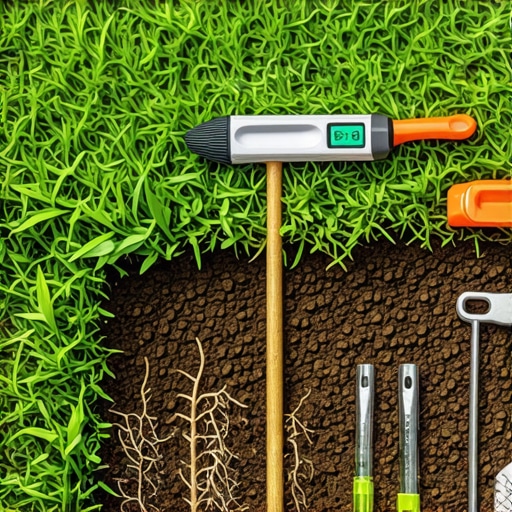
You can’t fix this with a rake. You need mechanical intervention. If you can’t push a screwdriver 4 inches into your soil with moderate pressure, your grass will never thrive. The roots need air to breathe; without it, they suffocate and the plant enters a state of permanent stress, making it a target for Pythium and other fungal pathogens. [IMAGE_PLACEHOLDER]
Why is my new grass seed not germinating?
New grass seed fails to germinate primarily due to poor seed-to-soil contact and fluctuating moisture levels in the top 0.5 inches of the soil profile. If the seed sits on top of a thatch layer or if the soil surface dries out for even 4 hours during the sprouting phase, the embryonic plant will perish. You need to ensure the seed is pressed firmly into the mineral soil, not just tossed on top. Use a lawn roller. It makes a difference. Also, check your soil temperature. Most cool-season grasses need 50 to 65 degrees Fahrenheit at the 2-inch depth. If it’s too cold, the seed sits and rots. If it’s too hot, the seedling cooks before it can establish a root system.
The Chemistry of Germination: pH and CEC
Soil pH determines the bioavailability of nutrients; if your pH is below 5.5, phosphorus—the engine of root growth—is chemically locked away from the plant.
“Soil pH is the single most important chemical property of soil because it controls the availability of all other nutrients.” – Penn State Extension Agronomy Guide
You can dump all the starter fertilizer you want, but if the pH is off, the plant can’t eat. We use calcitic lime to pull pH up or elemental sulfur to bring it down, but these aren’t overnight fixes. They take months to react with the soil minerals. Stop guessing and get a soil test from a real lab, not a $10 plastic kit from the hardware store. You need to know your Cation Exchange Capacity. A low CEC means your soil is like a leaky bucket; it can’t hold onto the potassium and magnesium your grass needs to build cell walls. Adding organic matter is the only way to fix a low CEC. It’s hard work, but it’s the only way to build a sustainable turf system.
How do I fix poor soil for grass seed?
Fixing poor soil requires mechanical aeration combined with organic matter incorporation to break the compaction cycle and introduce beneficial microbes. Start by core aerating the area, pulling at least 20 to 30 plugs per square foot, then top-dress with a 1/4-inch layer of high-quality leaf compost. This process physically changes the soil structure. Don’t just throw sand on clay; you’ll create a crude form of brick. Use compost or biochar. These materials provide the carbon that soil microbes need to build soil aggregates. Good soil should look like chocolate cake, not a dusty road. If you skip this step, you are just wasting money on seed.
The 2026 Seed Tech Fallacy
Modern seed varieties are engineered for drought tolerance and disease resistance, but they are more sensitive to initial soil conditions than the rugged, low-quality K-31 fescue of the past. These new cultivars have higher metabolic demands during the first 21 days of life. If they hit a layer of subsoil or construction debris, they stall out. I see it all the time on new builds. The contractor buries drywall and scrap wood, throws an inch of topsoil over it, and wonders why the lawn dies every August. The root system hits that trash and can’t go deeper. You have to clear the site properly. No shortcuts. Dig deep or don’t dig at all. The table below outlines common amendments and their specific roles in remediation.
| Amendment | Purpose | Ideal Rate | Impact on Rooting |
|---|---|---|---|
| Biochar | Carbon Sequestration | 5-10% by volume | Increases water retention |
| Gypsum | Calcium Loading | 40 lbs per 1000 sq ft | Breaks up heavy clay |
| Compost | Microbial Inoculation | 1/4 inch top dress | Jumpstarts nitrogen cycle |
| Humic Acid | Nutrient Chelation | Liquid or Granular | Increases nutrient uptake |
The Remediation Protocol: Your 7-Step Recovery
To fix a failing lawn, follow this scientific methodology to ensure your 2026 seed has a fighting chance against the elements. Follow it exactly or don’t complain when the grass dies.
- Soil Test: Get a professional analysis of pH, N-P-K, and organic matter levels.
- Vegetation Management: Kill off invasive weeds and old, diseased turf using a non-selective herbicde if necessary.
- Mechanical Aeration: Use a stand-on aerator to pull 3-inch plugs across the entire area.
- Amendment Loading: Apply lime or sulfur based on your soil test, followed by compost.
- Seed Application: Use a slit-seeder to place the seed exactly 1/8 to 1/4 inch deep.
- Rolling: Use a water-filled roller to ensure seed-to-soil contact.
- Hydration Management: Water three times daily for 10 minutes until germination, then switch to deep, infrequent watering.
Deep Root Architecture: The Watering Lie
The internet tells you to water every day, but turf grass actually needs deep, infrequent watering—exactly 1 inch per week—to force roots to chase the moisture down. Watering for 10 minutes every night creates a shallow, weak root system that will shrivel the second the temperature hits 90 degrees. You want roots that are 6 to 8 inches deep. That only happens if the top 2 inches dry out, forcing the plant to search deeper for the water table you created with a long, heavy soak. Check your output with a tuna can. If it takes an hour to fill that can, that’s how long you water. Do it once or twice a week, early in the morning. Stop watering at night; you’re just inviting fungus to a buffet. It’s simple engineering: build a deep foundation, or the structure will collapse. Your lawn is no different.