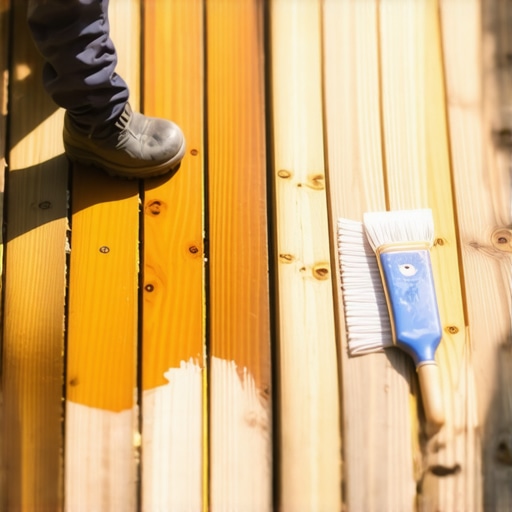
![7 2026 Pergola Designs for Under $600 [Modern]](https://lawnmajesty.com/wp-content/uploads/2026/06/7-2026-Pergola-Designs-for-Under-600-Modern.jpeg)
7 2026 Pergola Designs for Under $600 [Modern]
Engineering Your Outdoor Space: Why Budget Pergolas Fail or Flourish
A modern pergola under $600 requires a focus on structural minimalism and smart material procurement, utilizing pressure-treated lumber or raw steel combined with concealed fasteners to achieve a high-end hardscape aesthetic without the custom carpentry price tag found in luxury garden design. You do not need a five-figure budget, but you do need to understand the physics of wind loads and the chemistry of wood rot.
I recently got called out to tear up a $30,000 patio that was sinking because the previous contractor ignored the basic principles of soil mechanics. But worse than the sinking stones was the pergola they had bolted directly to the pavers. It was a $500 kit from a big-box store, and it was leaning at a five-degree angle toward the client’s kitchen window. The owner thought the kit was a deal. It wasn’t. The fasteners were zinc-plated trash that had already started to corrode, and the 4×4 posts were actually hollow shells. I had to explain that a pergola is not a piece of furniture; it is a structural element of your landscaping. If it is not anchored to a concrete footing that extends below the frost line—usually 30 to 42 inches in northern climates—it is just a very expensive pile of future debris. We ended up excavating the area, pouring proper sonotube footings, and rebuilding a custom minimalist frame that actually stood up to the 40-mph gusts we get in this corridor.
“A retaining wall doesn’t fail because of the stone; it fails because of the water trapped behind it.” – Hardscape Engineering Axiom
How deep should pergola footings be?
For a stable hardscaping project, footings should reach below the local frost line to prevent heaving. In most regions, this means a depth of 36 inches with a 12-inch diameter, filled with 3,000 PSI concrete to ensure the garden design remains level for decades.
The 7 Modern Pergola Blueprints for 2026
1. The Industrial Mono-Post
This design utilizes two heavy-duty 6×6 pressure-treated posts instead of four, creating a cantilevered effect. By focusing the budget on two high-quality structural members rather than four mediocre ones, you save on concrete and hardware. Use black bitumen paint on the buried portion of the post to prevent moisture wicking. The overhead slats should be 2x4s spaced 6 inches apart to provide a rhythmic, modern shadow line.
2. The EMT Conduit Grid
Engineers love this for the cost-to-strength ratio. Use 4×4 cedar-toned pressure-treated posts for the frame and 1-inch EMT (Electrical Metallic Tubing) for the top canopy. The silver or matte black painted conduit provides a sleek, thin-profile modern look that wood cannot match. It also resists wind shear much better than thick wooden rafters.
3. The Black-Stained Cantilever Lean-To
Bolting one side of the pergola to the house rim joist (using proper ledger flashing) cuts your post requirement in half. Use a solid-body black stain to hide the green tint of budget-friendly ACQ-treated lumber. This creates a high-end architectural look for under $400 in materials. Ensure you use 1/2-inch galvanized lag bolts for the ledger connection.
4. The Raw Steel and Cedar Hybrid
Steel square tubing is becoming more accessible. By using steel for the vertical posts and rough-sawn cedar for the rafters, you create a garden design that looks like a custom fabrication. Buy your steel from a local metal recycler to keep costs under the $600 threshold. The juxtaposition of organic wood and cold steel is the hallmark of 2026 aesthetics.
5. The Slat-Wall Privacy Box
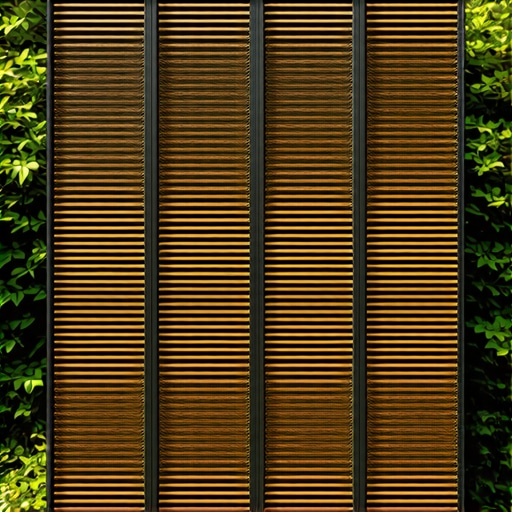
Instead of a traditional open roof, this design uses 1×2 furring strips spaced 1 inch apart on the sides and top. This creates a “cube” effect. It offers excellent sun protection and functions as a vertical lawn care element where you can hang planters. The sheer volume of thin wood creates a massive surface area, so use a high-quality oil-based sealer to prevent warping.
6. The Tension Wire Canopy
Use four 4×4 posts and 1/8-inch stainless steel aircraft cable. The cable is strung in a cross-hatch pattern across the top. This is the ultimate budget move. You get the modern structural feel without the cost of heavy 2×8 rafters. It is also perfect for training climbing vines, integrating horticulture directly into the structure.
7. The Floating Box Frame
This design uses internal corner brackets (hidden from view) to create a frame that looks like it is hovering. By avoiding traditional knee braces and using structural screws like GRK or TimberLOK, you achieve the clean lines required for a 2026 modern aesthetic. The strength comes from the fastener shear rating, not the bulk of the wood.
| Pressure Treated Pine | $250-$400 | 15 | High | Cedar (Rough Sawn) | $500-$600 | 20 | Medium | Steel/Wood Hybrid | $450-$600 | 25 | Low | EMT Conduit/Pine | $300-$450 | 12 | Medium |
“Proper soil compaction is the difference between a structure that lasts and a liability that leans.” – Civil Engineering Field Manual
How much modified gravel do I need for a patio base?
To support a pergola-integrated patio, you need 4 to 6 inches of compacted 21A or 3/4-inch modified gravel. Calculate your square footage, multiply by the depth in feet, and divide by 27 to find the cubic yardage needed for a stable hardscaping foundation.
The Master Landscaper’s Installation Checklist
- Verify underground utilities via 811 before any excavation.
- Check local HOA codes regarding maximum height restrictions for garden design structures.
- Use only G90 galvanized or stainless steel fasteners to prevent wood rot and streaking.
- Ensure a 1/8-inch per foot slope on any solid roofing components for drainage.
- Apply a copper-naphthenate solution to any cut ends of pressure-treated lumber.
- Confirm the lawn care irrigation heads are moved at least 24 inches away from posts.
Do not be fooled by the price tag. A $600 pergola built with precision engineering will outlast a $5,000 pergola built by a contractor who doesn’t understand grain orientation or fastener shear strength. You must treat the wood. You must dig deep. You must use the right screws. Anything less is just expensive compost waiting to happen. The beauty of modern design is that it favors simplicity, and simplicity, when executed with technical mastery, is remarkably affordable.
![Build a $500 Outdoor Kitchen Frame with Steel Studs [DIY]](https://lawnmajesty.com/wp-content/uploads/2026/05/Build-a-500-Outdoor-Kitchen-Frame-with-Steel-Studs-DIY.jpeg)