Why Your Retaining Wall Needs Proper Drainage Pipes Installed
The Forensic Autopsy of a $30,000 Structural Failure
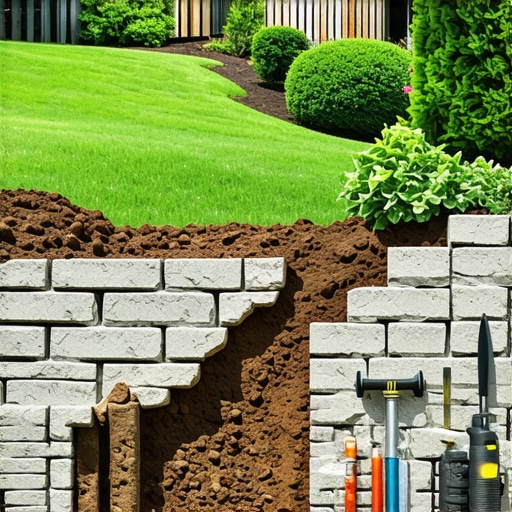
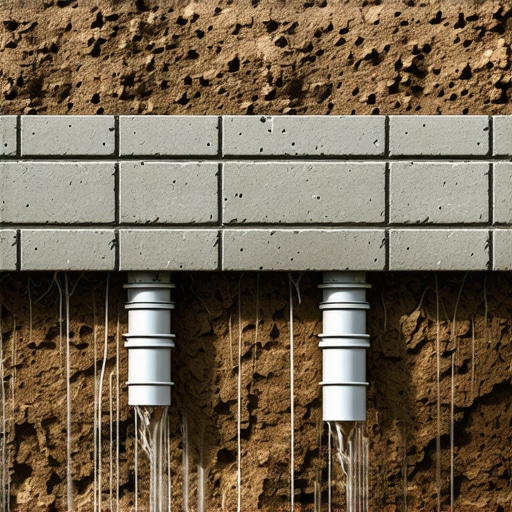
A retaining wall without perforated drainage pipes acts as a dam, trapping hydrostatic pressure that eventually pushes the structure past its angle of repose. Proper hardscaping requires a French drain system and clean 57 stone backfill to redirect water away from the structural base, preventing total wall collapse. I recently got called out to tear up a $30,000 patio that was sinking because the previous contractor thought they could skip the drainage pipe. They used solid wall units but didn’t provide a path for the groundwater. Within two years, the 6-foot wall had bowed six inches out of plumb. The hydrostatic pressure behind the wall was so intense that water was literally spraying out of the hairline cracks in the mortar. When we excavated, we found the backfill was saturated red clay instead of clean aggregate. It was a swamp. The pressure had turned the soil into a liquid-state sludge that no amount of gravity could hold back. We had to dismantle the entire structure, piece by piece, and start from the dirt. Don’t let this be your backyard. Water is the most destructive force in landscaping.
The Physics of Hydrostatic Pressure and Wall Failure
Hydrostatic pressure is the pressure exerted by a fluid at equilibrium at a given point within the fluid, due to the force of gravity. In garden design, this occurs when rainwater or groundwater collects behind a retaining wall and has nowhere to escape. Saturated soil weighs roughly 120 pounds per cubic foot. When that soil is packed against a wall without drainage, the lateral load triples. It is not a matter of if the wall will fail, but when.
“A retaining wall doesn’t fail because of the stone; it fails because of the water trapped behind it.” – Hardscape Engineering Axiom
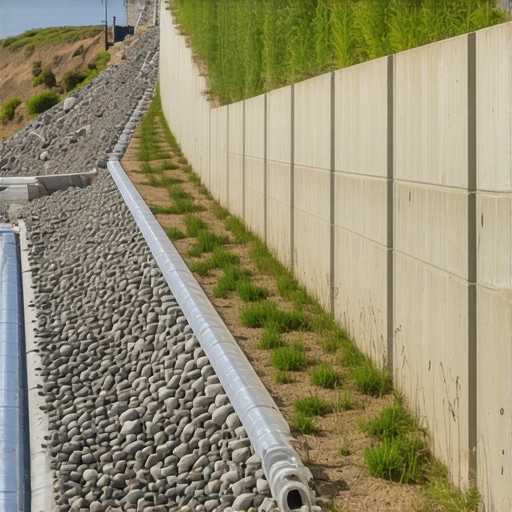
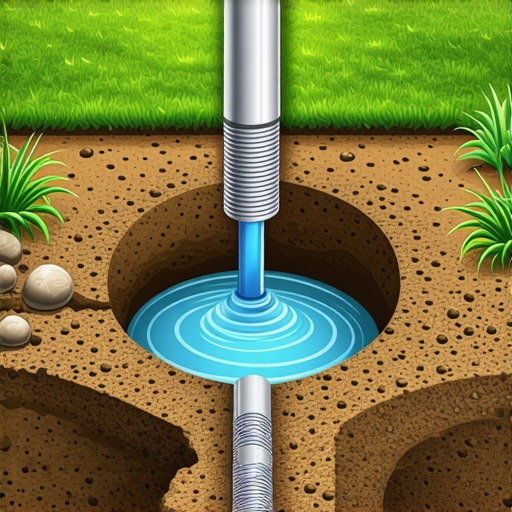
The wall must be designed to withstand the weight of the soil plus the weight of any water. By installing a perforated pipe, also known as a drain tile, you create a path of least resistance. The water enters the pipe and is carried away through daylighting or a dry well, keeping the backfill dry and the load manageable.
Why is my retaining wall leaning forward?
A leaning wall is the primary symptom of soil saturation and base-layer compaction failure. If the soil behind the wall is heavy with water, it exerts outward pressure that exceeds the wall’s structural capacity. This causes the units to tilt or “tip” at the top. You must fix the drainage immediately or the entire structure will tumble.
“Hydrostatic pressure can increase the lateral load on a wall by more than 100% when soil becomes fully saturated.” – NCMA Design Manual for Segmental Retaining Walls
The Anatomy of a High-Performance Drainage System
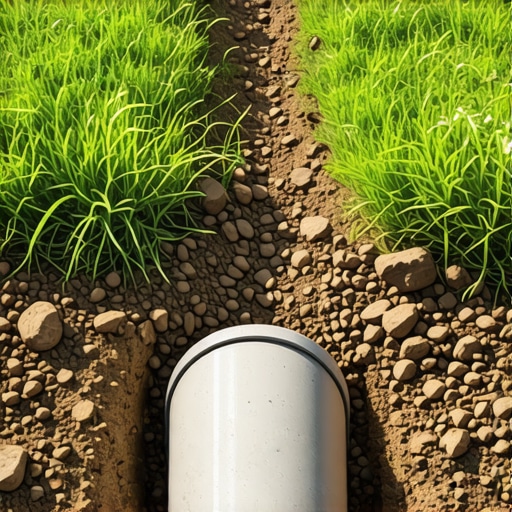
Effective drainage is an ecosystem of components working in tandem. It starts with the 4-inch perforated SDR-35 pipe. This pipe should be placed at the bottom of the wall, slightly above the footer level, but below the grade of the first course of stone. It must be pitched at a minimum of 1% slope to ensure gravity does its job. Surrounding this pipe is the “chimney” of clean #57 stone. This aggregate has no “fines” (dust or small particles), which allows water to flow through the gaps between the rocks at high velocity. To keep the surrounding soil from migrating into this gravel and clogging the system, you must wrap the gravel in a non-woven geotextile filter fabric. This fabric acts as a sieve, letting water through while holding back the silt. Without this fabric, your $200 worth of gravel will become $0 worth of mud in three seasons. It will fail.
How much modified gravel do I need for a patio base?
For a standard hardscaping project, you need a minimum of 6 inches of Dense Grade Aggregate (DGA) for the base, compacted in 2-inch lifts. For the retaining wall drainage zone, you need at least 12 inches of clean #57 stone measured from the back of the wall into the bank. Anything less is a gamble.
| Material Type | Drainage Rating | Structural Stability | Recommended Use Case |
|---|---|---|---|
| Clean #57 Stone | Excellent | High | Retaining wall backfill and drainage chimney. |
| Dense Grade Aggregate (DGA) | Poor | Maximum | Base foundation for pavers and wall footings. |
| Sand | Moderate | Low | Leveling layer for pavers only; never for walls. |
| Native Clay Soil | Zero | Low | General fill; keep away from structural components. |
Step-by-Step Drainage Installation Checklist
Success in lawn care and landscaping projects is found in the details. Follow this checklist to ensure your wall lasts 50 years instead of 5.
- Excavation: Dig out the bank at least 12-24 inches wider than the wall blocks to allow for the gravel chimney.
- Pipe Placement: Lay the perforated pipe with the holes facing DOWN. Placing them up allows the pipe to fill with silt before it can move water.
- Filter Fabric: Line the entire trench with non-woven fabric, leaving enough to wrap over the top of the gravel.
- Backfill: Fill the zone behind the wall with clean stone. Tamp every 4-inch layer to ensure no settling occurs later.
- Outlet: Ensure the pipe “daylights” (exits) to a lower point in the yard or connects to a storm drain. Use a rodent screen at the exit.
The Dangers of the “Mow-and-Blow” Contractor
Cheap contractors will tell you that the gaps between the stones are enough for drainage. They are wrong. These gaps, or “weep holes,” are only effective if there is a clear path for water to reach them. If they backfill with native soil, the soil will simply plug those gaps. This leads to efflorescence—that white, salty staining on the face of your stone—and eventually, structural rot. In cold climates, trapped water will freeze and expand, a process called frost heave. This expansion can snap 8-inch thick concrete blocks like crackers. Proper drainage prevents the water from being there to freeze in the first place. It is the only way to protect your investment. Spend the money on the pipe and the gravel now, or spend three times that amount to rebuild it in five years. Your choice.