Installing a Hidden Trash Can Enclosure
The Hardscape Autopsy: Why Most Trash Enclosures Fail
I recently got called out to tear up a $30,000 patio that was sinking because the previous contractor thought they could just ‘wing it’ on the trash enclosure pad. They didn’t account for the 250-pound point load of two 96-gallon bins sitting on a saturated 1-inch sand bed. The result was a cracked, heaving mess that acted like a bowl, collecting stagnant water and rotting the homeowner’s siding. It was a textbook case of ignoring the basics of soil compaction and hydrostatic pressure. If you don’t treat this small square of your garden design like a structural foundation, you’re just throwing money into a hole. It’s not just a fence; it’s a drainage management system.
What is the best way to build a trash can enclosure?
A high-performance trash can enclosure requires a 6-inch compacted base of modified gravel, proper drainage grading, and durable hardscape materials that resist rot and shifting. You must account for hydrostatic pressure and provide a stable, level surface for heavy rolling bins to prevent structural failure or soil erosion.
Why Engineering Beats Aesthetics Every Time
Most landscaping companies sell you on the ‘look’ of a screen. I sell you on the subgrade preparation. If the dirt underneath isn’t right, the prettiest cedar or composite will lean and warp within two seasons. We use a vibratory plate compactor to hit 95 percent Standard Proctor Density. This isn’t optional. When you wheel a full bin of wet grass clippings across that surface, it shouldn’t flex. Any movement in the base translates to stress on the joints of your enclosure. Don’t skip the geotextile fabric. It keeps your expensive stone from migrating into the clay subsoil. This is physics, not gardening.
“Standard compaction for residential pedestrian traffic requires a minimum of 95% Standard Proctor Density to ensure long-term stability of the paver units.” – ICPI Tech Spec #2
The Physics of Drainage and Grading
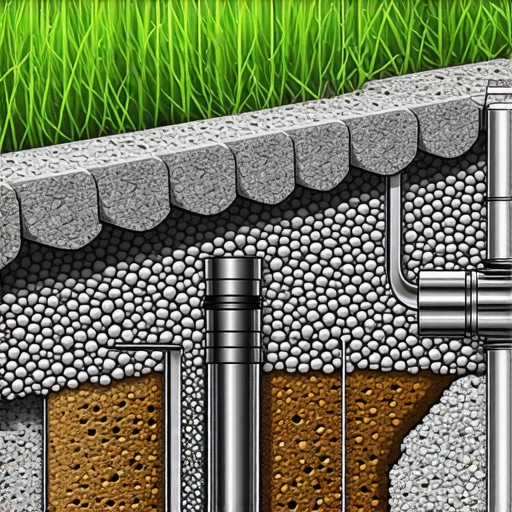
Water is the enemy of every hardscaping project. Your enclosure pad must have a 2 percent slope (roughly 1/4 inch per foot) away from your home’s foundation. If you build it flat, you’re creating a petri dish for mold and mosquitoes. In areas with heavy clay, I often install a small French drain or a 4-inch perforated pipe wrapped in a silt sock. This allows water trapped behind the enclosure to move freely instead of building up pressure. Heavy bins on wet soil create deep ruts. We call this soil displacement. A proper gravel base prevents it. It’s that simple.
| Material Choice | Compaction Rating | Permeability | Estimated Lifespan |
|---|---|---|---|
| Modified 21A Gravel | Excellent | Low | 25+ Years |
| Open-Graded Stone (#57) | Good | High | 20 Years |
| Poured Concrete | Maximum | Zero | 30+ Years |
| Plastic Ground Grids | Moderate | Maximum | 10 Years |
How deep should a trash enclosure base be?
For a standard residential trash can enclosure, you need to excavate at least 8 to 10 inches deep. This allows for 6 inches of compacted 21A modified stone, 1 inch of bedding sand, and 2-to-3-inch thick paver units. If you are in a freeze-thaw climate, you might need to go deeper to avoid frost heave. Never lay pavers directly on topsoil. It will rot. Topsoil contains organic matter that decomposes and shrinks. You need inorganic mineral soil for a stable build.
Material Selection: Beyond the Big-Box Store
Avoid the cheap pressure-treated lattice from the local hardware store. It’s too thin and will look like a potato chip after one summer. For garden design that lasts, use 5/4-inch Western Red Cedar or Ipe. If you want zero maintenance, look at heavy-gauge aluminum or high-density polyethylene (HDPE) composites. These materials withstand the high humidity and acidic runoff common around trash bins. Remember, trash juice is corrosive. It eats through cheap fasteners. Use stainless steel or hot-dipped galvanized screws. Don’t cut corners on the hardware.
“A retaining wall doesn’t fail because of the stone; it fails because of the water trapped behind it.” – Hardscape Engineering Axiom
What is the best material for hiding outdoor bins?
The best material for a hidden trash can enclosure is a combination of masonry walls or composite panels on a metal frame. These materials offer the highest resistance to moisture, pests, and the physical impact of heavy bins. Wood is common but requires significant maintenance in landscaping applications due to soil contact and moisture trapping. Ensure your design allows for 360-degree airflow to prevent odors and wood rot.
- Call 811: Before you dig 10 inches down, make sure you aren’t hitting a gas line or fiber optic cable.
- Grade the Subline: Slope the dirt before you ever add stone.
- Use Geotextile: Lay down a non-woven fabric to separate soil from gravel.
- Compact in Lifts: Add 2 inches of stone, compact it, and repeat. Do not do it all at once.
- Edge Restraints: Use spiked plastic or concrete edging to keep pavers from ‘creeping’ outward.
The Biological Factor: Planting Around the Enclosure
If you’re integrating the enclosure into your lawn care routine, watch your root zones. Digging a deep foundation near an established oak or maple can cause root girdling or significant stress. I suggest staying outside the drip-line of major trees. For screening plants, use non-invasive species like ‘Green Giant’ Arborvitae or ‘Steeds’ Holly. Stay away from invasive bamboo. It will eventually crack your foundation. Use native plants that thrive in your local USDA hardiness zone. They require less supplemental irrigation, which keeps the area drier and more stable.
The Mechanical Reality of Roll-Outs
You need a ‘flush’ transition between the pad and the driveway or lawn. If there’s a 1-inch lip, that’s a trip hazard and a physical barrier every time you move the bins. We often use a beveled header stone to create a smooth ramp. Think about the turn radius. You need at least 36 inches of clearance to maneuver a standard bin without scraping your knuckles on the enclosure walls. Space is a luxury; don’t build it too tight. If you have to fight the enclosure every week, you’ve failed the design phase. It must be effortless.
![Fixing 2026 Clogged French Drains [No Digging]](https://lawnmajesty.com/wp-content/uploads/2026/07/Fixing-2026-Clogged-French-Drains-No-Digging.jpeg)