![3 Fertilizer Rules to Stop 2026 Summer Lawn Burn [Tested]](https://lawnmajesty.com/wp-content/uploads/2026/05/3-Fertilizer-Rules-to-Stop-2026-Summer-Lawn-Burn-Tested.jpeg)
3 Fertilizer Rules to Stop 2026 Summer Lawn Burn [Tested]
The Forensic Autopsy: A $15,000 Chemical Fatality
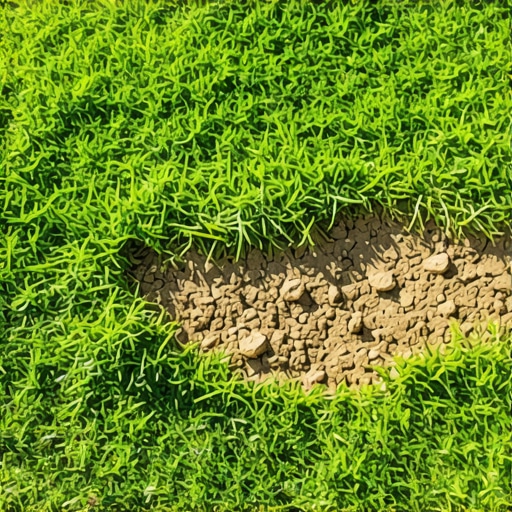
I recently walked onto a residential site in early July that looked like a scorched-earth tactical exercise. The homeowner, a well-meaning DIYer, had spent the previous autumn and spring installing over $15,000 worth of premium turf-type tall fescue sod. By mid-summer, it was a blue-gray, crispy wasteland. The cause? A generic 10-10-10 fertilizer applied at noon in 95-degree heat. The salt index in that bag was so high it triggered massive osmotic stress, literally sucking the moisture out of the root zone and into the soil. I could smell the ammonia gas. The grass wasn’t just dead; it was chemically mummified. Most contractors would tell you to water more. I told him to grab a shovel. We had to excavate the top two inches of salt-saturated soil before we could even think about a recovery plan. This wasn’t a gardening mistake; it was a failure of soil chemistry. It will rot if you don’t understand the nitrogen cycle. Don’t skip the science.
Rule 1: Prioritize Low-Salt Index and Slow-Release Nitrogen
To prevent summer lawn burn, you must use slow-release nitrogen sources with a low salt index like sulfur-coated urea or methylene urea. These materials release nutrients based on microbial activity and temperature, preventing the osmotic shock that desiccates root tissues during 2026 heat waves. When you dump quick-release urea on a lawn in June, you are essentially applying a layer of salt. In high heat, the grass plant’s transpiration rate cannot keep up with the chemical demand. This leads to leaf tip burn and root desiccation. The salt index of your fertilizer is a measurement of the increase in osmotic pressure of the soil solution. High-index fertilizers like ammonium sulfate (index 3.25 per unit of N) are dangerous in the summer. Use polymer-coated products instead. They have a physical barrier. The nitrogen only escapes when the coating breaks down. This prevents the ‘spike and crash’ growth cycle that weakens the plant’s cell walls. Stronger cell walls mean better heat resistance. It is that simple.
“A lawn does not need a massive surge of nitrogen during the heat of summer; it needs structural support through potassium and controlled, slow-release nitrogen that does not disrupt the soil’s osmotic balance.” – Agronomy Manual for Professional Turf Managers
How do I fix fertilizer burn on my lawn?
If you see yellowing or brown streaks following a fertilizer application, the first step is heavy irrigation to leach the excess salts below the root zone. Apply at least 1 inch of water immediately, followed by daily 0.5-inch sessions for a week. Do not apply more nitrogen for at least 45 days. You need to flush the salt. If the crowns of the grass are still white or light green, it may recover. If they are brown and brittle, the plant is dead. Remove the dead thatch to prevent fungal pathogens from moving in.
Rule 2: Implement the 1-Pound Rule and Calibrate Your Spreader
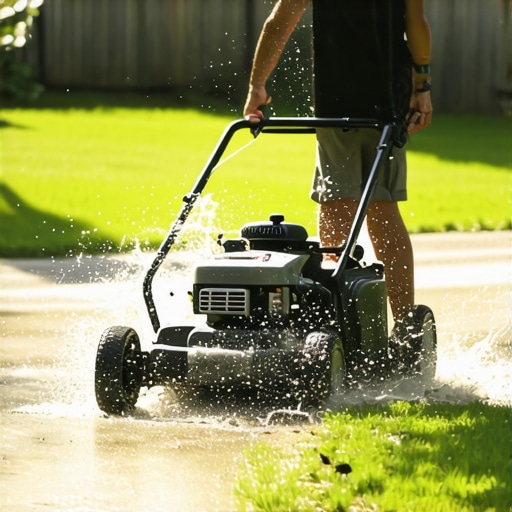
To avoid chemical burning, never apply more than 0.75 to 1 pound of actual nitrogen per 1,000 square feet in a single summer application. You must calibrate your spreader using a catch-pan test to ensure even distribution, as overlapping passes create high-concentration ‘burn zones’ that kill turf instantly. Most DIYers look at the bag and guess. That is how you kill a lawn. You need to know your square footage exactly. Not a ‘rough estimate.’ If you have 5,000 square feet, and your bag covers 10,000, you should have exactly half a bag left. If you don’t, you’ve over-applied. Spreader calibration is not optional. I’ve seen $400 drop spreaders that were 20% off out of the box. Use a digital scale to weigh your product. Set your spreader to a low setting and make two passes at right angles. This ensures even coverage. It prevents the ‘tiger stripe’ burn pattern. Precision is the difference between a professional result and a dead yard. Don’t guess. Measure.
| Fertilizer Type | Salt Index (Per Unit N) | Release Profile | 2026 Burn Risk |
|---|---|---|---|
| Ammonium Nitrate | 3.0 | Immediate | Critical |
| Urea (Uncoated) | 1.6 | Fast (48-72 hrs) | High |
| Sulfur-Coated Urea | 0.4 | Slow (6-10 weeks) | Low |
| Organic/Biosolids | 0.1 | Very Slow (Microbial) | Negligible |
Rule 3: Respect the 85-Degree Thermal Ceiling
The final rule for 2026 lawn care is to cease all fertilization once soil temperatures exceed 75 degrees Fahrenheit or ambient air temperatures consistently hit 85 degrees. At these temperatures, cool-season grasses like Kentucky Bluegrass and Fescue enter semi-dormancy, and adding nitrogen forces metabolic activity the plant cannot sustain under heat stress. When a plant is in heat-preservation mode, it shuts down its stomata. If you force-feed it nitrogen, you force it to produce new, tender growth. This growth is watery and thin-walled. The sun will cook it in hours. You are effectively forcing a marathon runner to sprint while they have heatstroke. It is a death sentence. Instead, focus on soil health. Apply humic acid or seaweed extracts. These are not fertilizers. They are bio-stimulants. They help the plant handle the stress without forcing growth. Wait for the break in the weather. Patience wins in this industry. Every single time.
“Fertilizing cool-season turfgrasses during periods of high temperature and drought stress can lead to severe physiological decline and increased susceptibility to Pythium blight.” – Penn State Extension: Turfgrass Management
What is the best fertilizer for 90-degree weather?
The best fertilizer for 90-degree weather is no fertilizer at all, or a strictly organic, non-burning liquid kelp supplement. If you must apply nutrients, choose a product with zero nitrogen and high potassium (K) to help the plant manage water pressure within its cells. Potassium strengthens the cell walls. It acts like an electrolyte for the grass. Nitrogen is the engine; potassium is the radiator. In 90-degree heat, you don’t need a bigger engine. You need a better radiator.
Pre-Application Checklist for Summer 2026
- Confirm soil temperature is below 75°F using a probe.
- Calibrate rotary spreader using the 100-sq-ft test method.
- Check the 48-hour forecast for ‘heat domes’ or extreme UV spikes.
- Ensure irrigation system is functional for the post-application ‘wash-in’ phase.
- Test soil pH; nitrogen uptake is inefficient if pH is below 6.0 or above 7.2.