![Build a $250 Gravel Shed Base [2026 No-Slab Fix]](https://lawnmajesty.com/wp-content/uploads/2026/05/Build-a-250-Gravel-Shed-Base-2026-No-Slab-Fix.jpeg)
Build a $250 Gravel Shed Base [2026 No-Slab Fix]
Why a Gravel Base Outperforms Concrete for Sheds
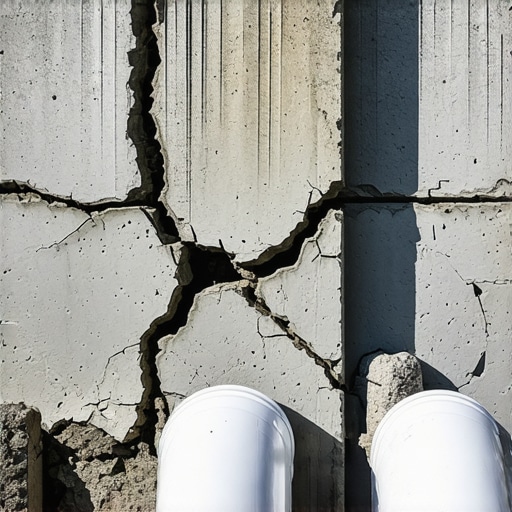
A gravel shed base provides superior drainage and freeze-thaw resilience compared to concrete by allowing water to permeate the sub-grade rather than trapping it. This no-slab fix utilizes compacted #57 stone or 3/4-inch crusher run to create a stable, non-shifting foundation for under $250. I have been fixing failed foundations for two decades. Most people think a concrete slab is the gold standard. They are wrong. Concrete is brittle, expensive, and traps moisture against your shed’s floor joists. A gravel pad, when engineered correctly, is a permanent civil engineering solution for a fraction of the cost.
The Hardscape Autopsy: A Lesson in Base Failure
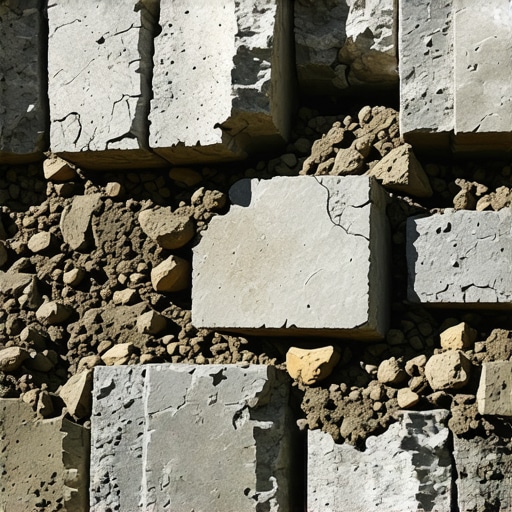
I recently got called out to tear up a $30,000 patio and shed complex that was sinking because the previous contractor used ‘dirt’ as a leveling agent. Within three years, the hydrostatic pressure from trapped groundwater turned the sub-base into a slurry. The shed started leaning at a six-degree angle, and the doors wouldn’t even latch. This is what happens when you ignore the physics of drainage. If you don’t excavate the organic material—the grass, the roots, the topsoil—you are building on a sponge. I told the homeowner the truth: those pavers were high-end, but the ground they sat on was cheap. We had to rip it all out. Don’t let this be your weekend project. Do it right the first time.
“A retaining wall doesn’t fail because of the stone; it fails because of the water trapped behind it.” – Hardscape Engineering Axiom
The Science of Soil Compaction and Drainage
Most DIYers treat gravel like decorative mulch. It is not. In hardscaping, gravel is a structural element. To build a shed base for $250, you must understand the Proctor compaction test principles. We are looking for maximum density. When you pour 3/4-inch modified stone (crusher run), the varying sizes of rock lock together. The ‘fines’ fill the voids between the larger stones, creating a surface that is nearly as hard as concrete but still allows water to migrate through. This prevents the ‘heaving’ that happens in cold climates when water freezes and expands under a solid slab. If your soil is heavy clay, you need more than just a thin layer of rock. You need a transition zone.
How much modified gravel do I need for a shed base?
To calculate your material, multiply the length by the width by the depth (usually 4 to 6 inches) and divide by 27 to get cubic yards. A standard 10×12 shed requires approximately 2.5 tons of #57 limestone or crusher run. At current 2026 pricing, this should cost between $120 and $160 if you haul it yourself from a local quarry. Spend the remaining $90 on 4×4 pressure-treated timbers for the perimeter frame and a roll of heavy-duty non-woven geotextile fabric. Do not use the thin, plastic-y weed barrier from big-box stores. It will tear. Use professional-grade fabric that allows water through but keeps the stone from sinking into the mud.
Material Comparison: Choosing Your Base
| Material Type | Cost per Ton | Compaction Rating | Drainage Ability |
|---|---|---|---|
| #57 Clean Stone | $45 – $60 | Medium | High (Excellent) |
| 3/4″ Crusher Run | $35 – $50 | High (Best) | Medium |
| Pea Gravel | $50 – $70 | Zero | High (Avoid) |
| Stone Dust | $30 – $45 | Very High | Very Low |
Notice that pea gravel has a zero compaction rating. I hate pea gravel for foundations. It is effectively a giant pit of ball bearings. Your shed will never sit still on it. Stick to angular, crushed stone that ‘bites’ into itself. This creates the friction needed to support a heavy structure without shifting over time.
The Step-By-Step Installation Protocol
Follow this checklist exactly. If you skip a step, the physics of the earth will win. I’ve seen it happen a thousand times.
- Mark and Clear: Stake out an area 12 inches wider than your shed on all sides. Dig out 4-6 inches of topsoil until you hit ‘virgin’ sub-soil.
- Level the Sub-Grade: Use a transit level or a long straight-edge. If the dirt isn’t level, the gravel won’t magically fix it.
- Install Geotextile: Lay the fabric across the entire pit. This is your insurance policy against the gravel disappearing into the clay.
- Build the Perimeter: Use 4×4 or 6×6 ground-contact rated timbers. Spike them into the ground with 18-inch rebar.
- Fill in Lifts: Never dump 6 inches of stone at once. Pour 2 inches, rake it level, and use a plate compactor. Repeat.
- The Bounce Test: When you are finished, the plate compactor should literally bounce off the surface. If it feels soft, keep tamping.
“Soil moisture content is the single most critical factor in achieving maximum dry density during compaction.” – Penn State Agricultural Extension
How do I level a shed on a slope without concrete?
If your yard has a significant grade, you must build a ‘step-down’ timber frame. Dig into the high side of the slope and build up the low side with a double-stacked timber wall. Never just pile dirt on the low side to level it; the weight of the shed will compress that loose dirt and your shed will tilt. Always build the frame on the excavated sub-soil. This ensures the hydrostatic pressure doesn’t blow out your timber walls during a heavy rainstorm. If the slope is greater than 10 degrees, you should consider a French drain system on the uphill side to divert runoff away from the base.
Avoid the ‘Mulch Volcano’ and Water Traps
One of the biggest mistakes I see is homeowners bringing their garden mulch right up to the edge of the shed base. This traps moisture against the wood. Keep a 6-inch border of clean stone around the shed’s perimeter. This allows the wood to breathe and prevents rot. Also, ensure your shed has a drip edge on the roof. If water falls directly onto the gravel base, it can eventually erode even the best-compacted stone. A little bit of engineering goes a long way. This isn’t just a place to park a lawnmower; it’s a structural installation that needs to last thirty years. Use 1-inch clean stone for the top dressing if you want a cleaner look, but the core must be modified stone. Don’t skip this. It will rot if you don’t maintain the airflow.